Article
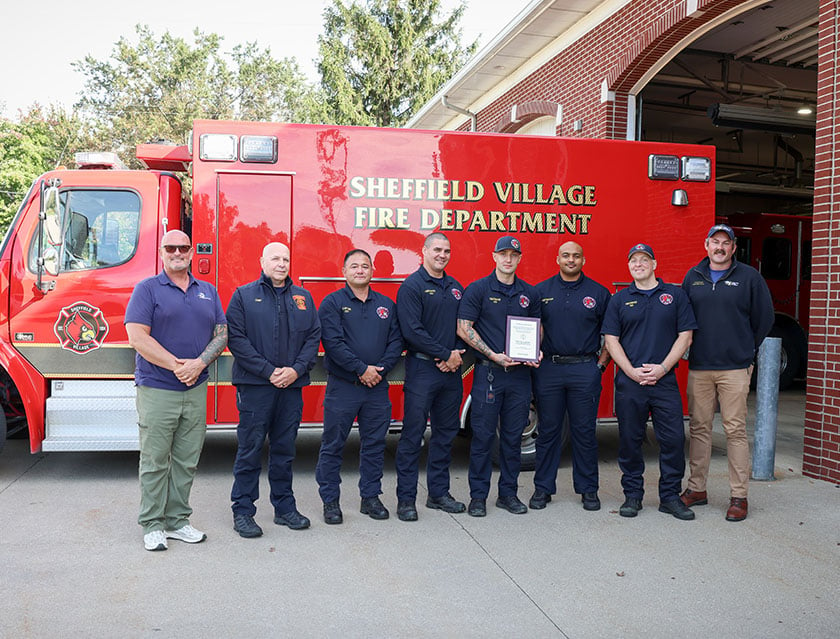
Training Pays Off During Rare Airway Emergency
When every second counts, training helps care teams stay calm and act fast. See how quick thinking made a lifesaving difference.
Our new Outpatient Health Center is now open!
When every second counts, training helps care teams stay calm and act fast. See how quick thinking made a lifesaving difference.
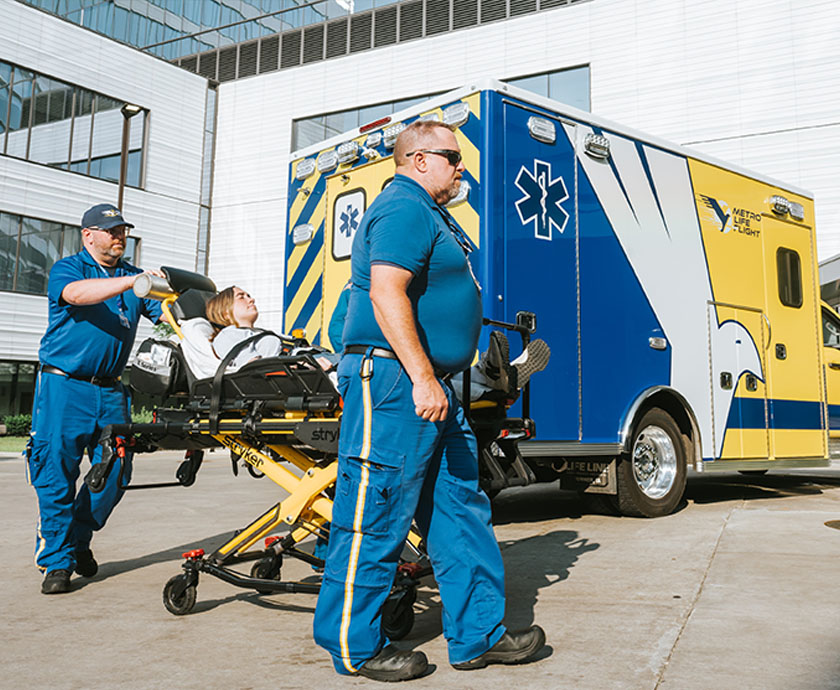
Learn how EMS can spot early signs of rapid decline in a critically sick or injured child—even before vital signs become alarming.
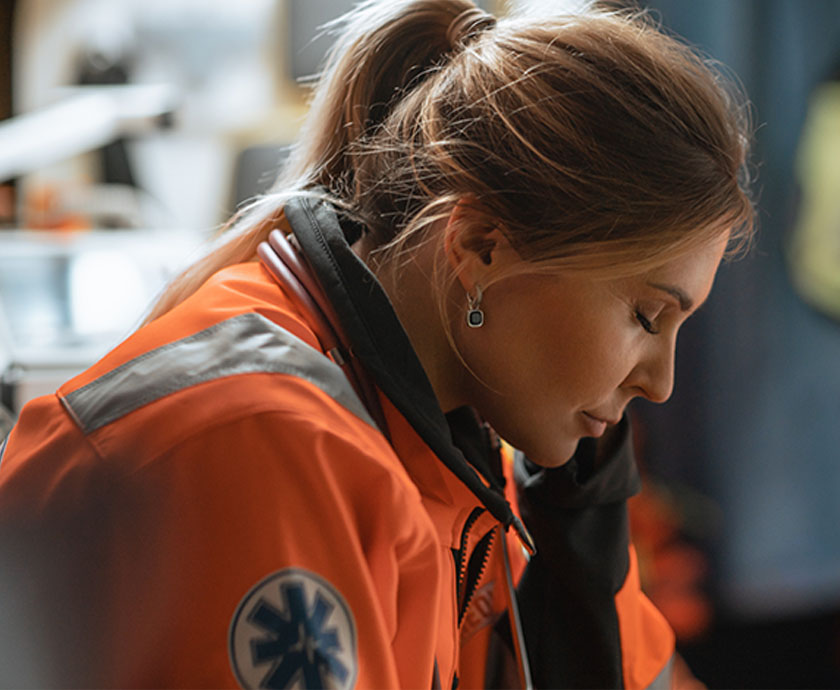
Learn how first responders can recognize cumulative stress after pediatric calls, build support systems and use healthy coping strategies.
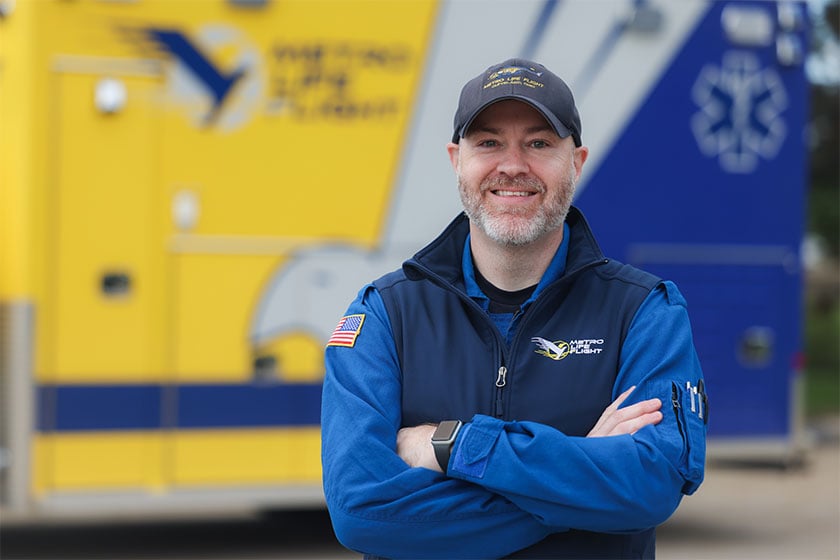
Learn how pediatric emergency care coordinators help EMS agencies strengthen readiness through training, equipment checks and practical planning.
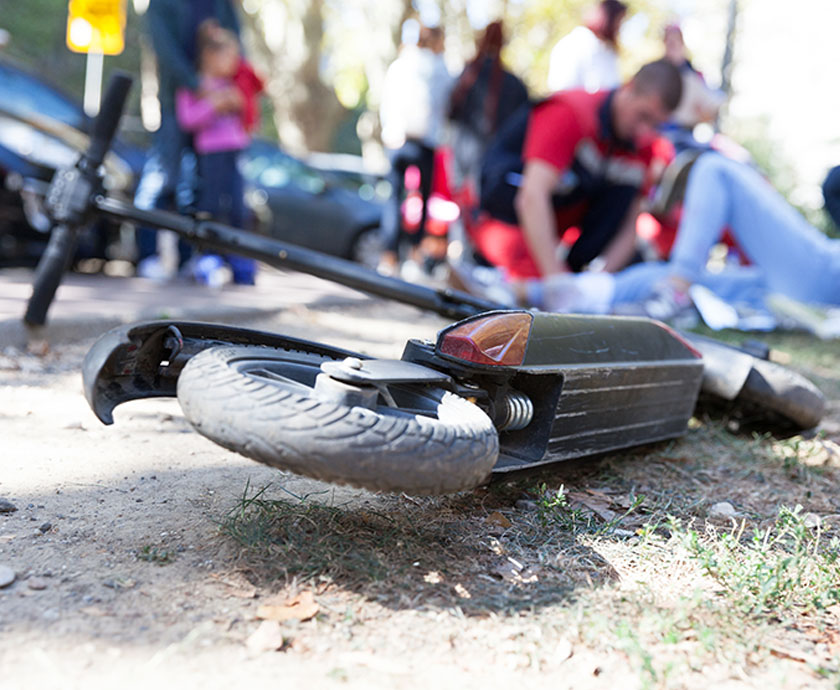
Learn how EMS can size up pediatric e-bike crashes, recognize high-risk mechanisms, activate resources early and include caregivers in care.
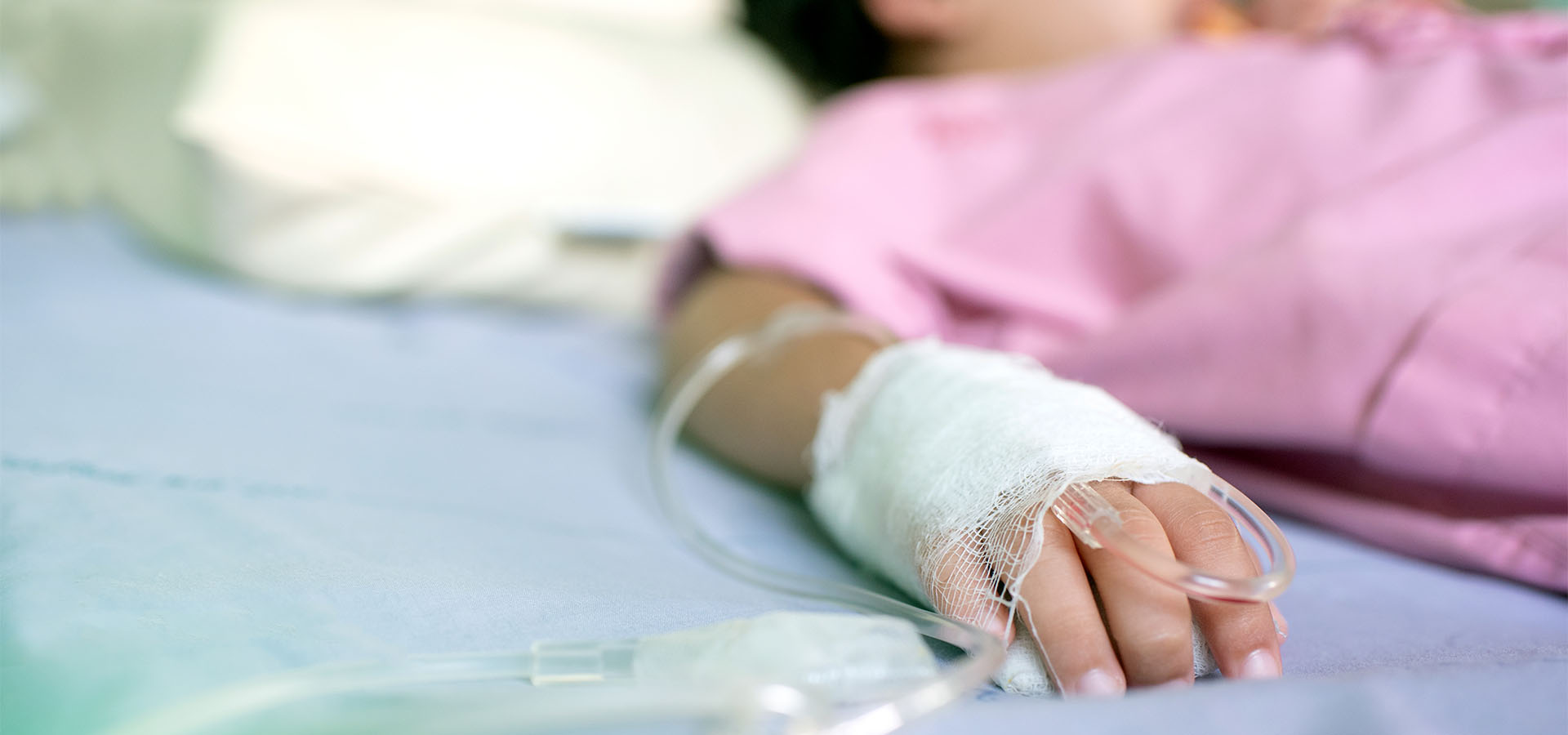
Learn how EMS professionals can spot signs of non-accidental burn injuries, document findings, and respond appropriately to suspected abuse cases in the field.

Learn how EMS and fire responders can safely size up fireworks scenes, identify hidden hazards, and manage risks during incidents.
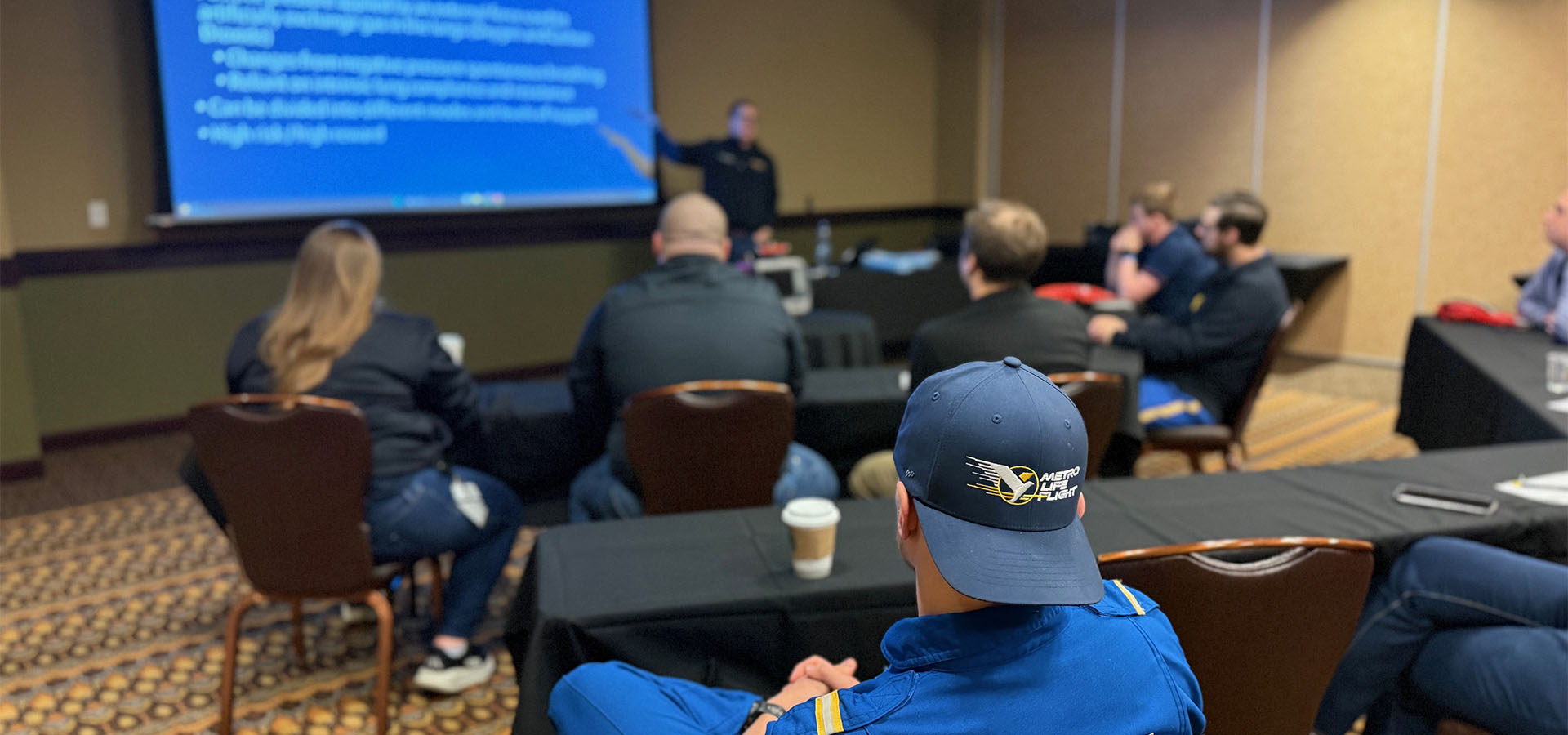
Learn how peer support programs help first responders manage stress after high-acuity calls, build resilience, and protect mental health in EMS and fire services.
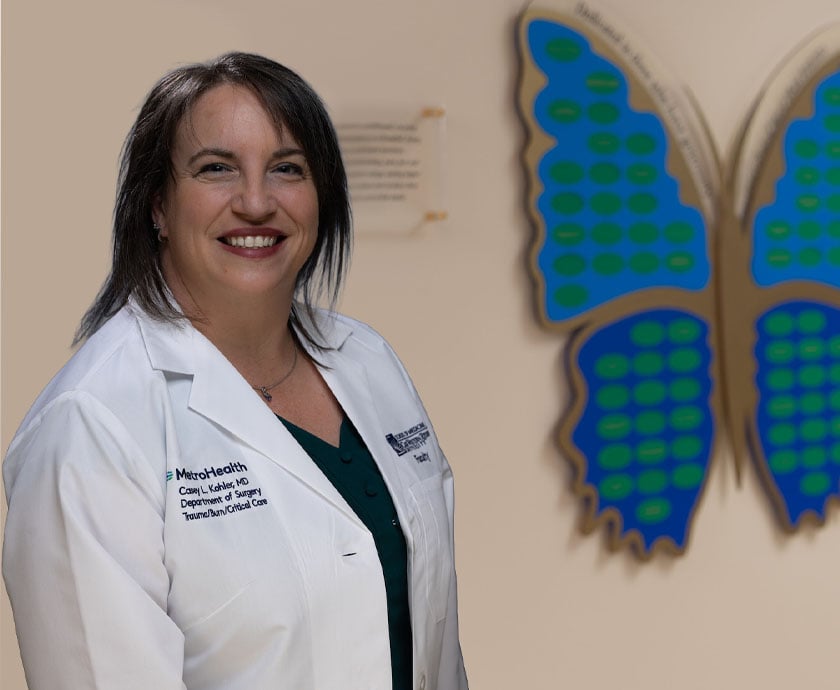
Meet Casey Kohler, a MetroHealth trauma surgeon, and learn how her EMT experience shaped her path to burn care and patient-focused trauma treatment.
Burn care myths EMS providers must know—fluid rates, cooling risks, IV access, and when to transport patients directly to a burn center.