Pediatric Calls Hit Different: Caring for Kids and Yourself
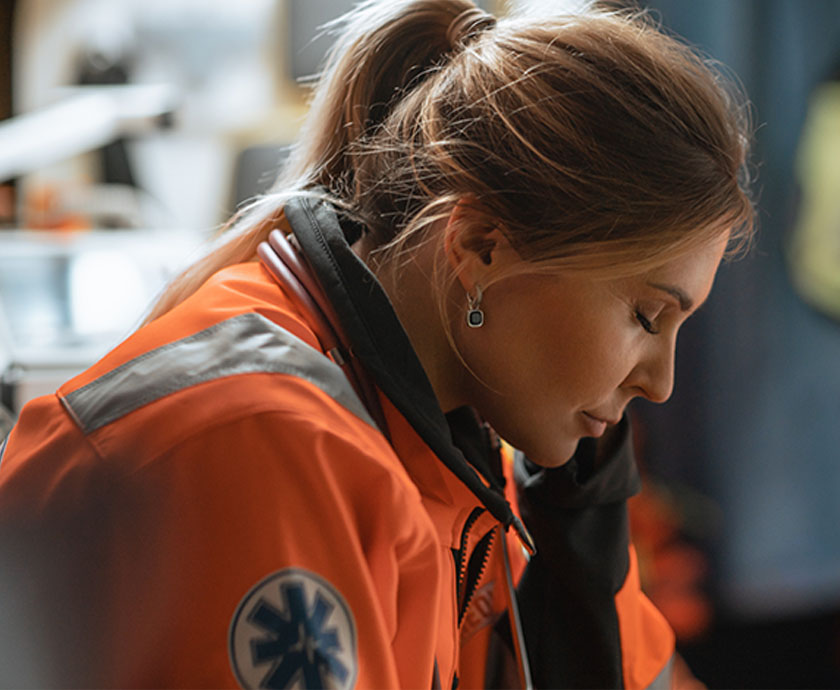
Learn how first responders can recognize cumulative stress after pediatric calls, build support systems and use healthy coping strategies.
FieldBrief Issue 3
Pediatric emergencies can affect first responders differently than adult emergencies, especially when the child or family reminds you of people in your own life. Though you may need to set those feelings aside to focus on the patient, it’s important to come back to them later.
Sarah Benuska, PhD, a psychologist at MetroHealth shares some ways to deal with difficult experiences.
The Call Starts Before You Arrive
For many EMS clinicians, the stress of a pediatric call begins the moment it comes through dispatch. The heart rate goes up. Focus sharpens. You default to protocol. The personal expectation to perform well is elevated, because this is a child.
Positive outcomes don’t always mean the call wasn’t difficult. Even when a child survives, there may still be grief, sadness or troubling images to process. When the outcome isn’t good, the same response continues, plus a new layer of self-questioning. Did I function at my best? Did I do everything within my scope? Did I give this child the best chance?
Those questions are normal. What matters is what you do with them.
Know When Stress Starts to Add Up
Cumulative stress can show up in ways that are easy to dismiss. Watch for changes like:
- Difficulty connecting with patients or people you care about
- Emotional exhaustion
- Finding less satisfaction or meaning in your work
- Increasing cynicism that outweighs your ability to connect
- The feeling that everyday tasks are suddenly harder
- Unwanted memories or dreams about a call
Don’t Force Yourself to Process a Certain Way
Become aware of what helps you after a difficult pediatric call and build several sources of support. That might include your partner, crew, supervisor, friends or family.
Healthy coping often means intentionally making room for both the difficult experience and something restorative. You might go for a run and allow yourself time to think about the call, then spend time with a friend.
Pay Attention to Avoidance
Taking space can be healthy. But consistently avoiding thoughts, feelings, places or conversations because they feel impossible to tolerate can signal you may need additional support.
Employee assistance programs can be a starting point. For persistent post-traumatic stress symptoms, consider a behavioral health professional with specific training in trauma.
Social Support Works Both Ways
Peer support isn’t just about knowing when you need help. It’s also about noticing when someone around you might be struggling. Watch for colleagues who seem more cynical than usual, less empathetic or more withdrawn. Let them know you’re there for them.
When you do reach out, be careful about imposing your own approach to coping. People process experiences differently, and that’s okay. What matters most is that your colleague knows they have a listening ear and a resource in you.
If a colleague's distress seems persistent, or if avoidance, cynicism or emotional withdrawal are getting worse rather than better, gently encourage them toward professional support.
Make a Check-in Post Case Part of the Response
Support can start before crews leave the station.
Prerna Ladha, MD, pediatric trauma medical director at MetroHealth, says her team pauses after especially difficult pediatric trauma cases to acknowledge what happened, recognize the team’s work and talk through the outcome.
It doesn’t have to be a formal conversation. Spending time together as a crew gives space for whoever needs to talk to do so. Everyone’s perspective on a call is unique and valid and listening matters as much as speaking.
“Sometimes there’s nothing to say,” Dr. Ladha says. “But taking a moment to acknowledge the hard work and thank a colleague for doing a good job helps.”
More Peer Support Teams are Coming
Emergency Medical Services at MetroHealth is currently working to build an internal peer support team, which will be operational by the end of the year.
No one can predict how a high-acuity call will affect them. That’s why MetroHealth is expanding peer support resources and training opportunities across the region. Having a safe place to talk with colleagues who understand the job can make all the difference.
Get Peer Support Now
The Westshore CIRS (Critical Incident Response Service) is available to assist and support first responders after a high-acuity call. Call 440-333-1237.
Key Takeaways
- Recognize that stress can start before a pediatric call even begins.
- Monitor your well-being after difficult calls.
- Use healthy coping strategies that work for you.
- Lean on and support your team.
- Make recovery part of pediatric readiness.
Featured Medical Providers
To claim EMS Continuing Education for this edition of FieldBrief, complete a brief survey.
MetroHealth Medical Center is a State of Ohio Approved Continuing Education Site #1202