Pediatric Readiness Starts Before the Call

Learn how pediatric emergency care coordinators help EMS agencies strengthen readiness through training, equipment checks and practical planning.
FieldBrief Issue 3
Pediatric emergencies may represent a small share of your call volume, but the expectation remains the same: Arrive prepared to provide high-quality pediatric care. Christopher Blake, RN, BSN, CFRN, NRP, FESI-II, flight nurse specialist and MetroHealth’s new Pediatric Emergency Care Coordinator, explains how agencies can build readiness before the tones drop.
Q: What is a pediatric emergency care coordinator?
Blake: A pediatric emergency care coordinator, or PECC, makes sure pediatric patients are considered in an agency’s education, protocols, policies and equipment—not only when a pediatric call happens.
EMS clinicians regularly manage adult patients, but they may go long periods without treating a critically ill or injured child. A PECC helps agencies maintain readiness despite that limited exposure.
Q: What will you do in this new role at MetroHealth?
Blake: The work will roll out in phases:
- I’m starting within MetroHealth by collaborating with our physician and nurse PECCs and Emergency Department leaders. We want to strengthen pediatric readiness internally so that when EMS brings us a child, we can continue high-quality care.
- The next phase will extend to EMS agencies under MetroHealth’s medical direction. We hope to identify or establish a PECC within each agency. That person can serve as the agency’s pediatric champion and work directly with our EMS outreach team.
- We’ll help agencies complete a prehospital pediatric readiness assessment, identify gaps and develop an improvement plan. Education will be a major part of the work, including in-person training, recorded learning opportunities and support for MetroHealth EMS coordinators who provide education in the field.
Q: Where do you see the biggest gaps in pediatric readiness?
Blake: Confidence is one of the biggest. Clinicians don’t manage pediatric patients often, so there can be uncertainty about what to do.
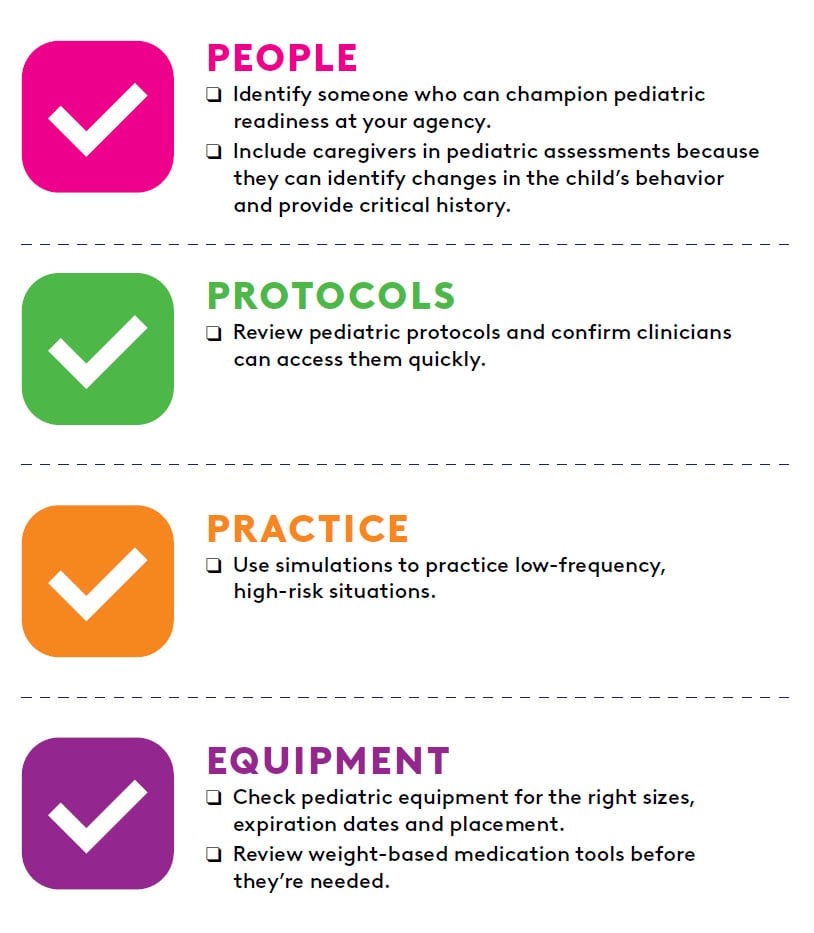
Medication safety receives a lot of attention because pediatric dosing is weight-based. But we also need to talk about errors of omission. A child may be undertreated, undertriaged or undermanaged because a clinician isn’t confident about a medication dose or intervention and decides to wait until arrival.
Equipment is another challenge. Agencies need appropriately sized airway equipment, masks, transport restraints and other supplies. Some items may rarely be used or may expire, but they must be available when the call comes.
Q: What practical steps can EMS agencies take now?
Blake: Start by identifying someone who can champion pediatric readiness within your agency. Then look closely at your current resources.
Q: Why does pediatric readiness need to start before the call?
Blake: Families expect us to arrive ready to care for their child at the same level we would care for an adult. The preparation, practice and coordination must happen beforehand.
Email Chris Blake for more information or to set up a PECC at your agency.
Key Takeaways
- Pediatric readiness starts before an emergency happens. Agencies should incorporate pediatric care into their training, protocols, policies and equipment planning year-round.
- Confidence and experience gaps can affect care. Because pediatric emergencies are less common, EMS clinicians may feel less confident treating children, which can lead to hesitation or delays in care.
- A dedicated pediatric champion can improve readiness. Establishing a Pediatric Emergency Care Coordinator (PECC) helps agencies assess gaps, strengthen education, maintain appropriate equipment and support high-quality pediatric care.
Featured Professionals
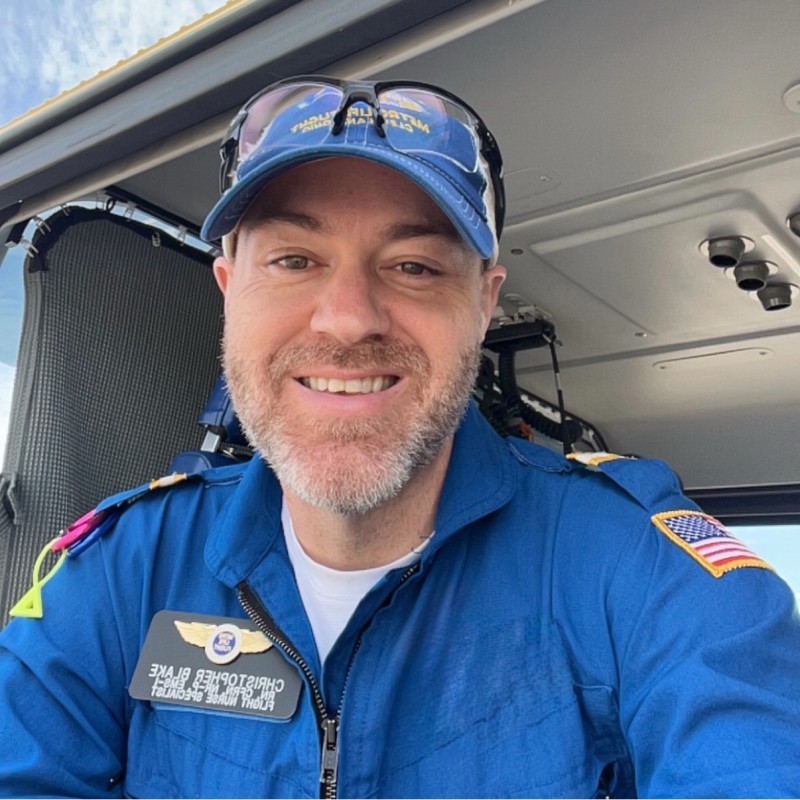
Christopher Blake, RN, BSN, CFRN, NRP, FESI-II
Pediatric Emergency Care CoordinatorTo claim EMS Continuing Education for this edition of FieldBrief, complete a brief survey.
MetroHealth Medical Center is a State of Ohio Approved Continuing Education Site #1202