The First Five Minutes: Is the Child Sicker Than They Look?
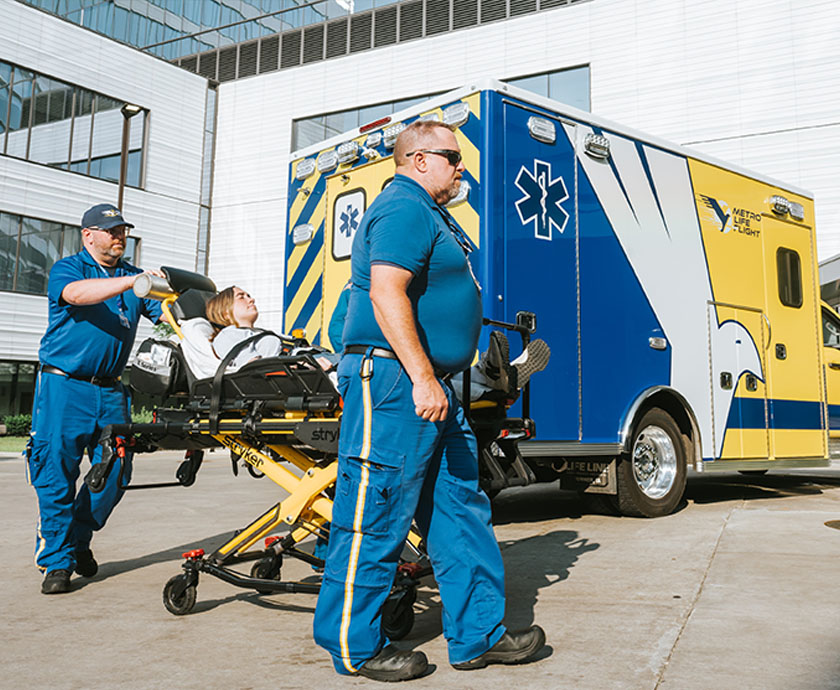
Learn how EMS can spot early signs of rapid decline in a critically sick or injured child—even before vital signs become alarming.
FieldBrief Issue 3
Recognizing subtle changes in a child’s appearance, breathing and circulation during the first five minutes of an assessment can help you identify rapid deterioration early.
“Kids can look fine, look fine, look fine—and then suddenly fall off the cliff,” says Prerna Ladha, MD, pediatric trauma medical director at MetroHealth. “Unless you know what you’re looking for, it can be easy to underrecognize how sick they are.”
Pause and Remember: Children Aren’t Small Adults
Children are not small adults. They have distinct anatomy, physiology and developmental needs that affect how they present during an emergency. They communicate differently, and so do their caregivers.
“The first thing EMS clinicians should do when they get a call for a child is pause,” says Aparna Roy, MD, MPH, MBA and department chair of pediatrics at MetroHealth. “Take a moment to shift into a child’s mindset.”
MetroHealth’s emergency department achieved a pediatric readiness score of 95 out of 100 on the 2026 National Pediatric Readiness Project (NPRP) assessment. This is an improvement from a previous score of 93 and above the national average of 87 for hospitals of similar pediatric volume.
Use the Pediatric Assessment Triangle (PAT)
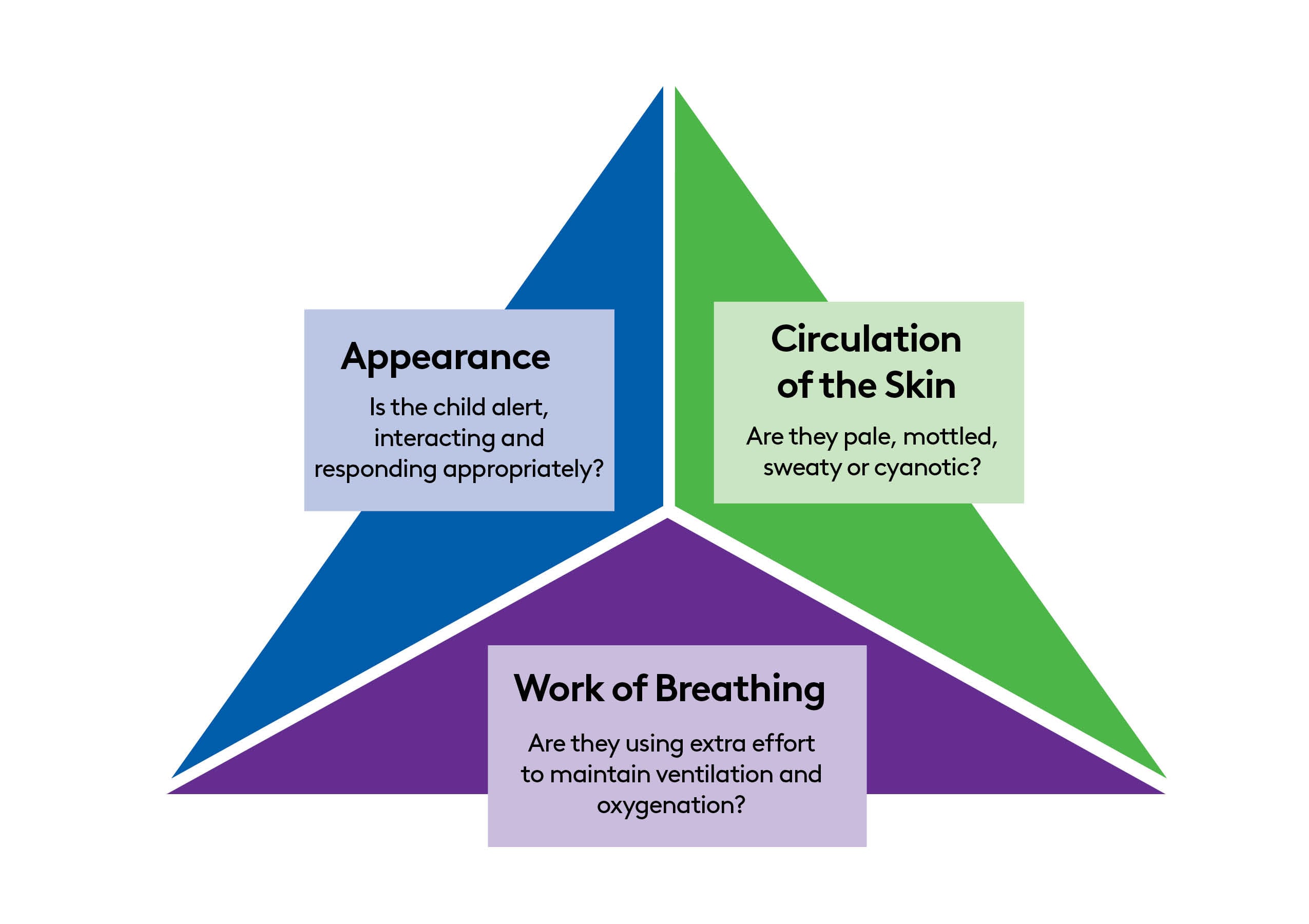
The pediatric assessment triangle (PAT) is a fast, easy way to assess children who may be critically ill or injured without even touching them.
Keep an Eye on Breathing and Other Changes
One of the biggest differences between pediatric and adult patients is how they compensate. Children are better at maintaining normal blood pressure and may appear stable despite significant illness or injury. But they can deteriorate rapidly once compensatory mechanisms fail. That’s why reassessment is just as crucial as the initial exam.
For example, pay close attention when a child who was working hard to breathe a minute ago suddenly becomes quieter or appears to be breathing more comfortably. The change may signal exhaustion—not improvement.
“Most pediatric cardiac arrests begin with a respiratory problem,” Dr. Ladha says. “You want to recognize the child’s increased effort before they become too tired to maintain it.”
- Abdominal or accessory muscle use
- Cyanosis
- Faster-than-expected breathing
- Grunting
- Increasing agitation or sleepiness
- Nasal flaring
Don’t Wait for Hypotension
Children can often maintain a normal blood pressure reading despite significant volume loss or physiologic stress. So, by the time hypotension develops, they may be in an advanced state of shock.
- Altered responsiveness
- Cold, clammy extremities
- Irritability or agitation
- Pale or mottled skin
- Sweating
- Tachycardia
Bradycardia is an especially concerning late sign in a critically ill child and may occur shortly before cardiac arrest. Treat changes in appearance, breathing and perfusion as important clinical information even when traditional vital-sign thresholds aren’t yet apparent.
Stay Calm and Ask the Person Who Knows the Child
When EMS clinicians are the calm, confident communicators in the room, it can greatly reduce a child’s anxiety during assessment and treatment.
Involving parents or caregivers can also improve outcomes. For example, caregivers can tell you whether the child is acting differently than usual. An unexpected lack of response can be an early red flag.
“Parents know their child better than anyone. If they tell you something isn’t normal for their child, pay attention,” Dr. Roy says. “You have to trust your instincts, but trust theirs, too.”
Ask caregivers:
- Is this behavior normal?
- When did the child’s condition change?
- What did you notice first?
- Does the child have relevant medical conditions or medications?
Make the Handoff Tell the Story
During transport and handoff, communicate more than the latest vital signs.
Tell the receiving team:
- What happened and the suspected mechanism
- How the child first appeared and behaved
- What, if anything, changed during your care
- How the child’s behavior compares with their baseline
- What you observed at the scene
- What interventions you performed and how the child responded
Key Takeaways
- Pause and shift into a pediatric mindset before beginning your assessment.
- Use appearance, work of breathing and skin circulation—the pediatric assessment triangle (PAT)—to form an immediate impression.
- Don’t let normal oxygen saturation or blood pressure override concerning clinical signs.
- A sudden decrease in respiratory effort may indicate fatigue and impending failure.
- Remain calm and ask caregivers whether their child is behaving normally.
- Report trends, scene observations and changes, not just the latest numbers.
Featured Medical Providers
To claim EMS Continuing Education for this edition of FieldBrief, complete a brief survey.
MetroHealth Medical Center is a State of Ohio Approved Continuing Education Site #1202