Worried About Falling? Try These Balance Exercises

Strong muscles help keep you steady. A few simple exercises can improve your balance and lower your chance of falling.
Falls aren’t just bad luck. Weak leg muscles and poor balance are among the biggest reasons people fall. The good news? Simple exercises to prevent falls can improve both.
About 1 in 4 adults age 65 and older falls each year. After one fall, your chance of falling again doubles.
Falls can lead to broken bones, head injuries and loss of independence. But small changes can help protect you.
“To find out if you’re at risk, your provider can do a simple screening test,” says Jensen Kolaczko, MD, orthopedic surgeon at MetroHealth. “Stand up from a chair, walk 10 feet and return to sitting in the chair. If it takes you longer than 12 seconds, you might be at higher risk of a fall.”
Why Strength Training Prevents Falls
“Strength training builds muscles that help you maintain your posture and catch yourself during a stumble,” Dr. Kolaczko says.
“When you stumble, your body relies on a bottom-up chain reaction to stay upright,” Dr. Kolaczko explains.
“Your ankles and calves stabilize against the ground, your thighs and hips absorb the force and power a corrective step, and your core keeps your upper body aligned so you don’t topple over.”
That’s why the best strength exercises for fall prevention target these muscle groups:
- Calves and ankles
- Thighs
- Hips and buttocks
- Core (belly and back)
Strength Exercises You Can Do at Home
You don’t need a gym or special equipment. For safety, stand next to a sturdy chair or kitchen counter you can hold. Stop if you feel any pain, dizziness or shortness of breath.
Talk with your provider before starting a new exercise plan, especially if you’ve fallen before.
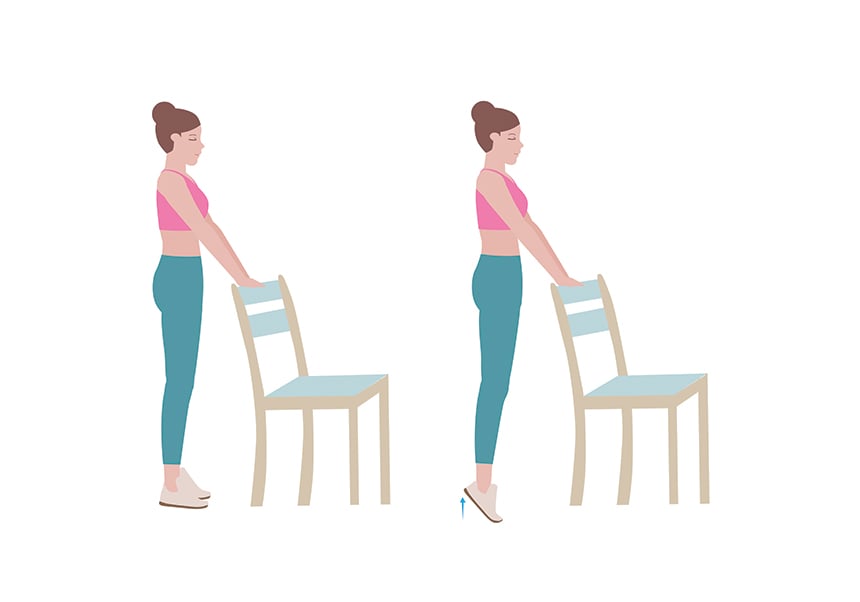
Heel Raises
Works calves and ankles
- Hold the back of a chair or a counter.
- Rise up on your toes.
- Pause. Lower slowly. Do 5 to 10 reps.
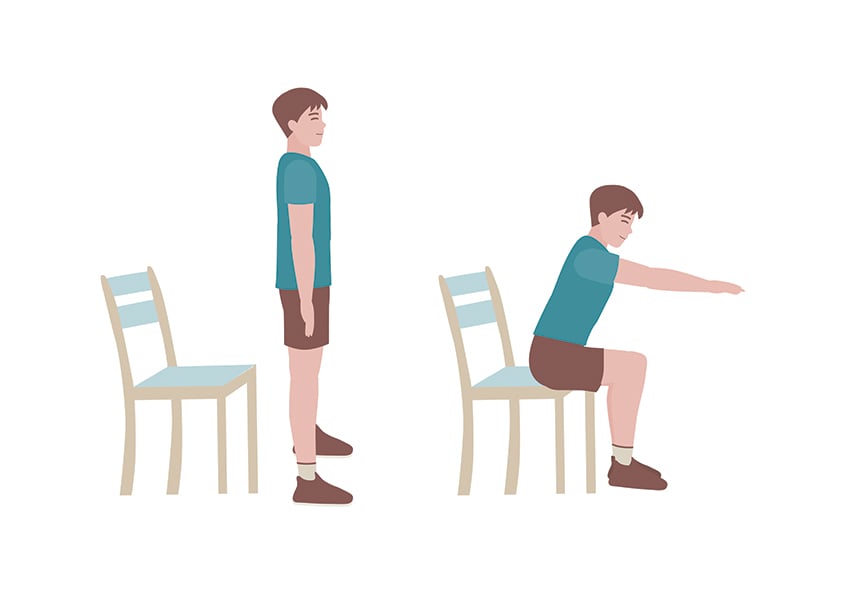
Chair Stands
Work thighs and hips
- Sit near the front edge of a sturdy chair with your feet flat on the floor.
- Lean slightly forward.
- Stand up using your leg muscles. Try not to push off or rock to get up.
- Slowly sit back down. Repeat 5 to 10 times.
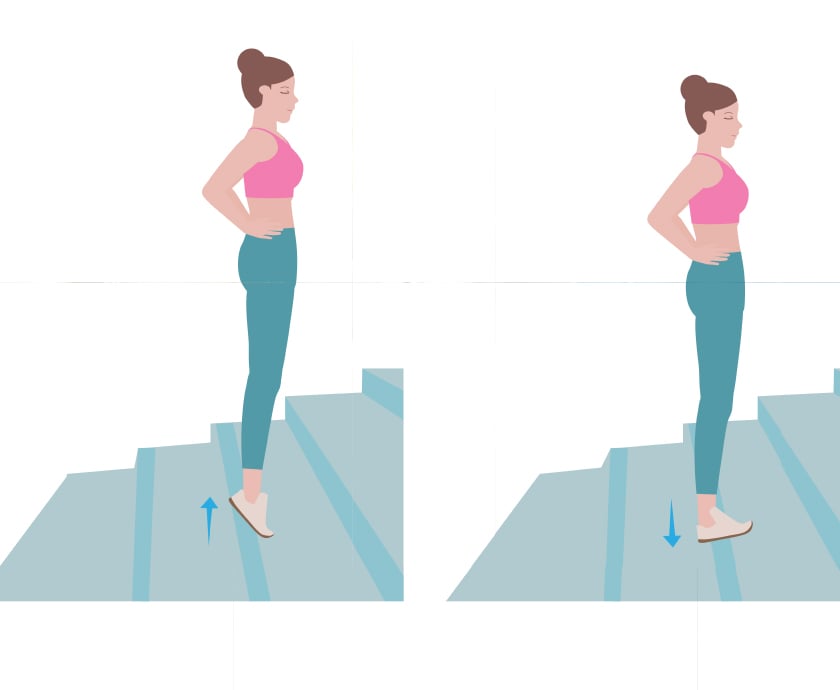
Stair Step-Ups
Works thighs and hips
- Stand at the bottom of a staircase and hold the handrail.
- Step up onto the first step. Bring the other foot up, then step down.
- Switch the lead leg. Repeat 5 to 10 times.
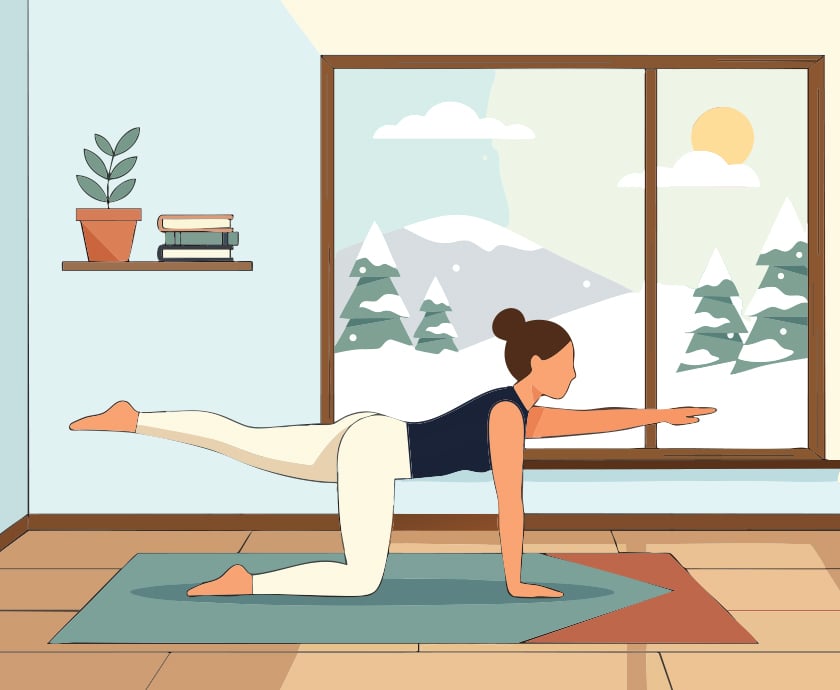
Bird Dog
Works core
- Get on your hands and knees on a mat or carpet.
- Slowly reach your right arm forward and your left leg straight back. Hold for 5 to 10 seconds.
- Return to the starting position. Repeat on the other side. Do 3 to 5 times on each side.
Balance Exercises
Balance is your ability to keep your body steady and upright. It depends on your eyes, ears, posture, reaction time and strength. That's why good balance is key to preventing falls.
You can improve your balance with practice. Try these exercises:
- Weight shifts: Stand with feet hip-width apart. Slowly shift your weight to one side then the other.
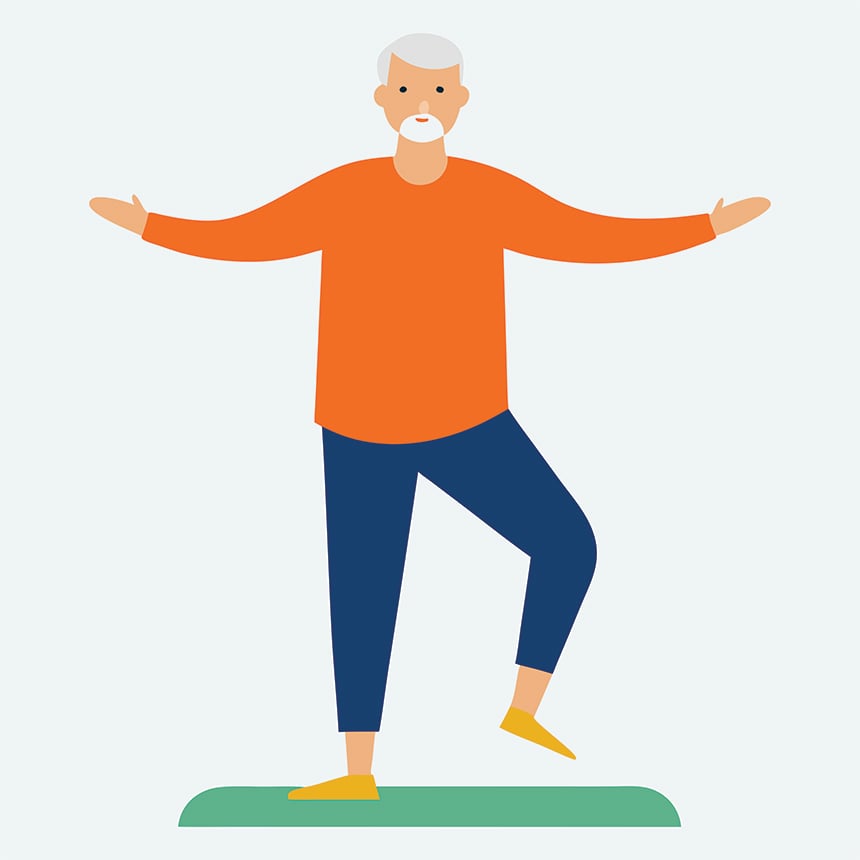
- Stand on one foot: Stand on one foot for up to 10 seconds. Switch feet.
- Heel-to-toe-walk: Walk in a straight line, putting your heel just in front of the toes of your other foot. Use a wall or counter for support.
Stretches That Help You Move Freely
Tight muscles can change how your walk and make it harder to catch yourself if you lose your footing. Try these stretches:
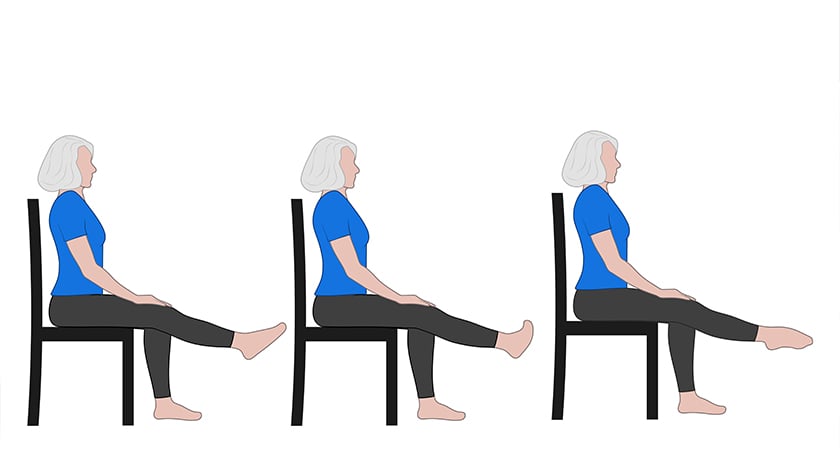
Seated ankle stretch: Sit on a chair with your legs out in front of you. Point toes toward you, then point toes away.
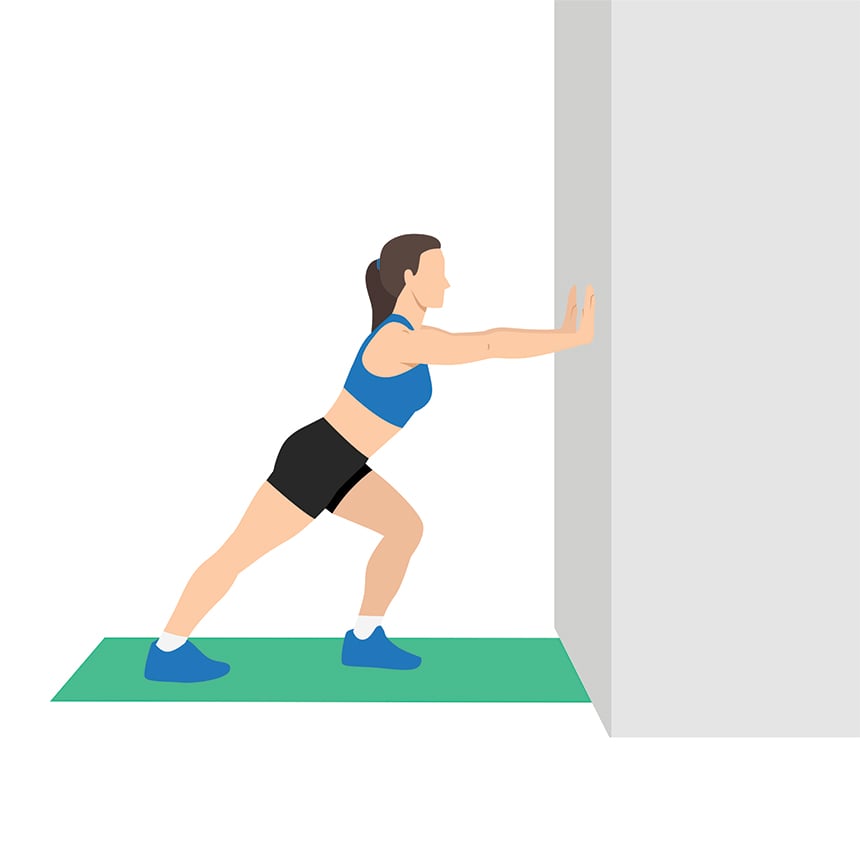
Calf stretch (at a wall): Place your hands on a wall. Step back with one foot and keep that heel on the floor. Gently lean toward the wall. Switch legs.
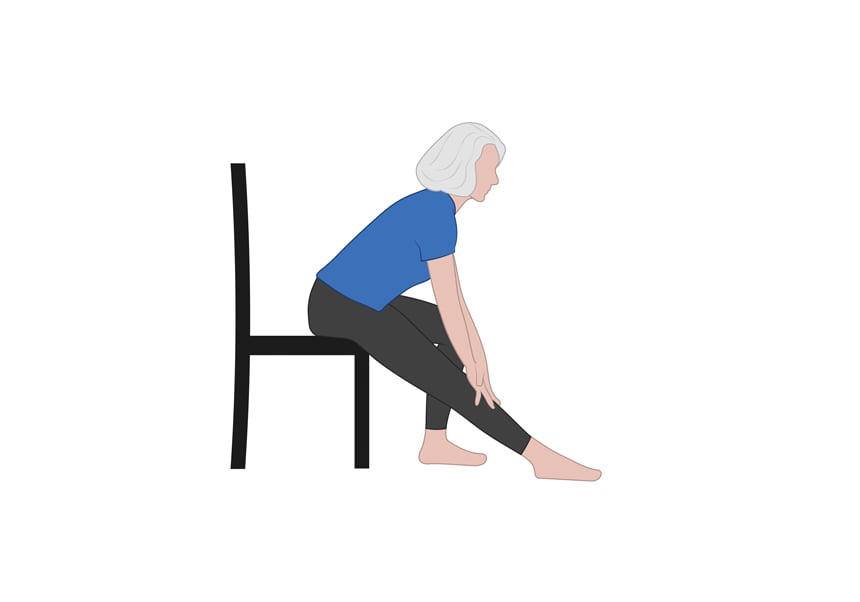
Seated hamstring stretch: Sit at the edge of a chair with one leg straight and your heel on the floor. Keep your back straight and lean forward from your hips. Switch legs.
Ready to Schedule an Appointment?
To schedule an appointment with a primary care provider, call 216-MY-METRO (216-696-3876) or visit metrohealth.org/appointments.
Your Questions Answered
Q. Is Tai Chi or yoga good for balance?
A. Yes. Both can help improve balance, strength, and flexibility. Choose a beginner class or ask your healthcare provider which option is best for you.
Q. Is it safe to do these exercises at home?
A. Many balance exercises can be done safely at home. When starting, stand near a sturdy chair, countertop, or wall for support. Stop if you feel dizzy, weak, or unsteady.
Q. What if I have joint pain, osteoporosis, or dizziness?
A. Talk with your healthcare provider before starting. Some exercises may need to be modified.
Q. Do my medications affect my balance?
A. They can. Some medicines may cause dizziness or drowsiness and increase the risk of falls. Talk with your healthcare provider or a MetroHealth pharmicist if you have concerns.
Q. When should I talk to a healthcare provider about falling?
A. If you have fallen, feel unsteady, or worry about falling, talk with your provider.
Featured Medical Providers
Related Links

Healthy Aging Tips for 40-70 and Beyond
No matter your age, small healthy choices can make a big difference. Explore practical tips for healthy aging from your 40s through your 70s and beyond.

Staying Active with Joint Pain: Easy Tips for Stronger, Healthier Joints
Stay active with joint pain using simple, joint-friendly tips. Learn about low-impact exercise, nutrition, and treatment options to reduce pain and keep moving.
Bone Up: Preventing Osteoporosis and Staying Strong
Learn how to protect bone health after 50 with tips on nutrition, exercise, and osteoporosis prevention. MetroHealth offers expert care close to home.
Lower Your Blood Pressure Without Changing Your Whole Life
Small lifestyle changes can help lower your high blood pressure without medication. Learn more from MetroHealth.

Stay on Your Feet This Winter: How to Prevent Slips and Falls
Winter conditions in many parts of the U.S. bring an increased risk of falls, but MetroHealth can help you stay upright and recover quickly if you fall.
Stay Connected
Join Our Be SimplyWell Community