Ten Tips to Stay on Your Feet This Fall
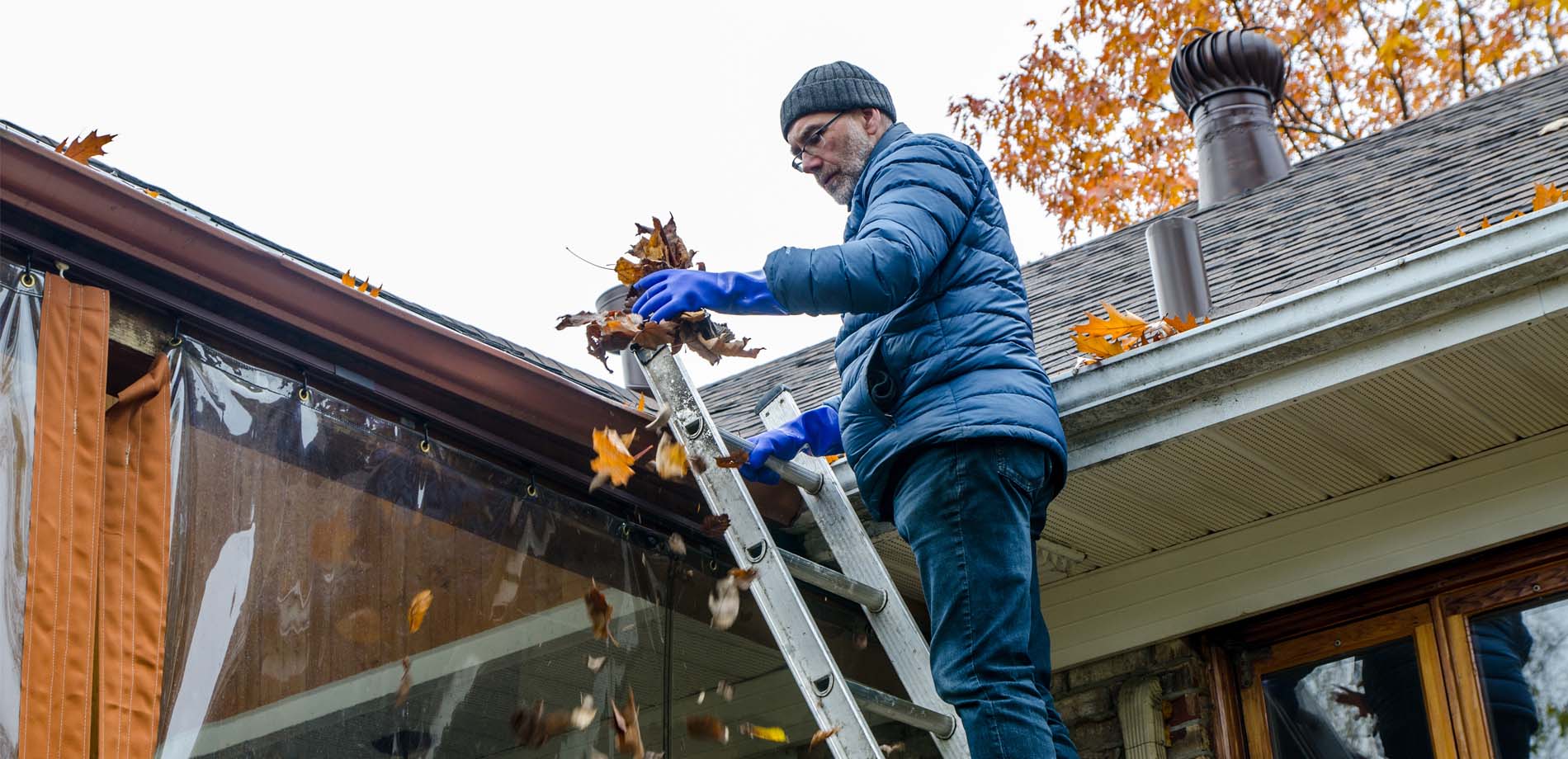
Falls too often lead to head injuries in people 65 and older. Here are 10 ways to protect yourself and your loved ones.
Let’s make this fall a season of fewer, well, falls. Though anyone can take a tumble any time of year, “as the weather starts getting colder, fall incidence tends to increase,” says Anthony Zalewski, RN, Injury Prevention and Outreach Coordinator for MetroHealth.
Falling is most common among people aged 65 and over, and what’s worse is that older folks are also more likely to suffer a traumatic brain injury if they hit their head when they tumble. That’s because your reflexes slow with age and your upper body loses muscle mass—making it harder to catch yourself before your head hits the ground.
10 Tips to Prevent Falls
1. Turn on the lights
People are more likely to fall in dim or dark rooms. As daylight lessens, make it a point to switch on the lights.
2. Check out your flooring
Get rid of or tack down loose area rugs and pay attention to corners of rugs that present tripping hazards.
3. Don’t walk around in socks.
Socks alone may be slippery on hard floors. Wear hard-soled slippers or gym shoes.
4. Make stairs safer.
If you have hardwood stairs, install anti-slip treads or strips.
5. Wear your glasses.
If you can’t see, keeping your balance is much harder. Even if you’re only getting up to use the bathroom in the middle of the night, put your glasses on.
6. Get your eyes checked.
Speaking of eyes, when was the last time you had an eye exam? Vision changes with age. It’s a good idea to get your glasses prescription updated annually.
7. Limit alcohol.
Before you reach for another glass of mulled wine or hard cider this fall, consider how it might impact your balance. If you are going to drink, know your surroundings.
8. Take medications as scheduled.
Not taking your medications as directed can make you feel woozy and mess with balance. Even during the hectic holiday season, stay on schedule.
9. Always secure ladders.
If you’re cleaning the leaves out of the gutters, pay special attention to where you’re placing your ladder. Climb slowly, wear slip-resistant shoes, never attempt to work with a ladder on windy days and have a friend or family member on hand (don’t work alone).
10. Do activities to improve your balance.
Classes like Tai Chi and yoga can help improve balance and core strength. It could be a fun addition to your routine.
Any time you or a loved one falls and are concerned about an injury, have it checked out at one of four Emergency Departments. It’s better to be told that nothing is wrong than to have an undetected brain injury.
In Case of Emergency, Take Me to MetroHealth.
As the most experienced Level I Trauma Center in Northeast Ohio, MetroHealth delivers life-saving care when seconds count. Call 911 for all emergencies.
MetroHealth is here for you with four Emergency Departments ready to respond in Brecksville, Cleveland Heights, Cleveland (Main Campus), and Parma.
Your Questions Answered
Q. How can I lower my risk of falling this fall?
A. Wear shoes with good grip, watch for wet leaves and uneven sidewalks, and use handrails when available. Keeping walkways clear and taking your time can also help prevent falls.
Q. Do falls only happen to older adults?
A. No. Anyone can fall, especially when surfaces are wet, slippery or uneven. However, older adults are more likely to be seriously injured by a fall, so it is important to take steps to stay safe.
Q. When should I talk to a doctor about balance problems?
A. If you often feel dizzy, unsteady or worried about falling, talk to your healthcare provider. They can check for causes of balance problems and recommend ways to help you stay safe and active.