What Transgender People Need to Know about Breast Cancer Screening

The lack of breast cancer screening campaigns that are inclusive of trans and non-binary people is the result of a domino effect.
Breast cancer can affect people of all genders, including transgender individuals. Your risk depends on factors like your age, family history, hormone use, and whether you have breast tissue.
Because every person is different, breast cancer screening is not the same for everyone. Talking with your healthcare provider can help you understand your risk and decide when screening may be right for you.
If you take gender-affirming hormones or have had gender-affirming surgery, it is important to share that information with your provider. These factors can affect your screening needs.
The good news is that screening can help find breast cancer early, when treatment may work best. Staying informed and keeping up with recommended screenings can help protect your health.
Key Takeaways
- Transgender people can get breast cancer.
- Your risk depends on your personal health history.
- Hormone therapy and surgery may affect screening recommendations.
- Talk with your provider about the best screening plan for you.
- Early detection can save lives.
Breast Cancer Screening for Transgender Women
Transgender women may have a lower risk of breast cancer than cisgender women, but the risk is not zero. Gender-affirming hormone therapy can cause breast tissue to develop, which means regular screening may be important.
Estrogen does not cause breast cancer, but it can affect how breast tissue grows. If breast cancer develops, hormones may affect how the cancer behaves.
Most experts recommend talking with your provider about when to start mammograms. Your age, family history, hormone use, genetic risk, and other health factors may all play a role.
If you have breast implants, tell your provider. There may still be breast tissue around the implants that needs to be checked. In some cases, extra imaging tests may be needed.
Finding Care That Fits Your Needs
Because there are no one-size-fits-all screening guidelines for transgender and non-binary people, building a relationship with a trusted provider is important.
Getting a mammogram or talking about breast health can feel uncomfortable for some people. A supportive healthcare team can help make the experience easier and more welcoming.
At MetroHealth, providers work to create an inclusive environment for all patients. Simple actions, such as asking patients how they identify and respecting their preferences, can help people feel safe and supported during their care.
We—providers and institutions—must take the first steps to create a safe and inclusive environment that fosters trust for people who largely have been abandoned or ignored in the past. We know that even a small act such as a rainbow pin on a white coat, pronouns on your badge, or a pamphlet of patients’ rights and anti-discriminatory practices in the waiting room can help signify to patients a safe and welcoming space.
About the MetroHealth Pride Network
The MetroHealth Pride Network provides primary care for adults and children and gender-affirming care for adults. Providers have specialized training and experience caring for LGBTQ+ patients and are committed to helping every person receive respectful, high-quality care.
LGBTQ+ Pride Network
Pride Network providers can be found in three MetroHealth locations — Brecksville, Brooklyn and Cleveland Heights, as well as a clinic in the LGBT Community Center of Greater Cleveland.
Learn more at www.metrohealth.org/pride.
To schedule an appointment, call 216-957-4905.
Your Questions Answered
Q. Do transgender people need breast cancer screening?
A. Yes. Transgender people may still have some risk of breast cancer, depending on factors such as age, hormone use, family history, and whether breast tissue is present. Talk with your healthcare provider about the screening plan that is right for you.
Q. Does hormone therapy affect breast cancer risk?
A. Gender-affirming hormone therapy can affect breast tissue and may change breast cancer risk. Researchers are still learning more, so it is important to discuss your hormone use and health history with your provider.
Q. When should transgender people get a mammogram?
A. There is no one-size-fits-all answer. Screening recommendations depend on your personal risk factors, medical history, and gender-affirming treatments. Your provider can help determine when to start screening and how often you should be tested.
Featured Medical Providers
You May Also Like

Empowered Through Awareness: Taking Charge of Your Breast Health
A breast cancer diagnosis can be overwhelming, but behind every diagnosis is a story of strength, courage, and hope.

Steady Steps: Preventing Falls and Improving Balance at Any Age
Falls are one of the leading causes of injury among adults, but many falls can be prevented through awareness, education, and simple lifestyle changes.
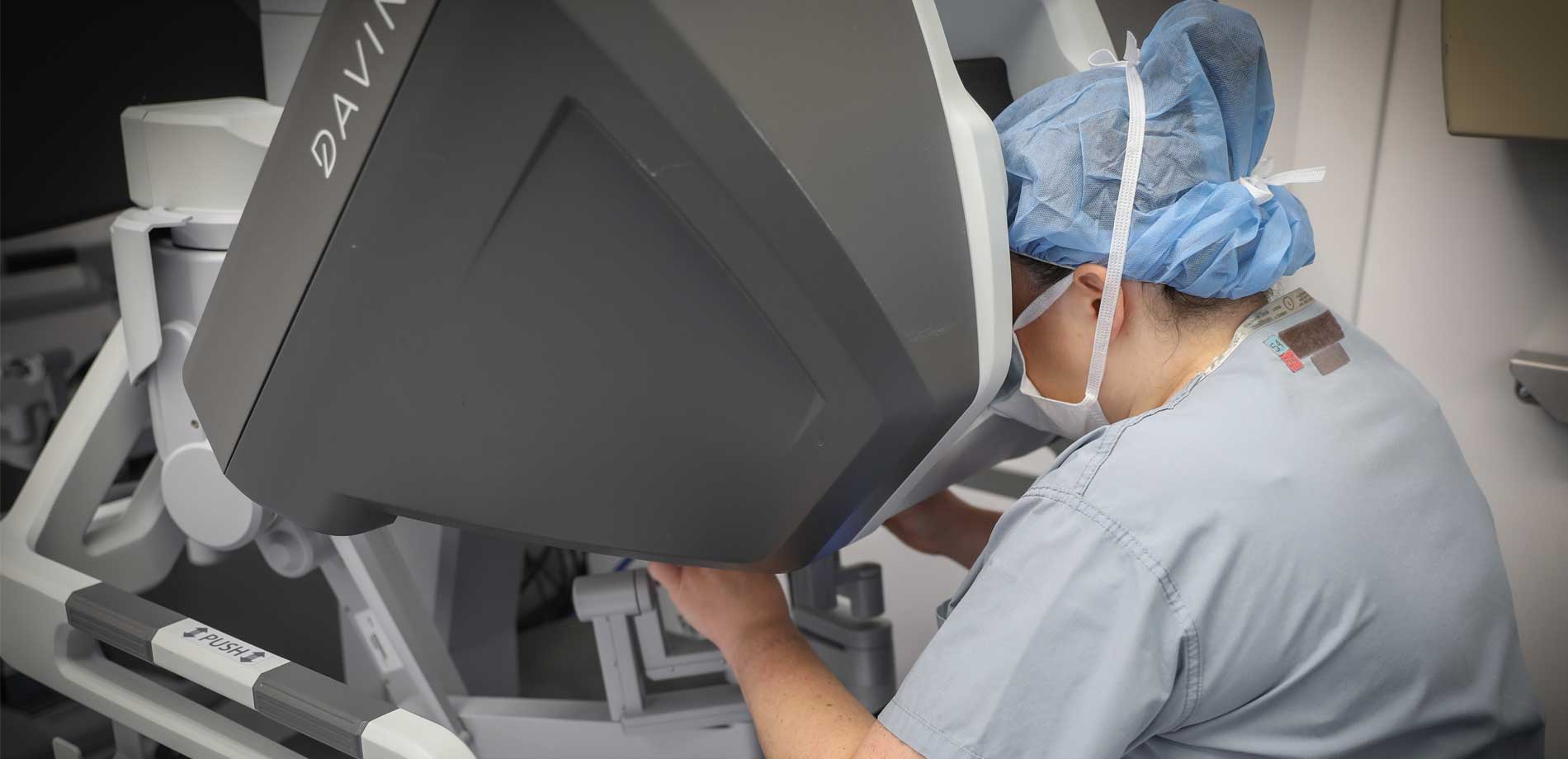
The Advantages of Robotic-Assisted Surgery
Discover how MetroHealth's advanced robotic-assisted surgery technology helps surgeons perform procedures with greater precision, leading to less pain and faster recovery.

Six Steps to Stay Ahead of Brain Health
Keep your brain healthy as you age. Learn six simple habits that can support memory, focus and overall brain health every day.

Apple Oatmeal Crisp
Difficulty: Easy

Healthy Aging Tips for 40-70 and Beyond
No matter your age, small healthy choices can make a big difference. Explore practical tips for healthy aging from your 40s through your 70s and beyond.

Swing Strong: Golf Joint Health and Injury Prevention
Learn expert tips to protect your joints, improve mobility, and stay injury-free on and off the course.

Back-to-School Sports Safety
Sports help kids grow stronger, build confidence and learn important life skills. Here’s how parents can help keep them safe all season long.

Help Your Hearing: Recognizing Early Signs of Hearing Loss
Are you noticing a difference in how you hear? You’re not alone. Hearing loss is common and can be overlooked in the early stages.
Stay Connected
Join Our Be SimplyWell Community