Dry Skin or Eczema? How to Help Your Child Stop Itching
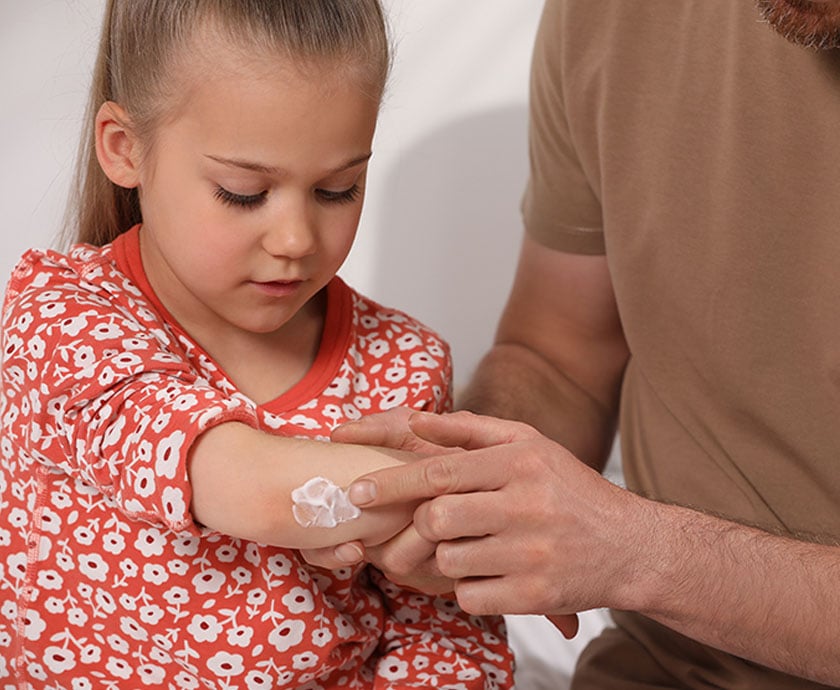
Cold weather can make dry, itchy skin worse. Here are simple ways to protect your child's skin this winter.
Does your child have dry, itchy skin that gets worse when the weather turns cold? It could be more than just dry skin. It might be eczema, a common skin condition that affects many children.
The good news? A few simple changes to your child's daily routine can help ease the itching and keep their skin healthy.
Is It Dry Skin or Eczema?
Dry skin and eczema can look alike, but there are some key differences.
"Dry skin often looks flaky without much redness," explains Lisa Gelles, MD, Director of Pediatric Dermatology at MetroHealth. “Eczema, though, makes skin itchy. It can begin at any age, but research shows most children show signs of it before age 5.”
Eczema usually causes itching, redness, scaling and rough patches of skin. On darker skin, the patches may look purple, gray or darker than the skin around them. Children who scratch a lot may develop thick, raised areas of skin. These patches often improve with treatment.
What Causes Eczema?
Eczema often runs in families. Children with eczema may also have family members with asthma or allergies.
Dr. Gelles explains that children with eczema often have a weaker skin barrier. Think of this barrier as a wall that keeps moisture in and things that irritate the skin out.
When that barrier doesn't work well, moisture escapes. Soaps, fragrances, cold air and other things can then cause itching and rashes.
The key to treating eczema is helping repair that barrier.
5 Ways to Protect Your Child's Skin
Winter can be especially hard on children with eczema. Cold air outside and dry heat indoors can make itching worse.
Dr. Gelles recommends these simple steps:
- Keep baths short and warm. A five-minute bath in warm, not hot, water can help clean and hydrate the skin. Gently pat your child's skin dry afterward.
- Moisturize right away. Apply a thick moisturizer while your child's skin is still slightly damp. Plain petroleum jelly, such as Vaseline, or a fragrance-free cream with ceramides can help lock in moisture. Apply it often throughout the day.
- Choose gentle soaps. Use fragrance-free cleansers made for sensitive skin. Some all-in-one shampoo and body wash products can irritate the skin.
- Skip scented products. Lotions with lavender, perfumes or other added scents may make eczema worse. Look for products labeled "fragrance-free" rather than just "unscented."
- Protect skin from the cold. Before your child heads outside, apply moisturizer to help protect exposed skin. If you use a humidifier indoors, clean it often to prevent mold and germs from growing.
Don't Forget the Lips
Cold weather and dry indoor air can also cause cracked, sore lips.
Children may lick their lips to make them feel better, but saliva can make dryness worse.
Plain petroleum jelly is often the best choice. Some flavored or scented lip balms contain ingredients that can irritate the skin. Keep a small tube handy so your child can apply it throughout the day.
Can Food or Laundry Detergent Make Eczema Worse?
Parents sometimes wonder if their child's diet is causing eczema.
Most children with eczema do not need to avoid certain foods unless they have a diagnosed food allergy. Food allergies more often cause hives or other symptoms.
Laundry products can also bother sensitive skin. Choose a detergent without added fragrances or dyes, especially if your child's eczema is severe.
After playing outside, a bath or shower can help wash away pollen, grass and other things that may irritate the skin.
When Should You See a Dermatologist?
Good skin care can help control mild eczema, but some children need more treatment.
If your child's itching keeps them awake, gets in the way of daily activities or leads to open sores, it's time to call a doctor.
Over-the-counter hydrocortisone may help small areas of eczema but check with your child's healthcare provider before using it, especially on the face or on young children.
For more serious eczema, dermatologists can prescribe creams that calm the skin and reduce itching. Both steroid and non-steroid treatments are available.
With the right care, most children can find relief from dry, itchy skin and get back to having fun.
Need help with your child's eczema?
MetroHealth's pediatric dermatology team can help. To schedule an appointment with Dr. Gelles or another dermatology provider, call 216-778-DERM (3376).
Featured Medical Providers
You May Also Like

Simple Steps to Help Your Child Stay Healthy and Safe
Every October, we celebrate National Children’s Health Month. This is a great time to make sure our kids have everything they need to grow, learn, and play.

Back-to-School Sports Safety
Sports help kids grow stronger, build confidence and learn important life skills. Here’s how parents can help keep them safe all season long.
Back-to-School Vaccines: Is Your Child Up to Date for the New School Year?
Keep your kids protected this school year. Learn which vaccines are recommended by age and schedule back-to-school immunizations today.

Safe Swimming Tips for Kids and Families: Essential Water Safety Guide
Keep your family safe around water with expert swimming safety tips, drowning prevention advice, life jacket guidance, pool safety, and sun protection.

For Preschoolers, Play Should Be a Full-Time Job
Learn why play is essential for preschoolers’ growth. Discover how indoor and outdoor play helps young children build skills, stay active, and learn every day.
Expert Guidance for an Easy Skin Care Routine
With all of the miracle products available, skin care can feel confusing. MetroHealth dermatologists help you care for your skin and keep it healthy.

A Parent’s Guide to Autism, Neurodiversity and Child Development
Discover early signs of autism, what neurodiversity means and how MetroHealth helps families get answers and support for their child’s development.

Finding Balance with Screen Time: A Parent's Guide
Learn how screen time can affect kids and discover practical ways to set healthy limits, encourage screen-free activities and find better family balance.

Raising Adventurous Eaters: A Parent’s Guide to Getting Kids to Try New Foods
Healthy foods give children of all ages the energy they need to take on all kinds of adventures, but sometimes kids don’t want to try new things.

Allergy Relief for Your Little Ones
Spring is in the air, but so are allergens. While your kids are looking forward to running around outside, you may be bracing for their seasonal sniffles.
Stay Connected
Join Our Be SimplyWell Community
