Back-to-School Sports Safety
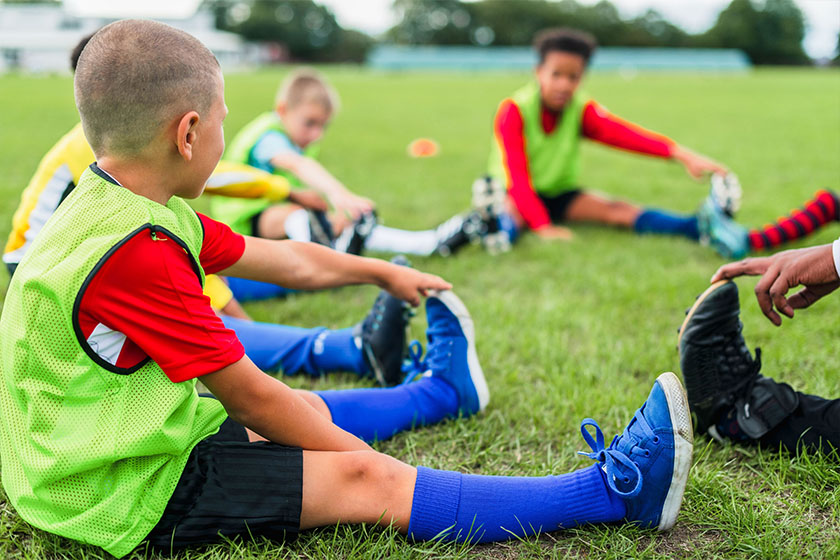
Sports help kids grow stronger, build confidence and learn important life skills. Here’s how parents can help keep them safe all season long.
As kids head back to school, many are also heading back to the soccer field, football practice, volleyball court or cross-country trail. Playing sports is one of the best ways for children to stay active, make friends and build confidence.
As practices and games begin, it’s also a good time to think about sports safety, said Justin Mistovich, MD, Division Director of Pediatric Orthopaedics at MetroHealth. Each year, 3.5 million children and teens in the United States are hurt in sports and recreational activities.
Sports are fantastic for children. They teach grit, teamwork and how to overcome challenges. We want kids to play sports. We just want them to play safely.
Here are ways you can help your young athlete stay healthy this school year.
Don’t Specialize in One Sport
Many parents worry their child will fall behind if they don’t play their preferred sport year-round. But research shows that’s usually not true. Most NCAA athletes didn’t specialize in one sport until they were in their mid-teen years.
Growing bodies need time to rest. Their bones contain growth plates, which are softer areas near the ends of bones. These areas are more likely to get injured when kids do the same movements repeatedly. These are called “overuse injuries.”
Playing different sports helps kids lower their risk of injury because they exercise different muscle groups. Rest helps muscles recover, lowers injury risk and can prevent burnout.
Parents can help by following a few simple guidelines:
- Keep weekly hours of organized sports less than your child’s age. For example, an 8-year-old should practice no more than eight hours each week.
- Take one or two days off from organized sports every week.
- Limit organized sports to about eight months each year.
- Encourage free play, like riding bikes, playing tag or shooting hoops with friends.
Fuel Your Athlete for Success
More than half of adolescents do not get the nutrition they need, especially during busy sports seasons. Without enough calories, protein, calcium and other nutrients, young athletes are more likely to get hurt and recover more slowly.
Parents don’t need expensive supplements or special sports foods. Instead, focus on healthy meals and snacks that include:
- Carbohydrates like whole grains, fruit and potatoes to give muscles energy.
- Protein such as chicken, fish, eggs, yogurt, beans or peanut butter to help muscles recover after exercise.
- Healthy fats from foods like nuts, seeds and avocado to support growth and overall health.
- Calcium and vitamin D from dairy products or fortified foods to build strong bones.
Student athletes should eat a balanced meal a few hours before practice or a game and have a snack with carbohydrates and protein afterward to help their bodies recover.
Hydration is important. Encourage your child to drink water throughout the day instead of waiting until they feel thirsty. Athletes should continue drinking fluids after practices and competitions to replace what they lose through sweat.
Finally, skip performance supplements unless your child’s healthcare provider recommends them. Research shows that most young athletes do not benefit from sports supplements. Healthy eating provides nearly everything growing athletes need.
If your child is losing weight, seems unusually tired or has ongoing muscle soreness, talk with your healthcare provider.
Focus on Sleep, Stretching and Sports Gear
A proper warm-up before practice or games helps prepare muscles and improves balance and coordination. Programs such as FIFA 11+ Kids have been shown to lower the risk of knee and ACL injuries in young athletes.
Parents should also make sure children:
- Wear the right protective equipment, including helmets for biking, scooters and sports that require them.
- Follow pitch count limits if they play baseball or softball.
- Stop playing if they have pain instead of trying to “push through it.”
- Get enough sleep. Being overly tired also raises the risk of injury.
Take Concussions Seriously
If your child takes a hit to the head and develops a headache, dizziness, confusion, nausea or blurry vision, they should stop playing right away and be evaluated by a healthcare provider.
Returning to sports too soon after a concussion can lead to more serious injuries and longer recovery times.
Make an Appointment for Sports Injuries
MetroHealth’s pediatric providers across Northeast Ohio can treat sports injuries. To schedule, call 216-778-7821, or see a full list of our pediatric providers. If you have a non-emergency injury that requires immediate treatment or care in the evenings or weekends, visit a MetroHealth Express Care Clinic near you.
Your Questions Answered
Q. Is it okay for my child to play the same sport all year?
A. Not usually. Playing one sport year-round can increase the risk of overuse injuries because growing bones, muscles and joints need time to rest. Experts recommend that children take breaks from organized sports, play different sports throughout the year and enjoy unstructured activities like biking or playing outside.
Q. What should my child eat before and after sports?
A. Before practice or games, your child should eat a balanced meal that includes healthy carbohydrates and protein. After activity, a snack with carbohydrates and protein can help muscles recover. Drinking water throughout the day is also important to stay hydrated and perform at their best.
Q. How do I know if my child may have a concussion?
A. Watch for symptoms such as headache, dizziness, confusion, nausea, balance problems or blurry vision after a blow to the head. If your child has any of these symptoms, they should stop playing immediately and be evaluated by a healthcare provider before returning to sports.