Finding Balance with Screen Time: A Parent's Guide
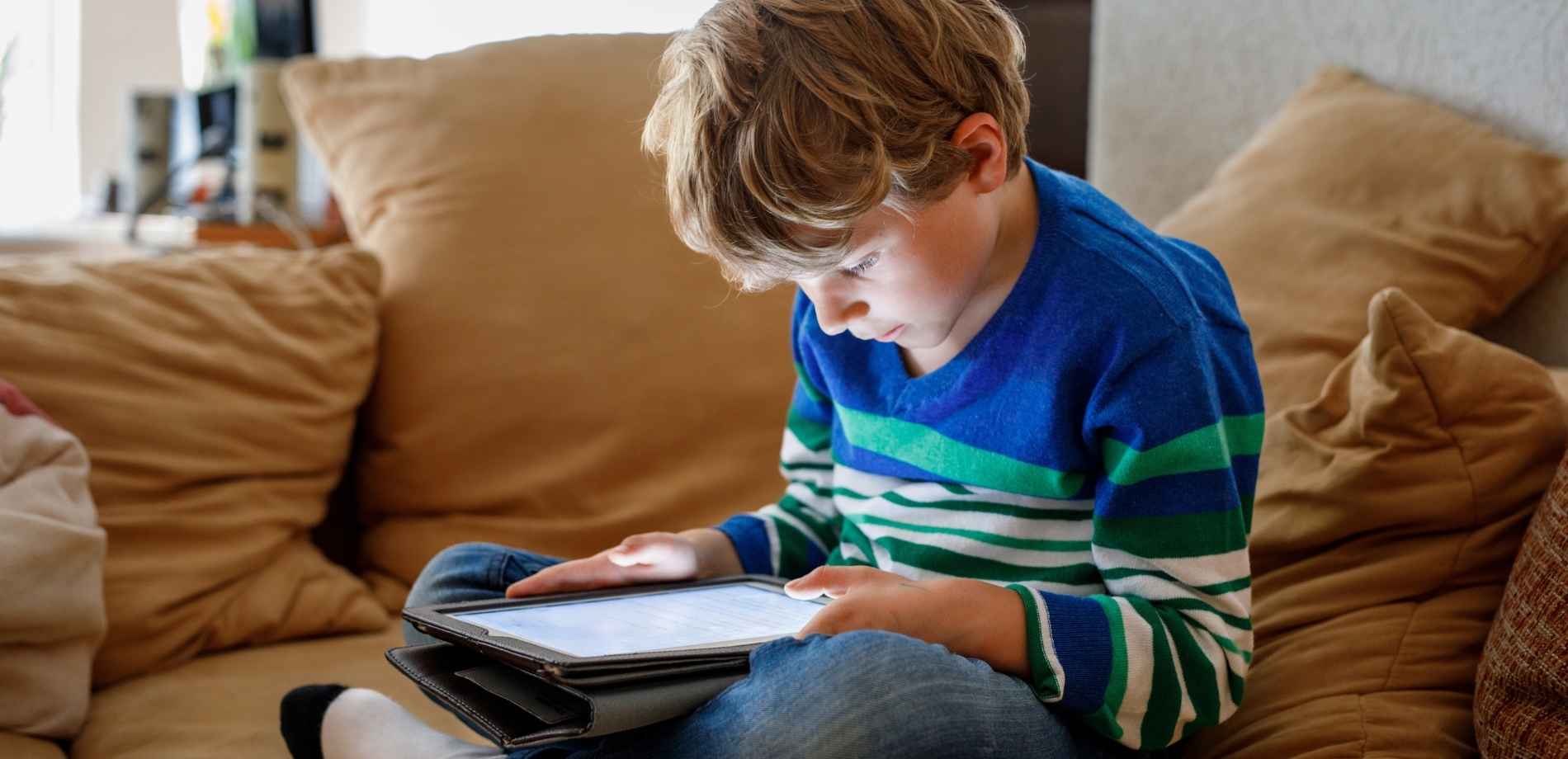
Wondering how much screen time is too much? Learn how screens can affect your child and find simple ways to build healthy screen habits at home.
Screens are part of everyday life. Kids use phones, tablets, TVs, computers and video games to learn, connect and have fun.
Screens are not always bad. The key is finding a healthy balance. Kids also need time to sleep, move, play and spend time with family and friends.
Screentime itself isn’t the problem. Screens are part of life today. The goal is balance, not perfection. What matters most are balance, clear limits, and knowing how screens affect a child’s growing brain.
Why Screen Time Limits Matter
Kids learn and grow through real-life experiences.
Young children learn to talk by hearing words, watching faces and talking with other people. Educational shows can help, but they cannot take the place of talking and playing with a parent or caregiver.
Screens can also affect sleep. Kids may stay up too late using their devices. Games, videos and social media can also make it harder to relax before bed.
Instead of only counting the hours your child spends on a screen, think about what screen time may be taking the place of.
As a pediatrician, I remind families that screen time is not just about counting hours—it is about what screens may be replacing. When screens begin to interfere with sleep, physical activity, learning, or meaningful family interaction, that is when we need to reset the balance. The goal is not to eliminate technology, but to help children develop healthy habits around it.
Signs Your Child May Need Less Screen Time
It may be time to look at your family's screen habits if your child has:
- Trouble sleeping
- Trouble paying attention
- More worry or sadness
- Big emotions or trouble calming down
- Less physical activity
- Less interest in hobbies, friends or family time
- Speech or language concerns
These changes don't always mean screens are the cause. Talk with your child's health care provider if you have concerns.
How Much Screen Time Should Kids Have?
Screen time needs change as kids grow. General guidance includes:
- Under 18 months: Avoid screens except for video calls.
- 18 to 24 months: Choose high-quality shows and watch them with your child.
- Ages 2 to 5: Limit screen time to about one hour a day of high-quality programs.
- Ages 6 and older: Set healthy limits. Make sure screens do not take the place of sleep, exercise and other healthy activities.
It's also helpful to think about what your child is watching, when they're using screens and what they could be doing instead.
What About Educational Shows and Videos?
Educational shows can be helpful. But kids still need time to talk, play and explore.
When young children watch a show or video, try to watch with them. Talk about what you see. Ask questions. Help your child connect what they see on the screen with things in real life.
Parents should also know what their kids are watching online. Videos and ads can change quickly. Online games and social media may also expose kids to content or people you don't know. Parental controls can help, especially for younger children.
6 Easy Ways to Build Healthy Screen Habits
You don't have to change everything at once. Start with one or two simple steps that work for your family.
1. Put Devices Away During Meals
Make family meals screen-free. Put away phones and tablets and use the time to talk about your day.
Parents can join in, too. When kids see you put your phone away, they learn that screen-free time is important for everyone.
2. Keep Screens Out of the Bedroom
Try to keep phones, tablets and other devices out of bedrooms at night. Reading a book or listening to a story can help kids relax before bed.
3. Create Screen-Free Times
Pick times when everyone puts their devices away. This could be during dinner, before bedtime or during family activities.
Let older kids and teens be part of the conversation. Talk about why these rules are important.
4. Trade Screen Time for "Green Time"
Get outside! Take a walk, ride bikes, visit a playground or explore a park.
Even simple activities, like playing in the backyard, can make screen-free time fun.
5. Find Fun Things to Do Together
Try a board game, puzzle, craft or new recipe. Read together or let your child choose a family activity.
When kids have fun choices, putting down a device can be easier.
6. Set Clear Rules
Decide when kids can use devices and what they can watch or play.
As kids grow, talk about the rules together. Parental controls and device settings can also help you manage what younger children can access.
Try a Family Screen-Time Challenge
Healthy screen habits are for everyone, not just kids.
Pick a few goals and try them for one week:
- No phones at the dinner table
- No screens during family activities
- Put screens away before bedtime
- Do something outside each day
- Play a family game
- Read a book instead of scrolling before bed
Parents can take part, too. Putting your phone away shows your child that everyone can take a break from screens.
Find What Works for Your Family
Every family is different. You don't need to get rid of screens to build healthy habits.
Start small. Set limits that work for your family and try to stick with them.
Most of all, think about balance. Make sure your child has plenty of time to sleep, move, play, learn, talk and connect.
Find the Right Balance for Your Family
Not sure if screen time is affecting your child? You don't have to figure it out alone.
If you have concerns about your child's sleep, behavior, attention, development or emotional health, talk with a MetroHealth pediatric provider.
We can help you understand what's going on and find healthy screen habits that work for your child and your family.
Take the next step for your child's health. Call 216-778-2222 to schedule an appointment, or see a full list of our pediatric providers.
For more information, visit Pediatric Care at www.metrohealth.org.
Your Questions Answered
Q: How much screen time should my child have?
A: It depends on your child's age. Very young children should have little or no screen time. As kids get older, focus on setting healthy limits. Make sure screens don't take the place of sleep, exercise, play and family time.
Q. How do I know if my child is getting too much screen time?
A. Watch for trouble sleeping or paying attention, changes in mood, less physical activity or less interest in other activities. These may be signs that your family should take another look at its screen habits.
Q. How can I help my child spend less time on screens?
A. Start with small changes. Set clear rules, create screen-free times and offer fun things to do without a device. It's also important for parents to model healthy screen habits.
Featured Medical Providers
Related Links

Back-to-School Sports Safety
Sports help kids grow stronger, build confidence and learn important life skills. Here’s how parents can help keep them safe all season long.

Back-to-School Vaccines: Is Your Child Up to Date for the New School Year?
Keep your kids protected this school year. Learn which vaccines are recommended by age and schedule back-to-school immunizations today.

Safe Swimming Tips for Kids and Families: Essential Water Safety Guide
Keep your family safe around water with expert swimming safety tips, drowning prevention advice, life jacket guidance, pool safety, and sun protection.

For Preschoolers, Play Should Be a Full-Time Job
Learn why play is essential for preschoolers’ growth. Discover how indoor and outdoor play helps young children build skills, stay active, and learn every day.

A Parent’s Guide to Autism, Neurodiversity and Child Development
Discover early signs of autism, what neurodiversity means and how MetroHealth helps families get answers and support for their child’s development.
Stay Connected
Join Our Be SimplyWell Community