Vascular Disease: Risks, Symptoms and Diabetes

Blocked blood vessels can affect your brain, heart, legs and more. Learn who's at risk, why diabetes matters and simple steps to protect your circulation.
Think of your blood vessels like a network of roads. They carry blood, oxygen and nutrients to every part of your body. When those roads get blocked, the areas they serve can’t get what they need. That blockage is vascular disease, which can affect areas of your body such as your brain, heart, legs and arms.
November is Diabetes Awareness Month, and it’s an important time to learn about the link between diabetes and vascular disease. But even if you don’t have diabetes, knowing your risks and warning signs can help you get care sooner.
What Is Vascular Disease?
The most common cause of vascular disease is a fatty buildup inside the blood vessels called atherosclerosis (ath-uh-roh-skluh-ROH-sis).
“When that buildup blocks the flow of blood to a certain area, that body part is starved of food and can’t wash out waste,” says Garietta Falls, MD, Division Director of Vascular Surgery at MetroHealth.
Where the blockage happens makes a difference. For example, a blocked blood vessel in the brain can cause a stroke. In the heart, it can cause a heart attack. Blockages can also happen in your arms, legs and belly. Vascular disease also includes aneurysm (when a blood vessel bulges larger than normal) and problems with veins.
Vascular Disease Risk Factors
Some risks for vascular disease are out of your control. Those include your age, your sex and your family history. But you may be able to do something about other risk factors, including:
- Smoking
- Diabetes
- Being overweight
- Kidney disease
“The number one risk people can control is smoking,” says Dr. Falls. More than 80% of the people she treats smoke. “If you add smoking with diabetes, with obesity, with kidney disease, it’s like a perfect storm.”
How Are Diabetes and Vascular Disease Related?
Diabetes speeds up atherosclerosis, so blood vessels get blocked faster. That’s why people with diabetes often get peripheral artery disease (PAD) at a younger age. Learn more about PAD and your heart.
“Everything hits them hard,” Dr. Falls says. “It’s not just an arm or a leg not getting blood flow. It’s their heart or their brain.”
If you have diabetes, keeping your blood sugar in a healthy range is the most important step. Check your blood sugar, take your medicines as prescribed and work with your diabetes care team.
Warning Signs of Vascular Disease
Many people with vascular disease have no symptoms at first. Most don’t notice a problem until an artery is more than 50% blocked. Talk with your provider if you notice:
- A sore on your foot or leg that won’t heal
- Pain in your feet or toes when you lie in bed that gets better when you hang your feet over the side
- Skin on your toes or feet that turns black or blue
- Feet that feel very cold
- Pain in your legs
If you’re a man age 65 or older and you have ever smoked, ask your provider about an ultrasound screening for an abdominal aortic aneurysm (AAA). Medicare may cover it.
Sudden chest pain or signs of a stroke need emergency care. Call 911 right away.
Vascular Disease Treatments
Many people are surprised to learn that vascular disease doesn’t always mean surgery. “This isn’t always a surgical disease. It can and should be medically managed,” notes Dr. Falls. “I always tell my patients, surgery is the last resort.”
Your care team may recommend that you:
- Quit smoking
- Take a daily low-dose aspirin, if your provider says it’s right for you
- Take a statin, which is a medicine that lowers cholesterol and can slow PAD
- Keep diabetes and kidney disease under control
- Walk 10 to 30 minutes every day
- Eat fewer processed foods
If those steps aren’t enough, you may need surgery. Vascular surgeons can do procedures to open or bypass blocked vessels, repair aneurysms and treat vein problems. Many of these surgeries are minimally invasive: they use small cuts instead of large ones.
Vascular Care Close to Home at MetroHealth
As Greater Cleveland’s safety-net health system, MetroHealth is here for everyone in our community. Our vascular surgeons work with primary care, diabetes, wound care and podiatry providers to care for your whole health—starting with even a single blood vessel.
You don’t need to take big steps to start improving your vascular health. “It’s as simple as taking 5 to 10 minutes to walk around the block. Or walk your dog or mow your lawn,” says Dr. Falls. “Small changes in lifestyle lead to big changes.”
Not sure where to start?
Talk to a MetroHealth primary care provider about your healthcare goals and concerns. To schedule an appointment with a primary care provider, call 216-My-Metro or schedule online.
Your Questions Answered
Q. Is vascular disease the same as heart disease?
A. They’re related, but not the same. Heart disease affects your heart and the blood vessels around it. Vascular disease can affect blood vessels anywhere in your body, including your legs, arms, neck and stomach.
Q. Can vascular disease be reversed?
A. Buildup in your arteries may not go away completely. But quitting smoking, managing diabetes, taking medicines your provider recommends and staying active can slow the disease and ease symptoms.
Q. When should I see a vascular specialist or surgeon?
A. Talk with your provider if you have a leg or foot sore that won’t heal. Also if you have foot pain at night, cold feet or skin that changes color. Your provider can check your pulses and order tests to see how well your blood is flowing. If needed, they’ll refer you to a vascular specialist or surgeon.
Featured Medical Providers
Recent Articles
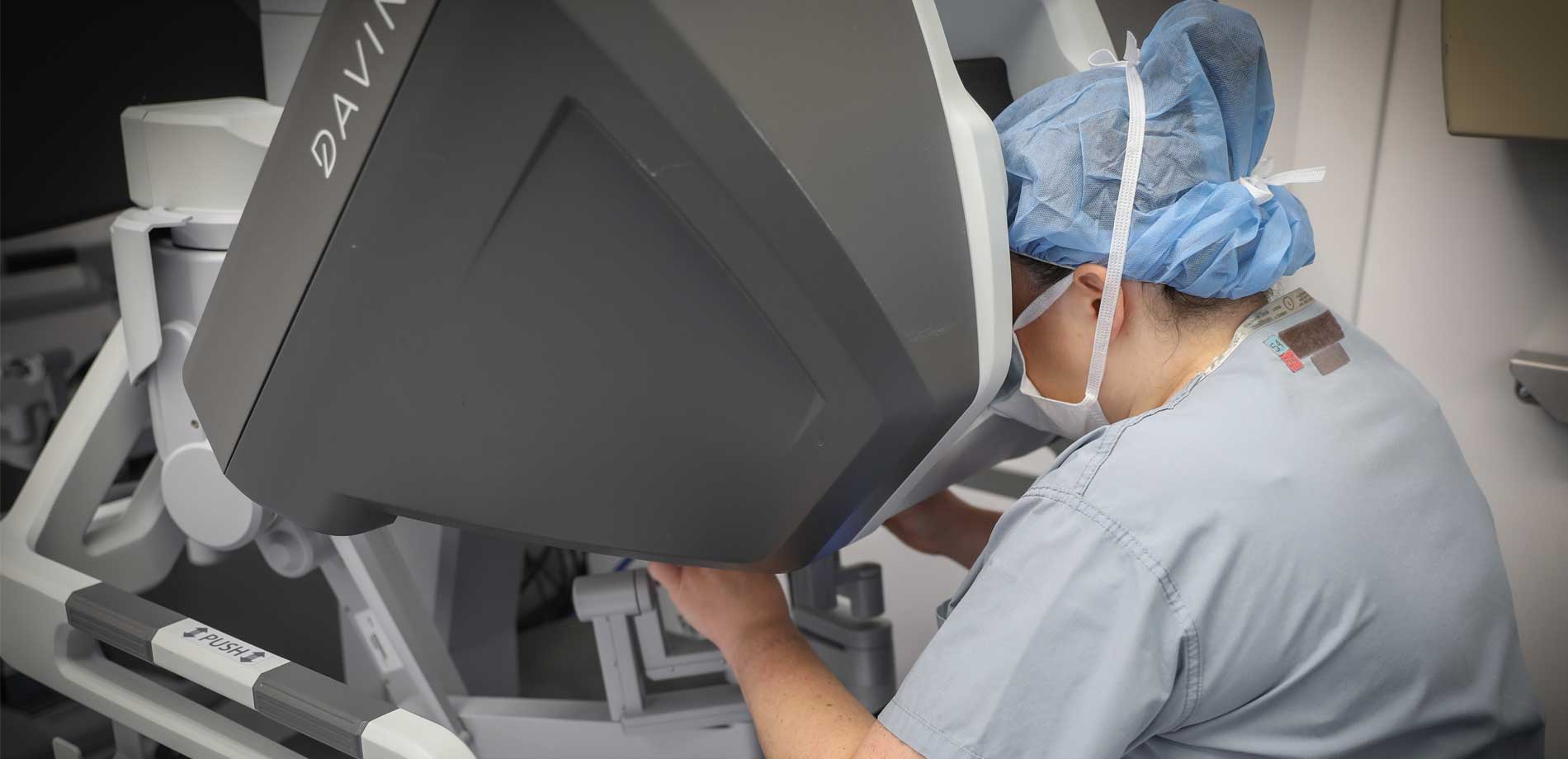
The Advantages of Robotic-Assisted Surgery
Discover how MetroHealth's advanced robotic-assisted surgery technology helps surgeons perform procedures with greater precision, leading to less pain and faster recovery.

Six Steps to Stay Ahead of Brain Health
Keep your brain healthy as you age. Learn six simple habits that can support memory, focus and overall brain health every day.

Healthy Aging Tips for 40-70 and Beyond
No matter your age, small healthy choices can make a big difference. Explore practical tips for healthy aging from your 40s through your 70s and beyond.

Back-to-School Sports Safety
Sports help kids grow stronger, build confidence and learn important life skills. Here’s how parents can help keep them safe all season long.

Signs of Hearing Loss and When to Seek Help
Frequently asking people to repeat themselves? Learn the common signs of hearing loss, when to get a hearing test and when it's time to seek help.
Stay Connected
Join Our Be SimplyWell Community