Is Pneumonia Contagious? What You Need to Know
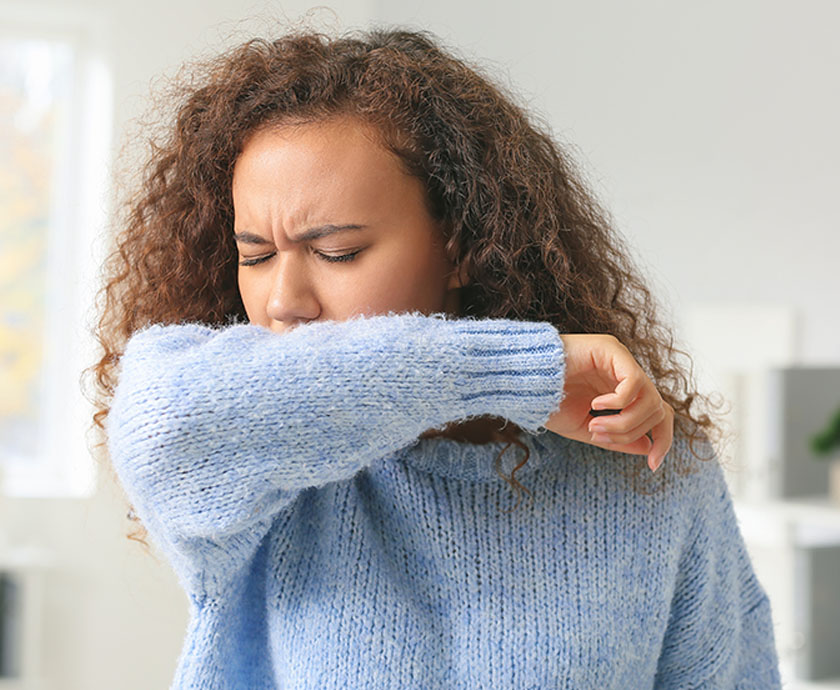
Is pneumonia contagious? Learn what a MetroHealth primary care provider says about how and when it spreads and how to protect yourself and your family.
Pneumonia is more common during fall and winter. If you find out a coworker or family member has pneumonia, along with your concern for them, you may also wonder, “Could I catch it?”
The answer: Yes, sometimes you can catch pneumonia. But it depends on what caused it. Since pneumonia is a type of illness and not a single germ, the answer to the question “Is it contagious?” doesn’t have one answer.
Here’s how to protect yourself and your loved ones.
What Is Pneumonia?
Pneumonia is an infection caused by viruses, bacteria or fungi. It inflames the air sacs in one or both lungs. Inflammation can make it hard for the oxygen you breathe to get into your bloodstream so your body can function the way it needs to. The symptoms of pneumonia can range from mild to severe and may include:
- Chest pain
- Chills
- Cough
- Fever
- Trouble breathing
Can People “Catch” Pneumonia?
Pneumonia itself isn’t contagious. It’s the bacteria and viruses that cause pneumonia that can spread from person to person. For example, the flu is contagious and can lead to pneumonia in some cases.
“Think of it this way,” says David Kuentz, Do, MBA. “You can catch a germ, but not pneumonia. This means that one person may get a mild cold from a germ, while that same germ could end up giving someone else pneumonia.”
How Pneumonia Spreads
Germs—bacteria and viruses—usually spread when infected people cough, sneeze or talk, which sends respiratory droplets into the air. If you’re nearby, you might breathe in these droplets.
You can pass pneumonia-causing bacteria or viruses on to other people even when you don’t have symptoms.
Who Is Most at Risk
Many factors can raise the risk of pneumonia. They include:
- Age. People 65 or older and children younger than 2 have a higher risk.
- Immune system. A weakened immune system makes it harder for your body to fight infection.
- Certain health conditions. People who have these conditions have a higher risk:
- Asthma
- Chronic obstructive pulmonary disease (COPD)
- Diabetes
How Long Is Someone Contagious?
Once you have pneumonia, there’s no set time for how long you’ll be contagious. That’s because it depends on what caused you to have pneumonia.
For most people, if you have bacterial pneumonia, you are contagious for around 48 hours after starting antibiotics and until your fever is gone. If it’s viral pneumonia, the contagious period ends when your symptoms start to go away.
How to Protect Yourself and Others
One of the best ways to protect yourself against pneumonia is to get vaccinated against the bacteria and viruses that cause it. Vaccines that help protect against pneumonia include:
- Flu
- COVID-19
- Pneumococcal, which protects against the bacteria that most often cause pneumonia
- RSV (respiratory syncytial virus)
While vaccines won’t protect against every kind of pneumonia, if you do get sick, it’s less likely to be severe.
Not sure which vaccines you need? Your provider can help you decide based on your age and health. MetroHealth offers all 4 of these vaccines. Find out where to get vaccinated.
When to See a Provider
Call your provider if you start to feel worse after having a cold or the flu. Call 911 if you have severe trouble breathing, bluish lips or confusion.
Schedule an appointment with a MetroHealth primary care provider. Or set up a virtual visit to meet with your healthcare provider by video or phone.
Walk In Immunizations at Pharmacy
You or your loved ones can walk into our pharmacy anytime to get immunized, or if you prefer, make an appointment on MyChart.
We have 12 pharmacy locations with extended hours for more convenience.
Vaccines are available at no cost to individuals with Medicare.
Your Questions Answered
Q. Is walking pneumonia contagious?
A. Yes. But because walking pneumonia is a milder type, you may feel well enough to be out and about. Then it’s easy to pass it on to others without knowing it.
Q. Do I need antibiotics for pneumonia?
A. Not always. Antibiotics treat pneumonia caused by bacteria, but they don’t work on viruses.
Q. Can you get pneumonia more than once?
A. Yes. Many germs can cause pneumonia, so to help lower your risk, stay up to date on your vaccines.