Smoking, Vaping and Lung Cancer: Understanding Your Risk
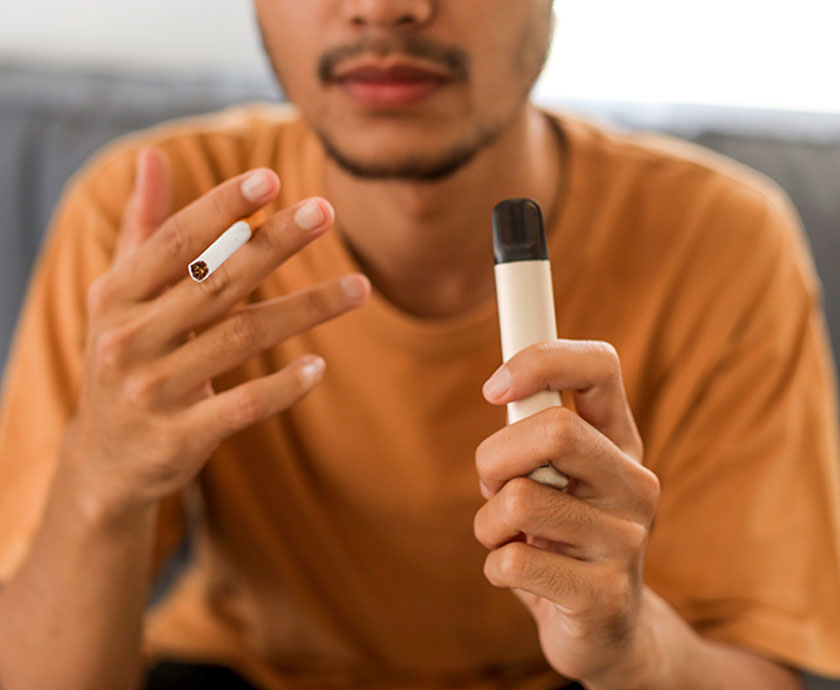
Smoking is a proven cause of lung cancer. Learn what researchers know about vaping, cancer risk, and the safest ways to quit nicotine.
If you smoke, vape, or are thinking about switching from cigarettes to vaping, you may wonder how these habits affect your risk for lung cancer.
The answer is not simple. We know a lot about the dangers of smoking cigarettes. We know less about vaping because e-cigarettes haven't been around long enough to fully understand their long-term health effects.
Here's what we know today.
Smoking Is a Major Cause of Lung Cancer
Smoking cigarettes is the leading cause of lung cancer.
Cigarette smoke contains many harmful chemicals that can damage your lungs over time. People who smoke have a much higher risk of developing lung cancer than people who have never smoked.
Smoking also raises the risk of:
- Heart disease
- Stroke
- Chronic obstructive pulmonary disease (COPD)
- Several other types of cancer
The good news is that it's never too late to quit. Your body begins to heal soon after you stop smoking, and your risk for smoking-related diseases goes down over time.
Does Vaping Cause Lung Cancer?
Right now, scientists do not know if vaping causes lung cancer.
That's because vaping products have not been around long enough to study their effects over many years.
But that does not mean vaping is safe.
Most e-cigarettes contain nicotine, which is highly addictive. Vaping can also expose your lungs to chemicals that may cause irritation and inflammation. Researchers are still studying the long-term effects of vaping on lung health.
Is Vaping Safer Than Smoking?
Smoking and vaping are not the same.
Most of the harm from cigarettes comes from burning tobacco. When tobacco burns, it releases thousands of chemicals, including many known cancer-causing substances.
E-cigarettes do not burn tobacco. Because of this, people who vape are usually exposed to fewer harmful chemicals than people who smoke cigarettes.
Even so, vaping is not harmless. Health experts agree that quitting all tobacco and nicotine products is the healthiest choice.
Can Vaping Help People Quit Smoking?
For some adults who smoke cigarettes, vaping may help them quit.
Some studies have found that nicotine e-cigarettes may help certain people stop smoking. However, vaping products are not approved by the U.S. Food and Drug Administration (FDA) as smoking-cessation medications.
There are several proven ways to quit smoking, including:
- Nicotine patches
- Nicotine gum or lozenges
- Prescription medicines, such as varenicline (Chantix) or bupropion
- Counseling and support programs
- In some cases, nicotine e-cigarettes used as part of a quit plan with your healthcare provider
Need Help Quitting?
MetroHealth offers the Nicotine Dependence Prevention and Treatment Program to help adults quit smoking, vaping and other nicotine products.
The program lasts 4 to 12 weeks and is available in person or by virtual visit.
Participants receive:
- Counseling and support
- Medication, when appropriate
- Free nicotine patches, gum, or lozenges
Most insurance plans cover many of these services.
Ready to quit? Call 216-778-3031 or email mhquitsmoking@metrohealth.org.
MetroHealth is here for everyone. If cost, transportation or other needs make it hard to get care, let your care team know. We can connect you with resources.
What About Vaping-Related Lung Injuries?
You may remember news stories about serious vaping-related lung injuries in 2019.
Investigators found that most cases were linked to THC vaping products that contained vitamin E acetate, not standard nicotine e-cigarettes.
While this information helps explain what caused those illnesses, it does not mean nicotine vaping products are risk-free.
The Best Choice for Your Health
If you don't smoke or vape, don't start.
If you vape, talk with your healthcare provider about ways to cut back or quit nicotine.
If you smoke cigarettes, quitting is one of the best things you can do for your health. There are many ways to quit, and your provider can help you find an option that works for you.
The most important goal is to stop smoking cigarettes and create a quit plan you can stick with.
Talk With Your Provider
Quitting nicotine can be difficult, but you don't have to do it alone.
Your healthcare provider can help you make a plan that fits your needs and supports your long-term health.
Ready to Schedule an Appointment?
To schedule an appointment with a primary care provider, call 216-MY-METRO (216-696-3876) or visit metrohealth.org/appointments.
Your Questions Answered
Q. Is vaping safer than smoking?
A. Vaping is not safe, but experts believe it is generally less harmful than smoking cigarettes because it does not involve burning tobacco. However, vaping still exposes you to nicotine and other potentially harmful chemicals.
Q. Can vaping help me quit smoking?
A. It may help some adults quit smoking, but vaping products are not FDA-approved quit-smoking medicines. Talk with your healthcare provider about the best option for you.
Q. What happens during a lung cancer screening?
A. A low-dose CT scan takes detailed pictures of your lungs. The test is painless, takes less than 10 minutes, and can help find lung cancer early when treatment works best.
Sources
Centers for Disease Control and Prevention (CDC). About Electronic Cigarettes (E-Cigarettes). Available at: CDC: About Electronic Cigarettes (E-Cigarettes)
Centers for Disease Control and Prevention (CDC). Health Effects of Cigarette Smoking. Available at: CDC: Health Effects of Cigarette Smoking
National Cancer Institute. Harms of Cigarette Smoking and Health Benefits of Quitting. Available at: https://www.cancer.gov/about-cancer/causes-prevention/risk/tobacco
U.S. Food and Drug Administration (FDA). E-Cigarettes, Vapes and Other Electronic Nicotine Delivery Systems (ENDS). Available at: FDA: E-Cigarettes and ENDS
Eleanor L. S. Leavens, et al. Clinical Guidance for E-Cigarette (Vaping) Cessation: Results From a Modified Delphi Panel Approach. JAMA. Available at: https://jamanetwork.com/journals/jama/fullarticle/2836834
Supplement to Clinical Guidance for E-Cigarette (Vaping) Cessation, including evidence comparing health risks associated with combustible cigarette smoking and e-cigarette use. Available at: https://jamanetwork.com/journals/jama/fullarticle/2836834
Featured Medical Providers
Featured Professionals

Jerome West, DHA, MACC, LPC, LICDC, OCPC, ICPS
Lung Cancer Screening Checklist: Do You Qualify?
You may qualify for a low-dose CT lung cancer screening if all three of these apply to you:
- You are 50 to 77 years old
- You have a 20-pack-year smoking history (For example: 1 pack a day for 20 years, or ½ pack a day for 40 years)
- You currently smoke or quit within the last 15 years
Lung cancer screening is for people who do not have symptoms. Screening guidelines are based on cigarette smoking history. If you vape or have questions about your risk, talk with your healthcare provider.
Most Medicare, Medicaid, and private insurance plans cover lung cancer screening.
Check all three boxes? Ask your MetroHealth primary care provider if lung cancer screening is right for you.
Related Links
Clearing the Air: How Indoor Pollution and Gas Stoves Affect Asthma
Learn how indoor air pollution, including gas stoves, can trigger asthma symptoms and discover practical tips to improve air quality at home.
Cleveland’s Guide to Quitting Smoking: Tips, Tools, and Community Support
Take the first step toward quitting smoking. Learn about proven tools, practical tips and support programs available in Cleveland.

Your Community and Asthma: Are You at Risk?
Where you live, work, and play can affect your asthma risk. Learn how your community impacts breathing health and what steps can help you stay well.
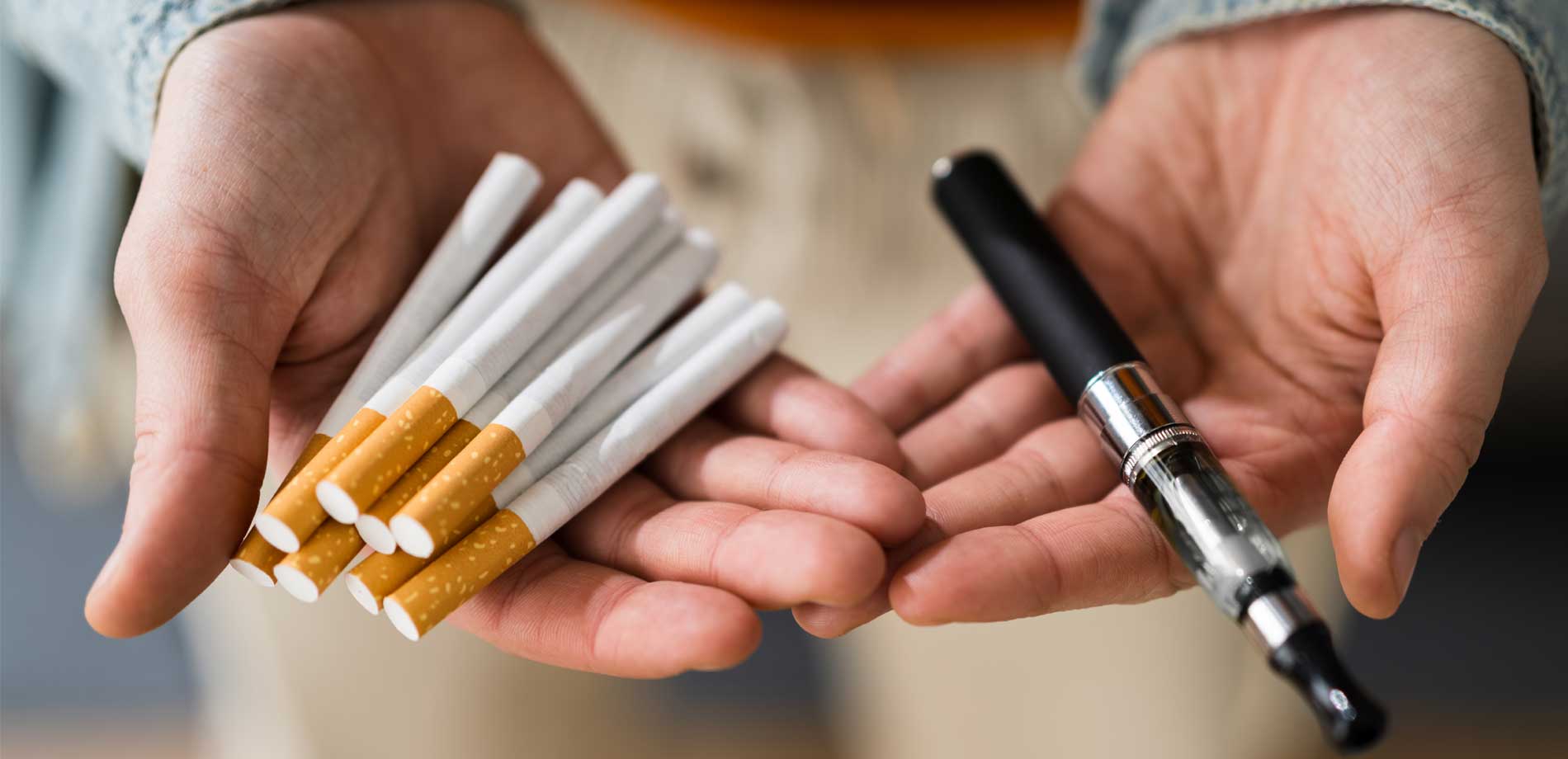
The Dangers of Vaping
Vaping may seem harmless, but it can carry significant health risks that are important to understand.

Life-Saving Lung Cancer Screenings
A simple lung cancer screening could save your life. Learn who should get screened and how early detection can improve treatment outcomes.
Stay Connected
Join Our Be SimplyWell Community
