Why You Should Pay Attention to Leg Pain

Leg pain is not always a muscle problem. It can sometimes be a sign of poor blood flow or heart disease. Learn when to seek medical care.
Peripheral Artery Disease is a slow and progressive circulation disorder caused by narrowing, blockages or spasms in a blood vessel. Organs supplied by these vessels, such as the brain, and legs may not get enough flow for proper function.
More than 12-million Americans have Peripheral Artery Disease, but it’s more common in people of color. It’s particularly important for women of color to pay attention to signs of vascular disease because cardiovascular diseases kill nearly 50,000 African-American women every year, according to the American Heart Association. On average, Hispanic women are likely to develop heart disease 10 years earlier than non-Hispanic women.
Often, Peripheral Artery Disease doesn’t have noticeable symptoms, which is why it’s called a “silent killer,” but it can cause strokes and heart attacks. Sometimes leg pain is the first sign of a problem.
Causes of Peripheral Artery Disease
The top causes of Peripheral Artery Disease include:
- Hypertension
- Diabetes
- Dyslipidemia
- Smoking
These conditions lead to atherosclerosis — the buildup of plaque inside the artery wall. Plaque reduces the amount of blood flow to the limbs. It also decreases the oxygen and nutrients available to the tissue. Blood clots may form on the artery walls, which can decrease the size of the blood vessel and block off major arteries. Your legs, stomach, heart and neck can all be impacted.
Other causes of Peripheral Artery Disease are:
- Injury to the arms or legs
- Irregular anatomy of muscles or ligaments
- Infection
- A history of coronary artery disease
Why You Should Pay Attention to Leg Pain
About half the people diagnosed with Peripheral Artery Disease are symptom free, but the most common first symptom is painful leg cramping that occurs with exercise and is made better by rest. It may occur in one or both legs, depending on the location of the clogged or narrowed artery.
Symptoms to watch for:
- Crampy pain in calves or thighs when walking
- Sores in legs that will not heal
- Pain in toes nightly that disrupts sleep
But What About Varicose Veins?
Varicose veins are not as worrisome as Peripheral Artery Disease. However, they can cause pain, swelling, and leg fatigue. These large bulging veins in the legs affect women, women who have had children, and people with obesity – in addition to people who sit or stand for extended periods of time. They also run in families.
Treatment Options
Treatment options vary from lifestyle changes, such as exercise and quitting smoking, to medication or surgery. Surgery is an option for patients who have constant pain in their legs and feet, and the pain interferes with their daily activities and work.
The MetroHealth System offers a variety of treatments for varicose veins:
- Surgery
- Ablation
- Laser treatment
- Radiofrequency
- Chemical ablation
- Sclerotherapy
Screenings Available at MetroHealth
If you want to determine your risk of heart disease, vascular disease and stroke, MetroHealth offers a variety of quick screenings.
A coronary calcium score screening heart test (coronary calcium scan) uses a special X-ray (a CT scan) to show calcium build-up in the arteries. That build-up, in turn, could indicate the presence of cholesterol-rich plaque that can cause blockages.
The results of the test are scored to indicate your risk for a future heart attack. The higher the score, the higher your risk. Before the scan, a technician attaches electrodes to the chest. The electrodes are connected to a machine that takes continuous X-ray photos in between heart beats. The actual scan itself takes about 30 seconds.
MetroHealth can also perform stress testing, ultrasound scans of the vascular system and blood work if your doctor thinks you would benefit from it.
James M. Persky, MD, a vascular surgeon at MetroHealth, urges adults, especially people of color, to pay attention to signs of early cardiovascular disease. “Peripheral Artery Disease affects more Black and Hispanic men and women than other races. It can be a silent disease. Most often, leg pain is the first sign of a problem,” he said. “It’s important for adults to understand their vascular disease risk, particularly if there is a family history of heart attacks and strokes.”
Next Steps – Make an Appointment Today
If you have leg pain or other symptoms, see your Primary Care Provider. They can recommend treatment options or refer you to the Vascular Surgery Center.
If you have a referral, schedule online through MyChart or call 216-778-4811. For more information visit metrohealth.org/vascular-surgery.
Your Questions Answered
Q. When is leg pain a sign of something serious?
A. If your legs hurt when you walk and feel better when you rest, it could be a sign of poor blood flow. Talk to your doctor if leg pain is new, worsening, or keeps you from being active.
Q. How are leg pain and heart disease connected?
A. Blocked arteries can reduce blood flow to your legs and may also increase your risk of heart attack and stroke. Leg pain can sometimes be an early warning sign of vascular disease.
Q. What can I do to lower my risk?
A. Stay active, avoid smoking, eat a heart-healthy diet, and manage conditions like high blood pressure, diabetes, and high cholesterol. Regular checkups can help catch problems early.
Featured Medical Providers
You May Also Like

Empowered Through Awareness: Taking Charge of Your Breast Health
A breast cancer diagnosis can be overwhelming, but behind every diagnosis is a story of strength, courage, and hope.

Steady Steps: Preventing Falls and Improving Balance at Any Age
Falls are one of the leading causes of injury among adults, but many falls can be prevented through awareness, education, and simple lifestyle changes.
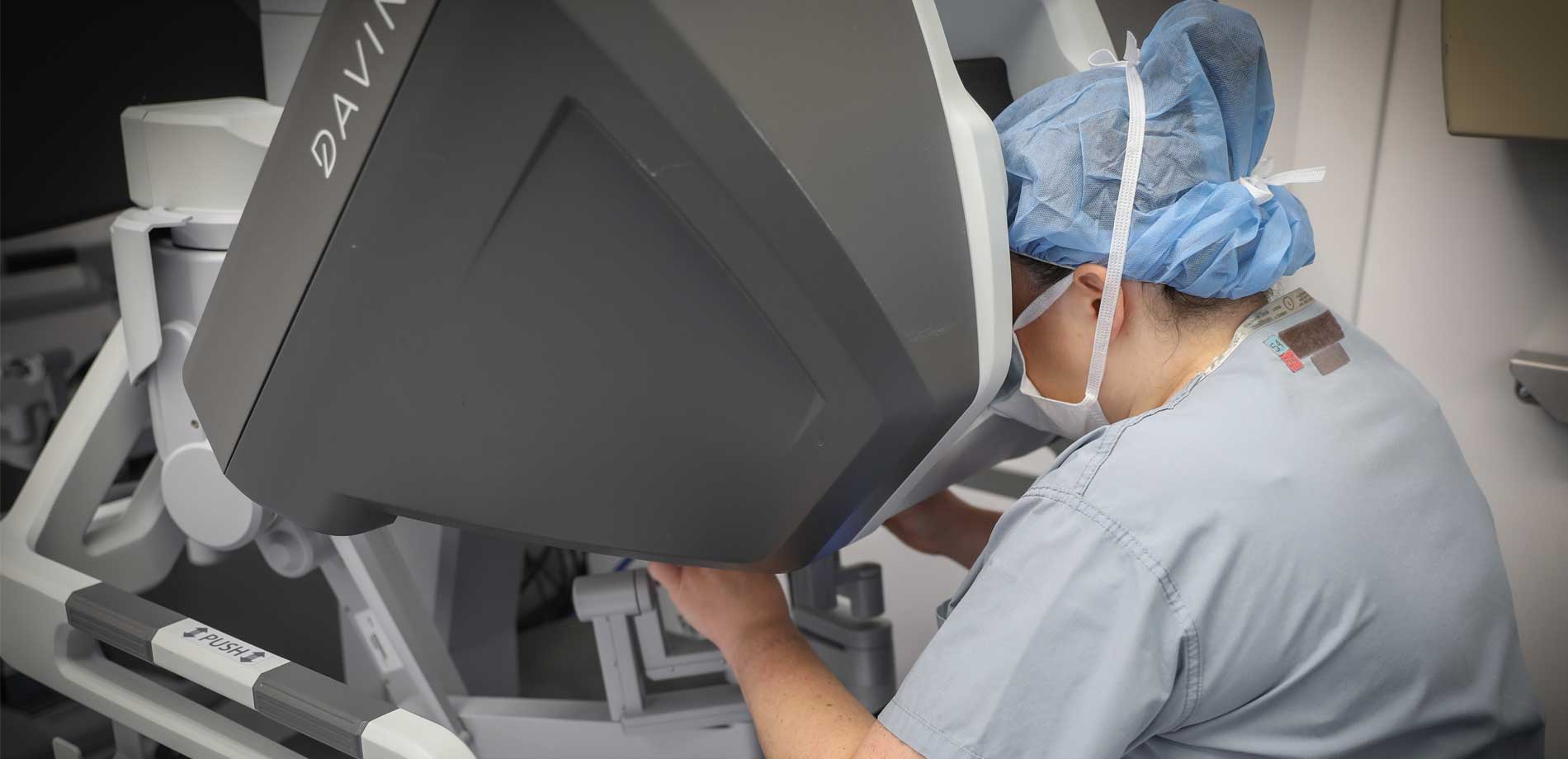
The Advantages of Robotic-Assisted Surgery
Discover how MetroHealth's advanced robotic-assisted surgery technology helps surgeons perform procedures with greater precision, leading to less pain and faster recovery.

Six Steps to Stay Ahead of Brain Health
Keep your brain healthy as you age. Learn six simple habits that can support memory, focus and overall brain health every day.

Apple Oatmeal Crisp
Difficulty: Easy

Healthy Aging Tips for 40-70 and Beyond
No matter your age, small healthy choices can make a big difference. Explore practical tips for healthy aging from your 40s through your 70s and beyond.

Swing Strong: Golf Joint Health and Injury Prevention
Learn expert tips to protect your joints, improve mobility, and stay injury-free on and off the course.

Back-to-School Sports Safety
Sports help kids grow stronger, build confidence and learn important life skills. Here’s how parents can help keep them safe all season long.

Help Your Hearing: Recognizing Early Signs of Hearing Loss
Are you noticing a difference in how you hear? You’re not alone. Hearing loss is common and can be overlooked in the early stages.
Stay Connected
Join Our Be SimplyWell Community