Solving Your Back Pain Mystery: Could it be Sciatica, a Herniated Disc, or something more?
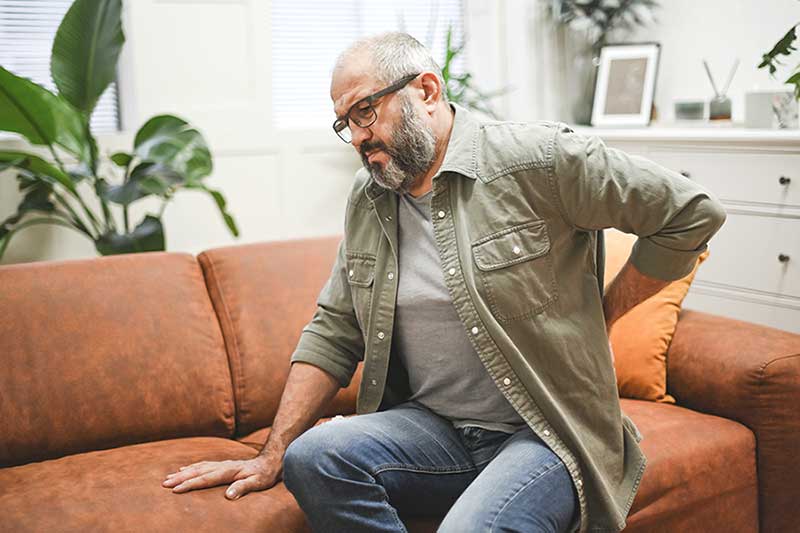
Not all back pain is the same. Discover what your symptoms may be telling you and how to find the right path to relief.
Back pain is tough to live with, getting in the way of everything from sleep to work to simply enjoying your life. To help you find out what’s wrong and how to fix it, we talked to Terence Hillery, MD, a MetroHealth pain medicine doctor who specializes in spine care.
Although there are many reasons why your spine may not be fine, it’s important to receive a proper diagnosis. Understanding your symptoms and seeing a spine specialist can help you get the care you need.
What does sciatica feel like?
Sciatica is a common term for pain in your back plus pain in your leg. It usually means a nerve is being pinched in your spine. Your sciatic nerve is actually a bundle of nerves that branch out from your spine, down each leg.
What’s tricky is that your spine is full of nerves that wrap around and extend down your legs. You can have pain from any nerve that’s pinched or irritated. Sciatica has simply become the catch-all term.
The medical term for the most common type of spinal pain due to a pinched nerve is radiculopathy. It means something is pressing on a nerve, causing pain and sometimes noticeable weakness.
What does a herniated disc feel like?
A herniated disc appears as a disc pushed out of place on a CT or MRI scan. If the disc is also torn, you can also feel pain in your back. When you have a herniated disc, it may pinch a nerve, sometimes causing pain to radiate down a leg or an arm.
A common cause of a herniated disc is lifting something improperly.
Most of the time, back pain or back-and-leg pain will get better on their own with a few weeks of care and attention. The best thing to do is keep moving, don’t stay in bed (but don’t lift any couches!). If you’re still in pain in about three weeks, it’s time to see a doctor.
One red flag: If you’re experiencing numbness in your butt and having any issues using the bathroom after a back injury, you should head to the emergency department immediately.
How are these conditions diagnosed?
A doctor will talk to you about symptoms and medical history, and ask for details about your pain, when it started and where you feel it. Your doctor may also order tests such as an X-ray or MRI.
How are these conditions treated?
Don’t worry that you will need surgery. Most doctors will want you to try other ways of easing pain before you see a surgeon. You might try:
- Over-the-counter medication, such as an anti-inflammatory pain reliever like Tylenol.
- Physical therapy. At MetroHealth, a pain medicine doctor can refer you to physical therapy, with specialized therapists who treat spinal pain.
- Spinal injections. It may be appropriate to inject a pain-relieving medication directly into your spine. This is typically offered after first ordering testing and trying something less invasive, such as physical therapy
Spine Care at MetroHealth
The MetroHealth Spine Center provides expert, personalized care for your needs. Our team of doctors, surgeons, pain specialists, and physical therapists work together to create a care plan that helps you feel better and get moving again. Whether you’re dealing with a herniated disc, sciatica, or another spinal issue, we’re here to help you get back to what matters most.
MetroHealth Spine Center
To schedule an appointment, call 216-778-3700.
For more information, visit metrohealth.org/spine-care.
Featured Medical Providers
You May Also Like

Empowered Through Awareness: Taking Charge of Your Breast Health
A breast cancer diagnosis can be overwhelming, but behind every diagnosis is a story of strength, courage, and hope.

Steady Steps: Preventing Falls and Improving Balance at Any Age
Falls are one of the leading causes of injury among adults, but many falls can be prevented through awareness, education, and simple lifestyle changes.
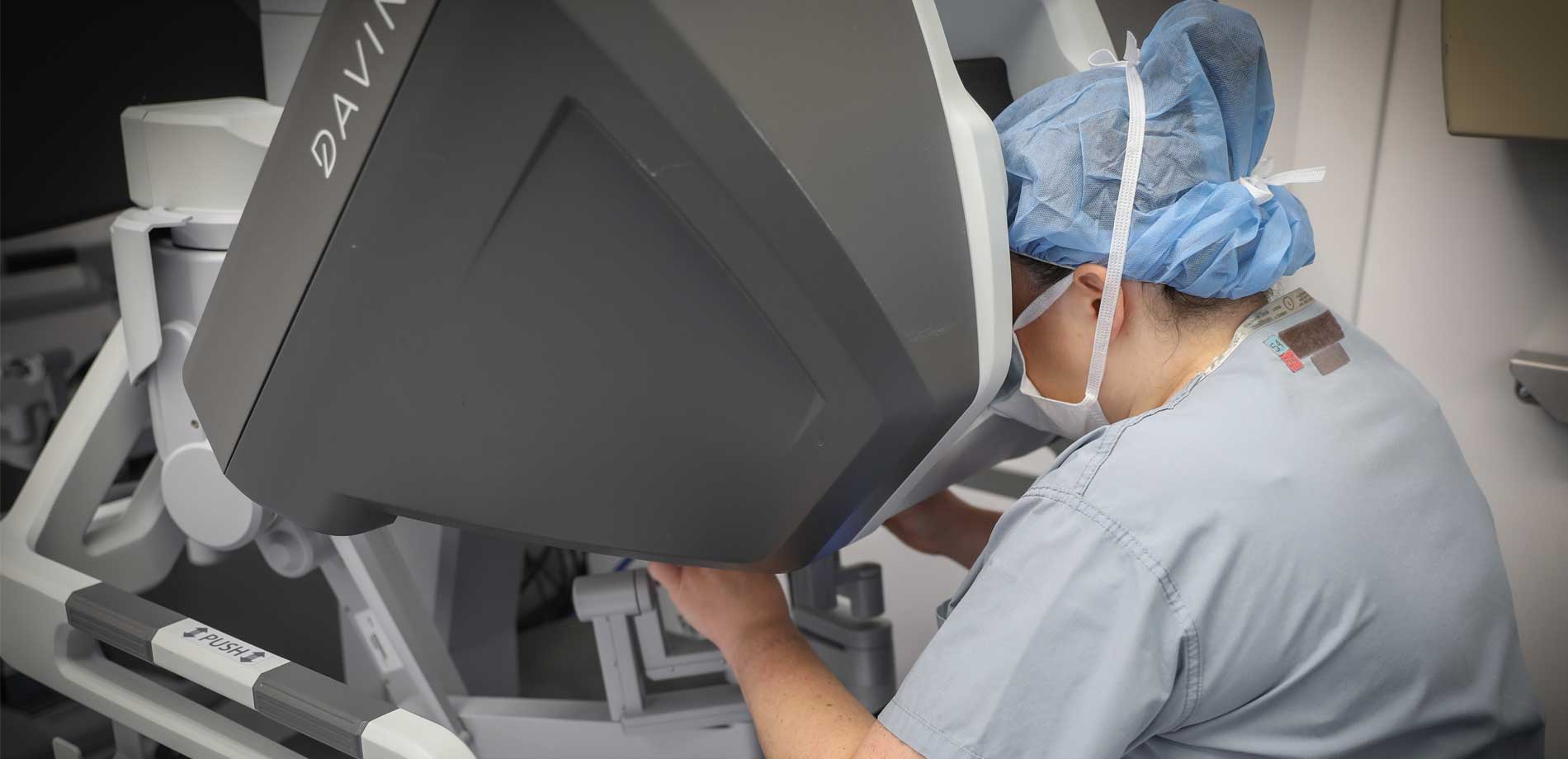
The Advantages of Robotic-Assisted Surgery
Discover how MetroHealth's advanced robotic-assisted surgery technology helps surgeons perform procedures with greater precision, leading to less pain and faster recovery.

Six Steps to Stay Ahead of Brain Health
Keep your brain healthy as you age. Learn six simple habits that can support memory, focus and overall brain health every day.

Apple Oatmeal Crisp
Difficulty: Easy

Healthy Aging Tips for 40-70 and Beyond
No matter your age, small healthy choices can make a big difference. Explore practical tips for healthy aging from your 40s through your 70s and beyond.

Swing Strong: Golf Joint Health and Injury Prevention
Learn expert tips to protect your joints, improve mobility, and stay injury-free on and off the course.

Back-to-School Sports Safety
Sports help kids grow stronger, build confidence and learn important life skills. Here’s how parents can help keep them safe all season long.

Help Your Hearing: Recognizing Early Signs of Hearing Loss
Are you noticing a difference in how you hear? You’re not alone. Hearing loss is common and can be overlooked in the early stages.
Stay Connected
Join Our Be SimplyWell Community