Six Steps to Stay Ahead of Brain Health

Healthy habits like exercise, good sleep, healthy eating, and staying connected can help keep your brain strong, active, and sharp as you age.
Most people want to stay sharp, independent and active as they get older. While some changes in memory are a normal part of aging, healthy habits can help protect your brain and lower your risk of dementia.
According to Carol Swetlik, MD, a neurologist at MetroHealth, nearly half of dementia cases are linked to risk factors that may be preventable or treatable. That means there are steps you can take today to support your brain health.
Agnieszka Ardelt, MD, Chair of Neurology at MetroHealth, emphasizes that brain health starts early and is shaped by the choices we make throughout life.
"Taking care of your brain is a lifelong process," says Dr. Ardelt. "Managing conditions like high blood pressure, diabetes and high cholesterol, avoiding smoking, and talking with your healthcare provider about memory concerns can help protect brain health as you age."
Here are six simple ways to help keep your brain healthy at every stage of life.
1. Keep Blood Pressure, Cholesterol and Diabetes Under Control
High blood pressure, high cholesterol and diabetes can damage blood vessels throughout your body, including the ones that carry blood to your brain. Over time, this can increase the risk of memory problems and dementia.
Many people do not know they have these conditions because they often cause no symptoms in the early stages.
Make sure to:
- See your healthcare provider for regular checkups.
- Know your blood pressure, cholesterol and blood sugar numbers.
- Take medications as prescribed.
- Follow healthy lifestyle habits.
Taking care of your heart also helps take care of your brain.
2. Stay Active in Body and Mind
Regular physical activity helps increase blood flow to the brain. It also supports memory, learning and overall health.
Try activities such as:
- Walking
- Biking
- Swimming
- Dancing
- Strength training
Keeping your mind active is important, too. Consider:
- Reading
- Doing crossword puzzles or Sudoku
- Learning a new hobby
- Joining a book club
- Taking a class
A healthy brain loves new challenges.
3. Eat Foods That Support Brain Health
What you eat can affect how well your brain works.
A Mediterranean-style diet has been linked to better brain health. Focus on foods like:
- Fruits and vegetables
- Whole grains
- Fish
- Nuts and seeds
- Beans
- Olive oil
Try to limit:
- Sugary drinks
- Processed snacks
- Fried foods
Many products claim to boost memory, but most over-the-counter brain supplements have not been proven to improve brain function. A healthy diet is still one of the best ways to support your brain.
4. Make Sleep a Priority
Your brain needs sleep to recharge. Good sleep helps with memory, learning and mood.
To improve sleep:
- Go to bed at the same time each night.
- Wake up at the same time each morning.
- Limit screens before bedtime.
- Keep your bedroom cool, dark and quiet.
If you snore loudly, stop breathing during sleep or feel tired during the day, talk with your healthcare provider. These may be signs of sleep apnea, a condition that can affect brain health.
5. Stay Connected and Take Care of Your Hearing and Vision
Spending time with family, friends and your community is good for your brain. People who stay socially connected tend to have better brain health.
Ways to stay engaged include:
- Volunteering
- Joining clubs or community groups
- Taking classes
- Attending local events
- Spending time with friends and loved ones
Hearing and vision are important, too. Difficulty hearing or seeing can make social activities harder and may cause people to spend more time alone.
Regular hearing and eye exams can help you stay connected and active.
6. Don't Smoke, Limit Alcohol and Protect Your Head
Smoking damages blood vessels and raises the risk of dementia, stroke and other serious health problems. If you smoke, quitting is one of the best things you can do for your brain and body.
Alcohol can also affect brain health. It is best not to drink alcohol, but if you do drink, it's important to limit how much:
- For women, no more than one drink a day.
- For men, no more than two drinks a day. Less is even better.
It's also important to protect your head from injury.
- Wear a helmet when biking or playing sports.
- Use seat belts.
- Take steps to prevent falls at home.
People who have had concussions or other head injuries should be especially careful, since brain injuries can affect long-term brain health.
Know the Signs and Get Checked
Talk with your healthcare provider if memory problems start affecting your daily life.
Changes in memory, thinking, mood, personality or balance are not always caused by dementia. They can also be linked to other treatable conditions, such as:
- Vitamin deficiencies
- Thyroid problems
- Sleep disorders
- Medication side effects
- Anxiety
- Depression
Getting checked early can help identify the cause and connect you with the right treatment and support.
The Bottom Line
While some memory changes are a normal part of aging, many factors that affect brain health are within your control. Healthy habits like staying active, eating well, getting enough sleep, managing health conditions and staying connected can help keep your brain strong for years to come.
Worried about changes in your memory or thinking? Don't ignore them.
Talk with your primary care provider. Memory problems, balance issues or changes in mood can be related to aging, but they may also be caused by treatable conditions such as sleep problems, anxiety, depression or medication side effects.
Ready to Make an Appointment?
To request an appointment with a Women’s Health Team provider, call 216‑778‑4444, schedule through MyChart, or fill out the form below.
To learn more about Women’s Health at MetroHealth, visit metrohealth.org/obgyn.
Need to see a brain health specialist?
Call 216-778-3958 to schedule a neurology appointment, or visit metrohealth.org/neurologic-care to learn more.
Your Questions Answered
Q. Is memory loss a normal part of aging?
A. Some mild forgetfulness can happen as you get older, such as occasionally misplacing items or forgetting a name. However, memory problems that interfere with daily life are not a normal part of aging. If you notice changes in memory, thinking, personality or balance, talk with your healthcare provider.
Q. What foods are good for brain health?
A. A brain-healthy diet includes fruits, vegetables, whole grains, fish, nuts, beans and healthy fats like olive oil. Limiting sugary drinks, processed foods and fried foods may also help support brain health. Eating well can benefit both your brain and your heart.
Q. When should I see a doctor about memory concerns?
A. It's a good idea to talk with your healthcare provider if memory problems are affecting your daily activities, relationships or work. Early evaluation can help identify whether symptoms are related to aging, medication side effects, sleep problems, anxiety, depression or another treatable condition. Early care can help you get the support you need.
Featured Medical Providers
You May Also Like

Empowered Through Awareness: Taking Charge of Your Breast Health
A breast cancer diagnosis can be overwhelming, but behind every diagnosis is a story of strength, courage, and hope.

Steady Steps: Preventing Falls and Improving Balance at Any Age
Falls are one of the leading causes of injury among adults, but many falls can be prevented through awareness, education, and simple lifestyle changes.
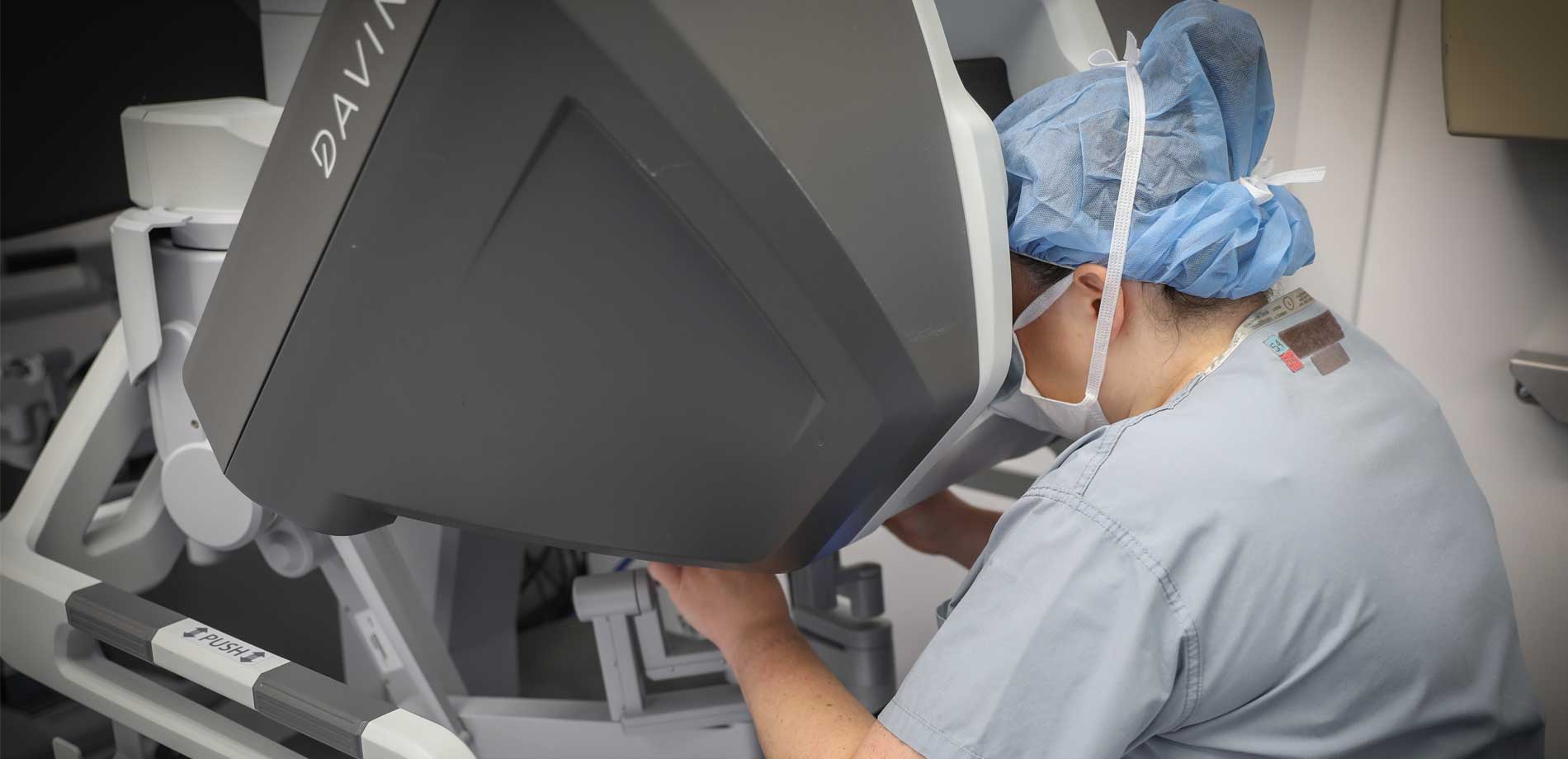
The Advantages of Robotic-Assisted Surgery
Discover how MetroHealth's advanced robotic-assisted surgery technology helps surgeons perform procedures with greater precision, leading to less pain and faster recovery.

Apple Oatmeal Crisp
Difficulty: Easy

Healthy Aging Tips for 40-70 and Beyond
No matter your age, small healthy choices can make a big difference. Explore practical tips for healthy aging from your 40s through your 70s and beyond.
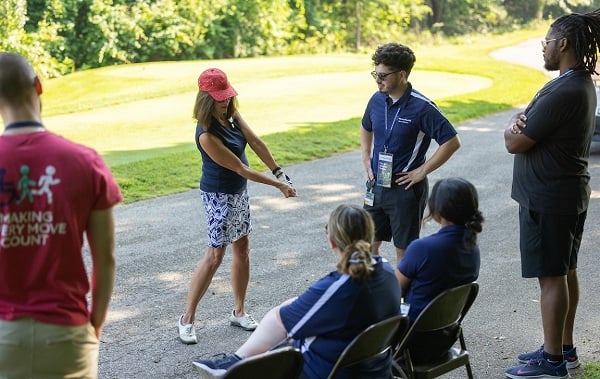
Swing Strong: Golf Joint Health and Injury Prevention
Learn expert tips to protect your joints, improve mobility, and stay injury-free on and off the course.

Back-to-School Sports Safety
Sports help kids grow stronger, build confidence and learn important life skills. Here’s how parents can help keep them safe all season long.

Help Your Hearing: Recognizing Early Signs of Hearing Loss
Are you noticing a difference in how you hear? You’re not alone. Hearing loss is common and can be overlooked in the early stages.
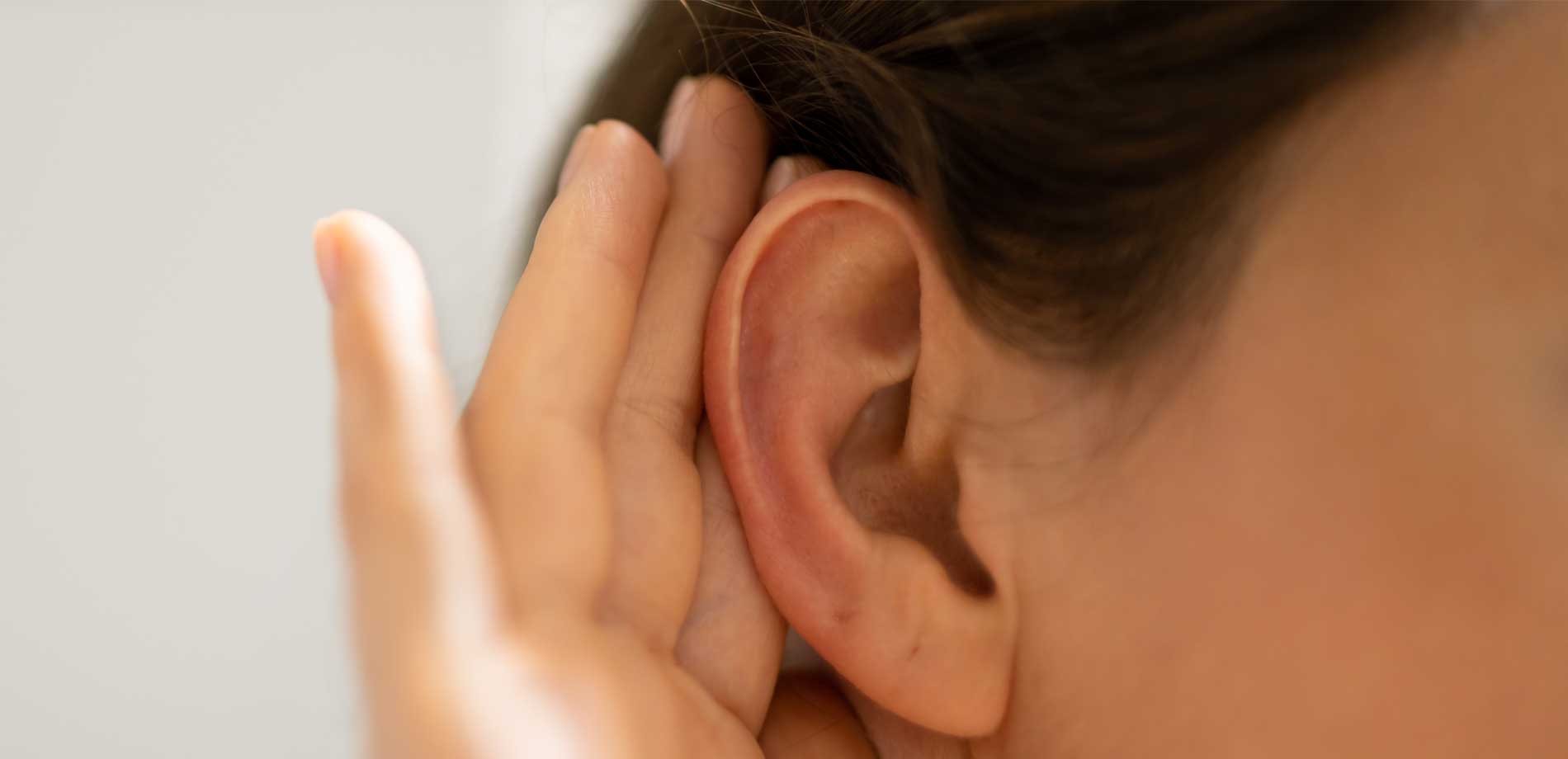
Signs of Hearing Loss and When to Seek Help
Frequently asking people to repeat themselves? Learn the common signs of hearing loss, when to get a hearing test and when it's time to seek help.
Stay Connected
Join Our Be SimplyWell Community