Q&A with a Pharmacist: Common Heart Medicines and How They Work

If your doctor has prescribed a heart medication, you may have questions. This pharmacist Q&A explains common types of heart medications in simple, easy-to-understand language.
Five Common Heart Medications
There are several medications your provider can prescribe to treat various cardiac conditions. Common conditions that might require medication include high blood pressure, high cholesterol, an irregular heartbeat, a lack of blood flow to the heart, blood clots and heart failure.
Direct Oral Anticoagulants
Anticoagulants – often called “blood thinners” – are used to treat or prevent blood clots. Blood clots are dangerous because they can travel through the arteries or veins into the brain or heart, which can cause a stroke or heart attack. Because Direct Oral Anticoagulants are so effective, they don’t require regular blood testing or special diets like other anticoagulants.
Common types: Rivaroxaban (Xarelto), Apixaban (Eliquis), Dabigatran (Pradaxa), Edoxaban (Savaysa)
Statins
Your primary care provider will likely check your cholesterol with a simple blood test. High levels of LDL cholesterol – the “bad” cholesterol – can increase your risk for heart disease or a stroke. Statins help lower LDL levels and boost HDL levels (the “good” cholesterol). Statins also lower triglycerides, another type of fat in your body.
Common types: Atorvastatin (Lipitor), Simvastatin (Zocor), Lovastatin (Mevacor), Pitavastatin (Livalo), Pravastatin (Pravachol), Rosuvastatin (Crestor), Fluvastatin (Lescol)
Diuretics (Water Pills)
A weak heart pumps less blood to your kidneys, which can cause water retention and result in swollen legs and ankles. If that is the case, your provider may prescribe a diuretic, which can help rid your body of extra fluids.
Common types: Furosemide, bumetanide, torsemide
Sodium-Glucose Cotransporter 2 Inhibitors
SGLT2 inhibitors are typically used to treat Type 2 diabetes but have increasingly shown benefits for patients with heart failure. They can help the kidneys excrete sodium and improve the way the heart contracts and relaxes.
Common types: dapagliflozin (Farxiga), empagliflozin (Jardiance)
It’s always important to take medications as prescribed and to understand any possible side effects.
Ready to Schedule an Appointment?
To schedule an appointment with a primary care provider, call 216-MY-METRO (216-696-3876) or visit metrohealth.org/appointments.
Have Questions?
Contact the phone number on your prescription bottle or call 216-957-6337(MEDS).
You do not need to be a MetroHealth patient to use our pharmacy services.
For more information, see metrohealth.org/pharmacies or visit one of our many convenient locations, including a 24/7 drive thru pharmacy.
Refills can be requested by logging into your MyChart.
Featured Professionals
Brittany Passerell, PharmD
Specialty Pharmacist
Megan Valente, PharmD
Heart Failure Clinical SpecialistYou May Also Like

Empowered Through Awareness: Taking Charge of Your Breast Health
A breast cancer diagnosis can be overwhelming, but behind every diagnosis is a story of strength, courage, and hope.

Steady Steps: Preventing Falls and Improving Balance at Any Age
Falls are one of the leading causes of injury among adults, but many falls can be prevented through awareness, education, and simple lifestyle changes.
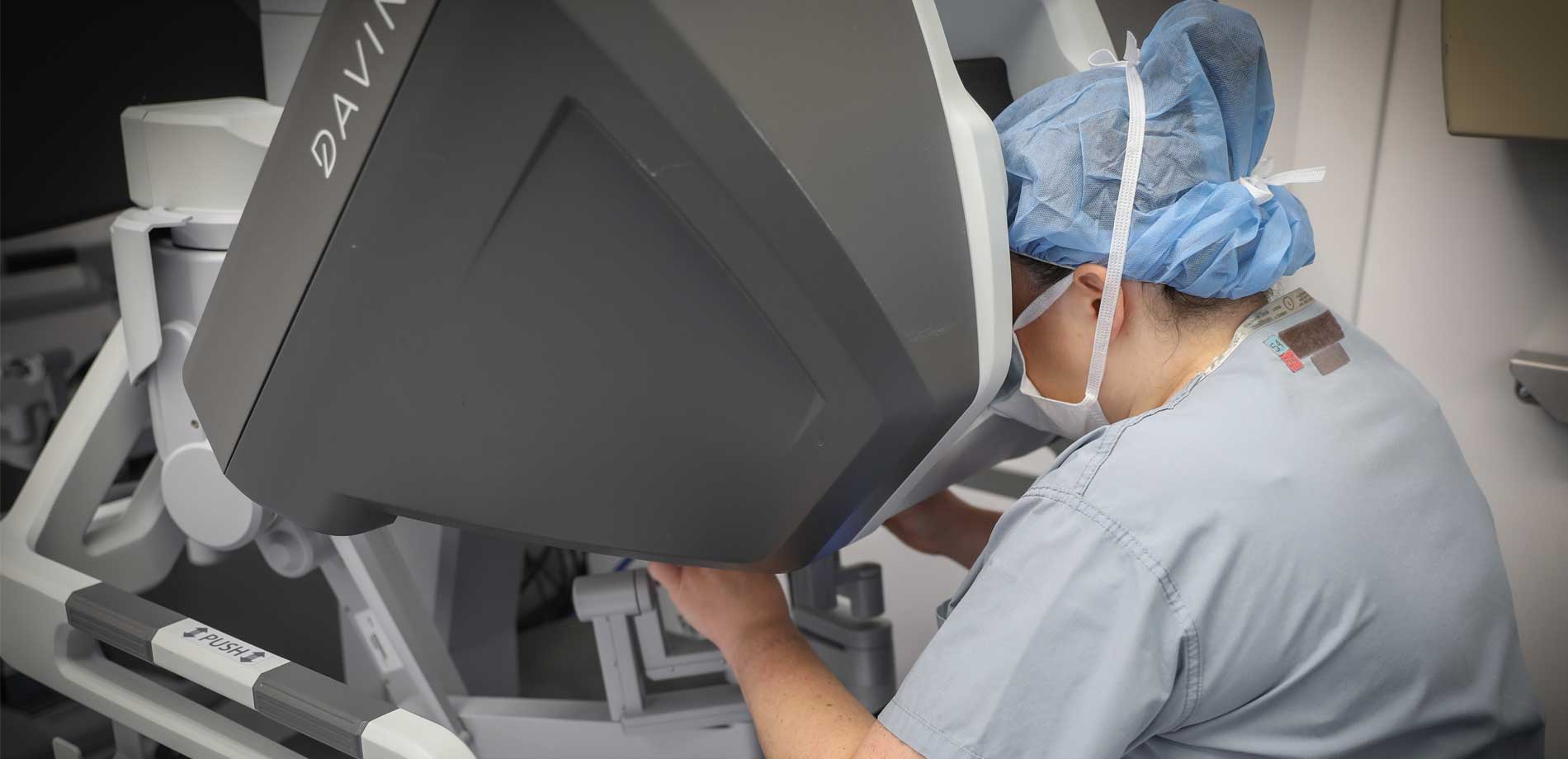
The Advantages of Robotic-Assisted Surgery
Discover how MetroHealth's advanced robotic-assisted surgery technology helps surgeons perform procedures with greater precision, leading to less pain and faster recovery.

Six Steps to Stay Ahead of Brain Health
Keep your brain healthy as you age. Learn six simple habits that can support memory, focus and overall brain health every day.

Apple Oatmeal Crisp
Difficulty: Easy

Healthy Aging Tips for 40-70 and Beyond
No matter your age, small healthy choices can make a big difference. Explore practical tips for healthy aging from your 40s through your 70s and beyond.

Swing Strong: Golf Joint Health and Injury Prevention
Learn expert tips to protect your joints, improve mobility, and stay injury-free on and off the course.


Back-to-School Sports Safety
Sports help kids grow stronger, build confidence and learn important life skills. Here’s how parents can help keep them safe all season long.

Help Your Hearing: Recognizing Early Signs of Hearing Loss
Are you noticing a difference in how you hear? You’re not alone. Hearing loss is common and can be overlooked in the early stages.
Stay Connected
Join Our Be SimplyWell Community