Protect Your Vision After 50: Screen for Macular Degeneration
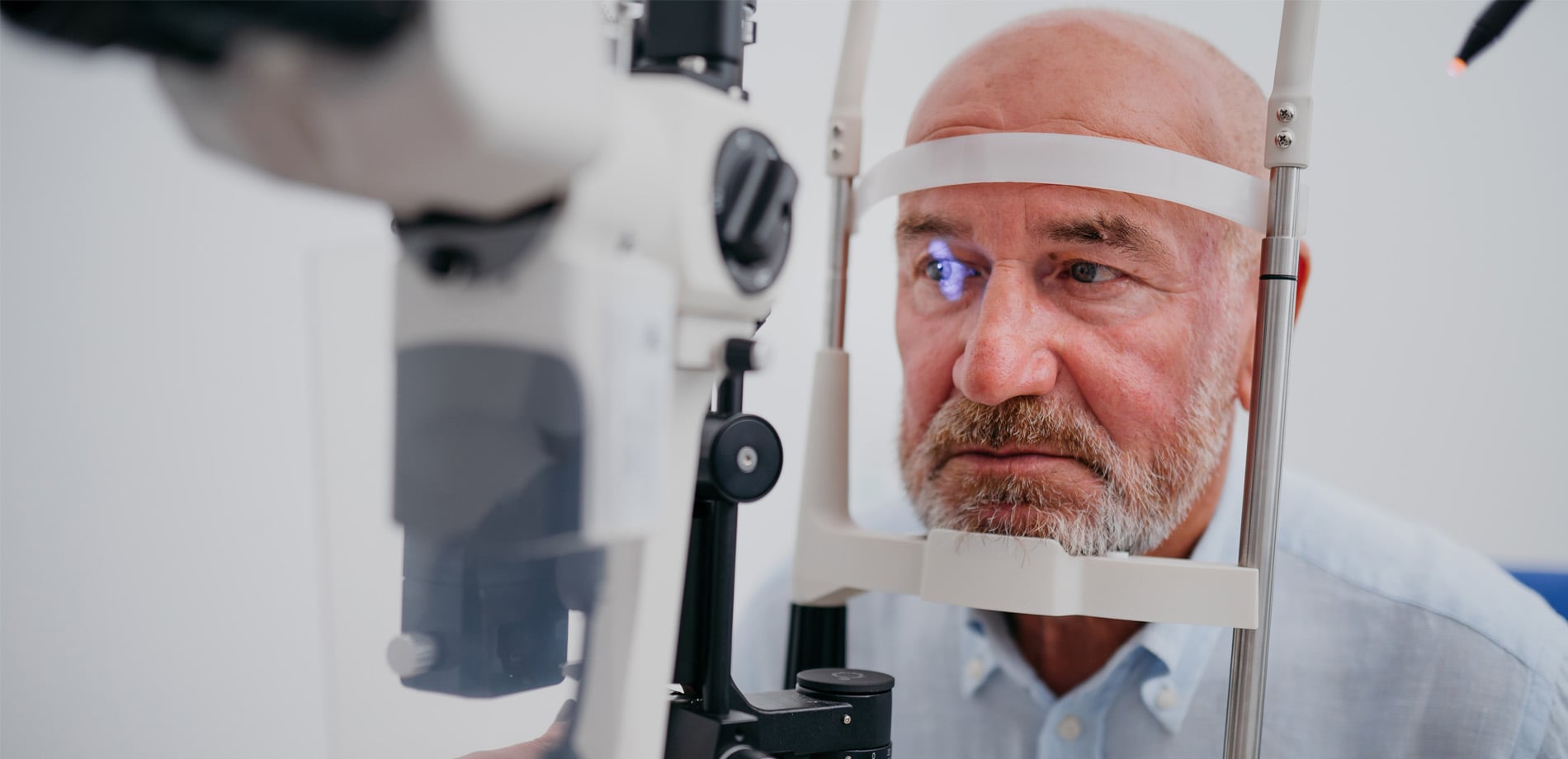
Protect your vision as you age. Regular eye exams can help detect macular degeneration early, when treatment may be most effective.
Macular degeneration is the leading cause of irreversible vision loss for people older than 50, says Ralph Stewart, M.D., an ophthalmologist and medical retina specialist with MetroHealth. In the U.S., it’s the most common cause of legal blindness.
What is age-related macular degeneration?
The macula is the center part of your retina (the retina is the light-sensitive part in the back of your eye). The macula is what gives you all of your sharp, central vision.
In some people, the macular tissue can start to slowly die. As it dies, your vision becomes less sharp. There are two main types of macular degeneration:
- Dry macular degeneration: This is the most common. Parts of the macula get thinner and little clumps of protein grow. This causes you to lose vision slowly.
- Wet macular degeneration: This is less common but more serious. Abnormal vessels start to grow in the macular area and can leak blood and cause scarring. Vision loss happens much faster with the wet type. About 20% of people with dry macular degeneration will develop wet macular degeneration.
Who is at risk?
You can have the beginnings of macular degeneration and not know it. By the time you begin to lose sharpness in your vision, it can be too late. It’s called age-related macular degeneration for a reason. Age is the biggest risk factor.
By the time you turn 50, you should be getting screened for macular degeneration at least every 3 years. By the time you’re 60, those screenings should happen every other year.
The only way to truly screen for macular degeneration is with a dilated eye exam. It’s an easy, non-invasive exam your eye doctor can do in the office.
Aside from age, other risk factors for macular degeneration are:
- Having lighter-colored eyes
- Being white
- Smoking
- Having hypertension (high blood pressure)
- Family history of macular degeneration
Macular degeneration treatments
There are some treatments, but they are very specific to the type and stage of macular degeneration.
- Special vitamins can decrease the risk of dry macular degeneration progressing to wet macular degeneration.
- For wet macular degeneration, several medicines have come out in the last 15 to 20 years. These are given as periodic injections into the eye. If they are done in a timely manner — before the problem progresses too far — they can bring back vision someone has lost.
- There are also some newer injectable medicines that have been approved for the advanced dry form of macular degeneration as well.
You may not be able to prevent age-related macular degeneration, but you can control certain risk factors (like not smoking) and get your screenings.
Protect your vision by scheduling a comprehensive eye exam with your optometrist or ophthalmologist (eye doctor) to get screened for age-related macular degeneration, especially if you are over 50 years old.
Schedule an Eye Exam
To schedule an appointment at one of our Eye Care Clinics, call 216-778-4391.
For more information, visit metrohealth.org/eye-care.
Your Questions Answered
Q. What is macular degeneration?
A. Macular degeneration is an eye disease that can cause blurry or missing spots in your central vision. It is most common in people over age 50.
Q. Who should be screened for macular degeneration?
A. Adults age 50 and older should have regular eye exams. You may be at higher risk if you smoke or have a family history of the disease.
Q. Can macular degeneration be treated?
A. While there is no cure, treatment may help slow vision loss. Finding the disease early through regular eye exams gives you the best chance to protect your sight.
Featured Medical Providers
You May Also Like

Empowered Through Awareness: Taking Charge of Your Breast Health
A breast cancer diagnosis can be overwhelming, but behind every diagnosis is a story of strength, courage, and hope.

Steady Steps: Preventing Falls and Improving Balance at Any Age
Falls are one of the leading causes of injury among adults, but many falls can be prevented through awareness, education, and simple lifestyle changes.
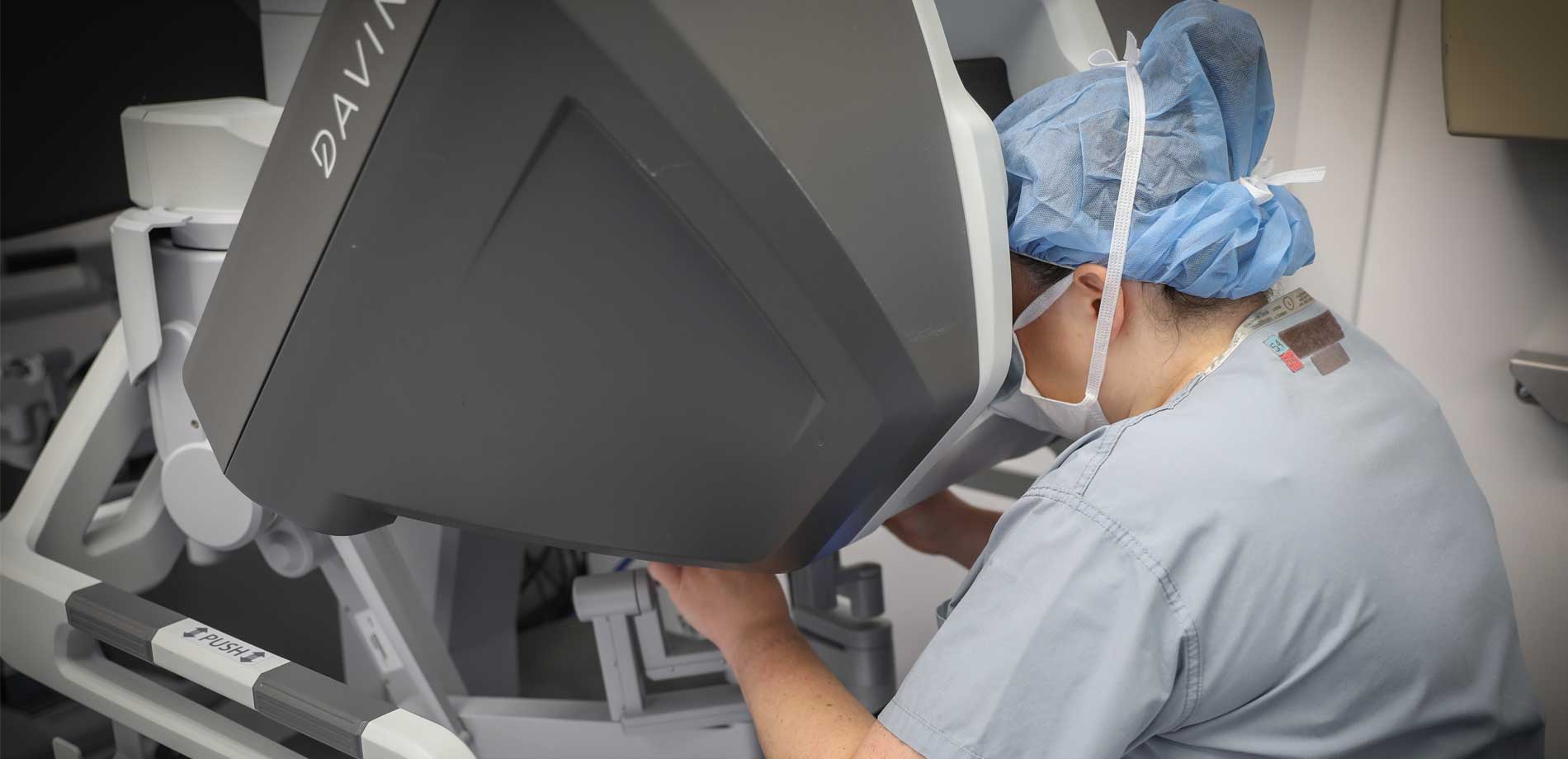
The Advantages of Robotic-Assisted Surgery
Discover how MetroHealth's advanced robotic-assisted surgery technology helps surgeons perform procedures with greater precision, leading to less pain and faster recovery.

Six Steps to Stay Ahead of Brain Health
Keep your brain healthy as you age. Learn six simple habits that can support memory, focus and overall brain health every day.

Apple Oatmeal Crisp
Difficulty: Easy

Healthy Aging Tips for 40-70 and Beyond
No matter your age, small healthy choices can make a big difference. Explore practical tips for healthy aging from your 40s through your 70s and beyond.

Swing Strong: Golf Joint Health and Injury Prevention
Learn expert tips to protect your joints, improve mobility, and stay injury-free on and off the course.


Back-to-School Sports Safety
Sports help kids grow stronger, build confidence and learn important life skills. Here’s how parents can help keep them safe all season long.

Help Your Hearing: Recognizing Early Signs of Hearing Loss
Are you noticing a difference in how you hear? You’re not alone. Hearing loss is common and can be overlooked in the early stages.