Keep Your Skin Safe
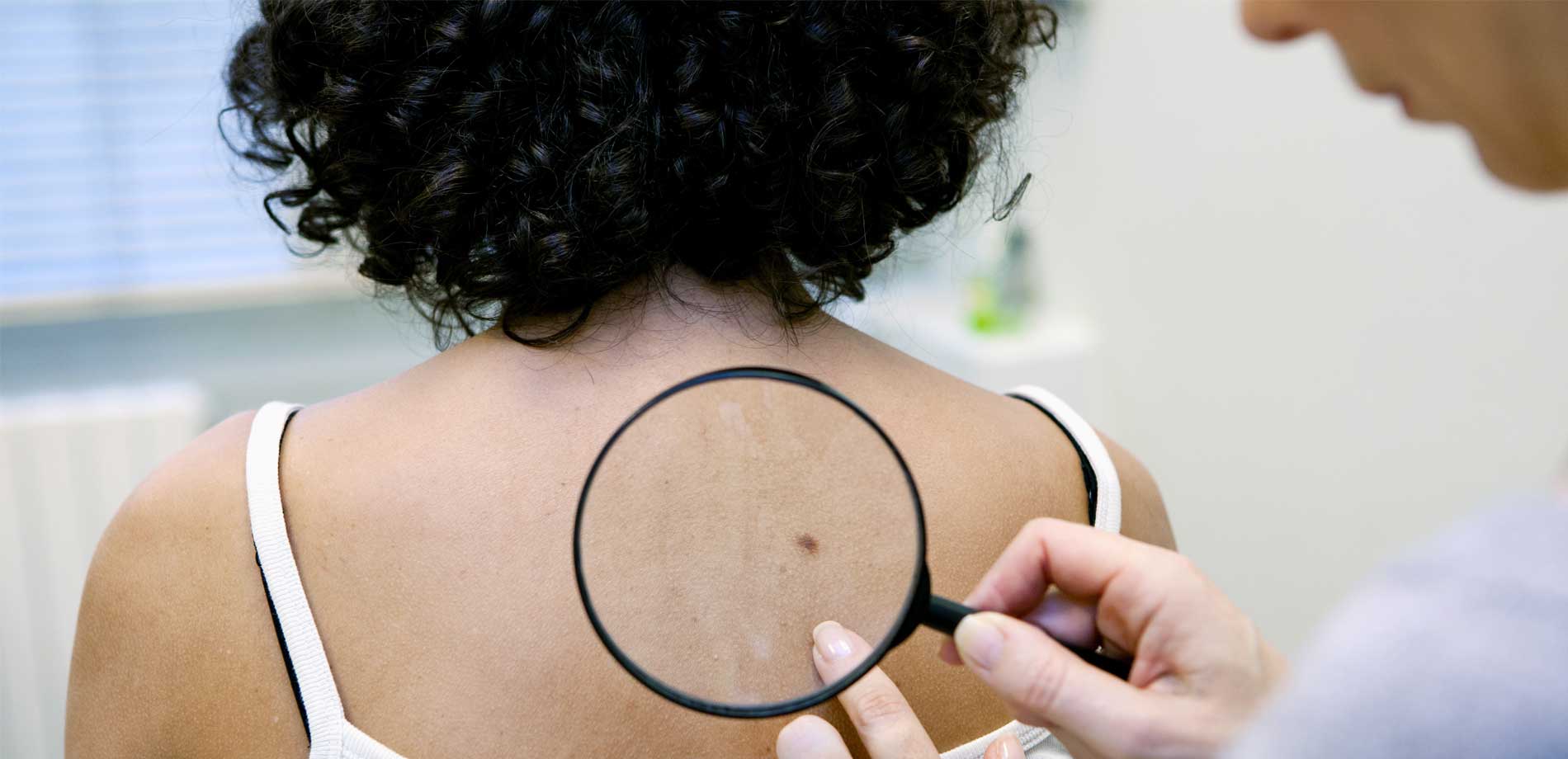
With sunnier days finally here, it’s time to protect your skin from any potential skin damage, including melanoma.
It may surprise you to learn that skin cancer is by far the most common cancer in the United States. It’s true: One in five people will develop skin cancer in their lifetime.
Even though melanoma makes up about 1% of skin cancers, it accounts for the most deaths. MetroHealth dermatologists explain why we should protect our skin from the sun’s damaging UV rays.
Melanoma is a type of skin cancer that develops when melanocytes, cells that normally make melanin (which is what gives skin its color and protects the deeper layers of skin) begin growing out of control. It’s much less common than other types of skin cancer. But it’s the most dangerous and can be fatal.
Prevention and early treatment are key.
Melanoma can happen anywhere on your body. Common sites and risks are different for men, women, and people with lighter vs. darker skin.
Lighter-skinned men may get melanoma on their back or chest, and lighter-skinned women may see it on their legs. People with darker skin have a lower risk of melanoma overall. But people of color face a higher risk of life-threatening melanoma than people with fairer skin because it’s often found in the later stages of disease. Black people often have acral lentiginous melanoma (ALM), a type found on the palms, soles of the feet, or beneath the nails
Catching melanoma early increases your chances of long-term survival. To spot problems, check your skin from head to toe each month in front of a full-length mirror, even in areas with low sun exposure, such as your groin, buttocks, and bottoms of your feet. Use a handheld mirror to look at your back and top of your head. Also, look closely at the skin on your palms and around your mouth and nails.
A new spot or a spot on your skin that changes in color, shape, or size is the most common sign of melanoma. You might also develop an ugly duckling sign—a spot that looks different than other skin spots.
If you have these melanoma warning signs, schedule an appointment with your doctor or a dermatologist.
How To Protect Your Skin
Protecting your skin from harmful UV rays lowers your risk of melanoma and other skin cancers. Follow these tips when outdoors:
1. Shade.
Stay in the shade when possible.
2. Cover up.
- Look for clothing and swimwear with built-in SPF.
- Wear hats to protect your head.
- You can also get melanoma in your eyes, so wear sun-protective sunglasses.
3. Use sunscreen.
Choose a broad-spectrum sunscreen with a sun protection factor (SPF) of 30 or higher. It can block 97% of UVA and UVB rays. The higher the SPF, the more protection. Reapply your sunscreen throughout the day, especially after sweating and swimming.
4. Avoid tanning beds and sunlamps, which give off harmful UV rays.
Tanning bed use is linked with an increased risk of melanoma, especially if you started using them before age 30.
5. Schedule a Yearly Skin Check.
One of the best ways to care for your skin is to schedule a yearly skin check with a board-certified dermatologist.
MetroHealth Dermatology
MetroHealth’s team of dermatologists offers state-of-the-art tools and training to diagnose and treat a variety of skin conditions and diseases.
To schedule an appointment, call 216-778-3376 (DERM).
Visit us online at: metrohealth.org/dermatology
Schedule an Exam
Referrals are not required. Call 216-778-DERM (3376) to schedule an appointment. For more information, visit metrohealth.org/dermatology.
Need urgent skin care?
Your skin health shouldn’t wait. If you have a rash, acne flare-up, itchy skin or a concerning spot, our specialists are ready to help.
- Appointments can be scheduled at any dermatology location with openings that day.
- Pediatric appointments may be limited.
- Does not include cosmetic consultations or services.
Get same-day appointments Monday through Friday.
Call 216-778-DERM (3376) between 7 and 8 a.m. to schedule.
Recent Articles
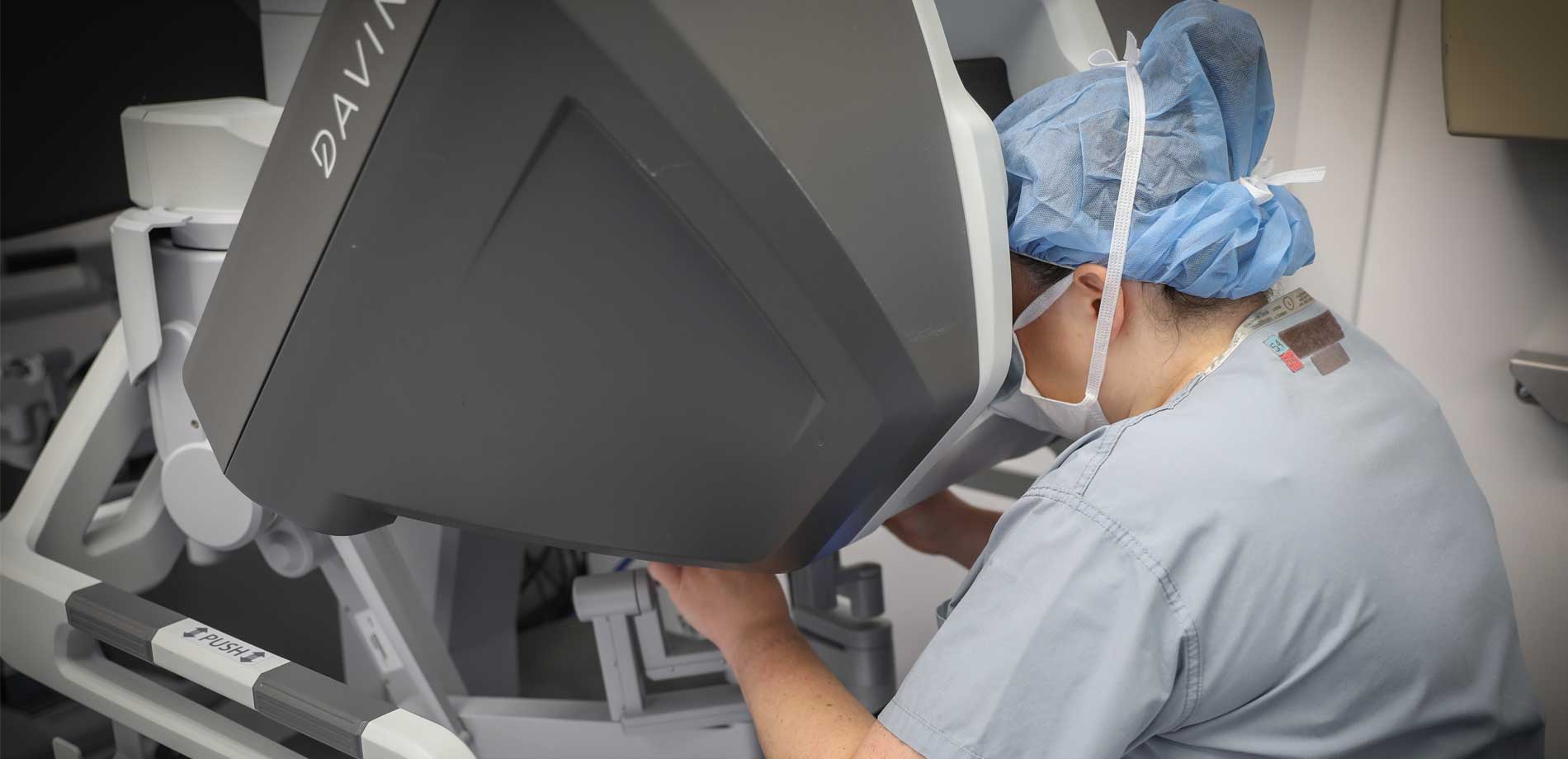
The Advantages of Robotic-Assisted Surgery
Discover how MetroHealth's advanced robotic-assisted surgery technology helps surgeons perform procedures with greater precision, leading to less pain and faster recovery.

Six Steps to Stay Ahead of Brain Health
Keep your brain healthy as you age. Learn six simple habits that can support memory, focus and overall brain health every day.

Healthy Aging Tips for 40-70 and Beyond
No matter your age, small healthy choices can make a big difference. Explore practical tips for healthy aging from your 40s through your 70s and beyond.

Back-to-School Sports Safety
Sports help kids grow stronger, build confidence and learn important life skills. Here’s how parents can help keep them safe all season long.

Signs of Hearing Loss and When to Seek Help
Frequently asking people to repeat themselves? Learn the common signs of hearing loss, when to get a hearing test and when it's time to seek help.