Get a Leg Up on Varicose Veins
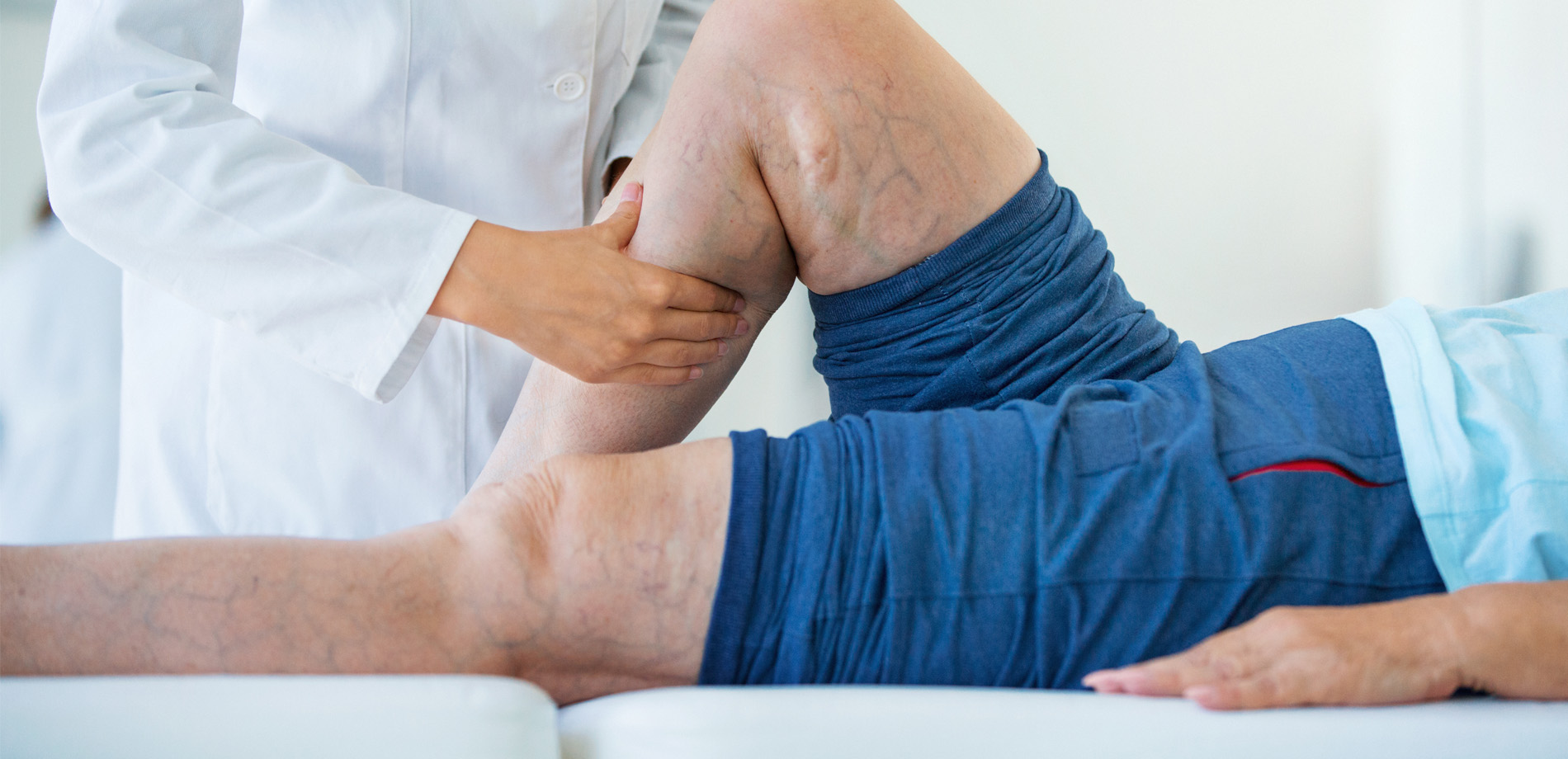
Learn how to recognize the signs of varicose veins, understand potential risk factors, and explore steps you can take to support healthier legs.
Are you dreading wearing shorts or skirts due to varicose veins? Your MetroHealth care team is here to help get your legs ready for warmer weather.
Varicose veins are caused by blood pooling in the veins of the legs rather than circulating back up to your heart. “Varicose veins can be both a cosmetic issue and a health problem,” says James Persky, MD, a vascular surgeon with MetroHealth.
If you have varicose veins, your legs can feel swollen and achy. Both men and women get varicose veins, but they affect more women and get worse if you spend a lot of time standing. Aside from pregnancy (the usual culprit for varicose veins), jobs requiring periods of long standing or sitting or a family history of varicose veins can also be causative for this problem.
Types of Varicose Vein Treatments
You’ll start with conservative treatment, which includes:
- Walking (exercising the calf muscle helps with blood circulation).
- Gentle elevation of legs when lying down.
- Wearing support stockings.
For some people, these alone are enough. For those who are still having issues, there are a range of options, and the latest trend is a minimally invasive procedure. In the past, vein surgery meant a hospital stay; today, nearly all procedures are outpatient and involve very little downtime.
There are three types of in-office procedures that treat the varicose veins that are closer to the surface. All take about 30 minutes and you’re able to walk out of the clinic on your own and go about your day.
Radiofrequency ablation
The surgeon puts an IV in a vein near your knee. Then, using ultrasound guidance, they position a catheter (a thin, flexible tube). The catheter delivers a type of heat that welds the vein shut.
Laser ablation
This is the same procedure as radiofrequency ablation, but using a laser probe to provide the heat that closes off the varicose veins.
Chemical ablation
Instead of heat, the surgeon uses a small amount of a chemical solution that irritates the walls of the vein and makes the veins close off.
For people who have superficial subdermal veins, sometimes called spider veins or reticular veins, we offer minimally invasive procedures that remove the veins through tiny incisions. This is called a stab phlebectomy.
Management of varicose veins has come a long way. Now, less than 5% of people need a more invasive procedure that involves open surgery which is still an outpatient procedure.
Don’t be afraid to seek treatment, even if it’s just because you don’t like the way your veins look. You should feel comfortable scheduling an appointment with the MetroHealth varicose vein care team, especially if you have troubling symptoms such as swelling or pain.
Schedule an Appointment
If varicose veins are bothering you, make an appointment for an evaluation today.
Call 216-778-4811 or learn more about varicose veins.
A referral is not needed to schedule an appointment.
Featured Medical Providers
You May Also Like

Empowered Through Awareness: Taking Charge of Your Breast Health
A breast cancer diagnosis can be overwhelming, but behind every diagnosis is a story of strength, courage, and hope.

Steady Steps: Preventing Falls and Improving Balance at Any Age
Falls are one of the leading causes of injury among adults, but many falls can be prevented through awareness, education, and simple lifestyle changes.
The Advantages of Robotic-Assisted Surgery
Discover how MetroHealth's advanced robotic-assisted surgery technology helps surgeons perform procedures with greater precision, leading to less pain and faster recovery.

Six Steps to Stay Ahead of Brain Health
Keep your brain healthy as you age. Learn six simple habits that can support memory, focus and overall brain health every day.

Apple Oatmeal Crisp
Difficulty: Easy
Healthy Aging Tips for 40-70 and Beyond
No matter your age, small healthy choices can make a big difference. Explore practical tips for healthy aging from your 40s through your 70s and beyond.
Swing Strong: Golf Joint Health and Injury Prevention
Learn expert tips to protect your joints, improve mobility, and stay injury-free on and off the course.

Back-to-School Sports Safety
Sports help kids grow stronger, build confidence and learn important life skills. Here’s how parents can help keep them safe all season long.

Help Your Hearing: Recognizing Early Signs of Hearing Loss
Are you noticing a difference in how you hear? You’re not alone. Hearing loss is common and can be overlooked in the early stages.