Exercise and Lifestyle Modifications to Strengthen Your Bones
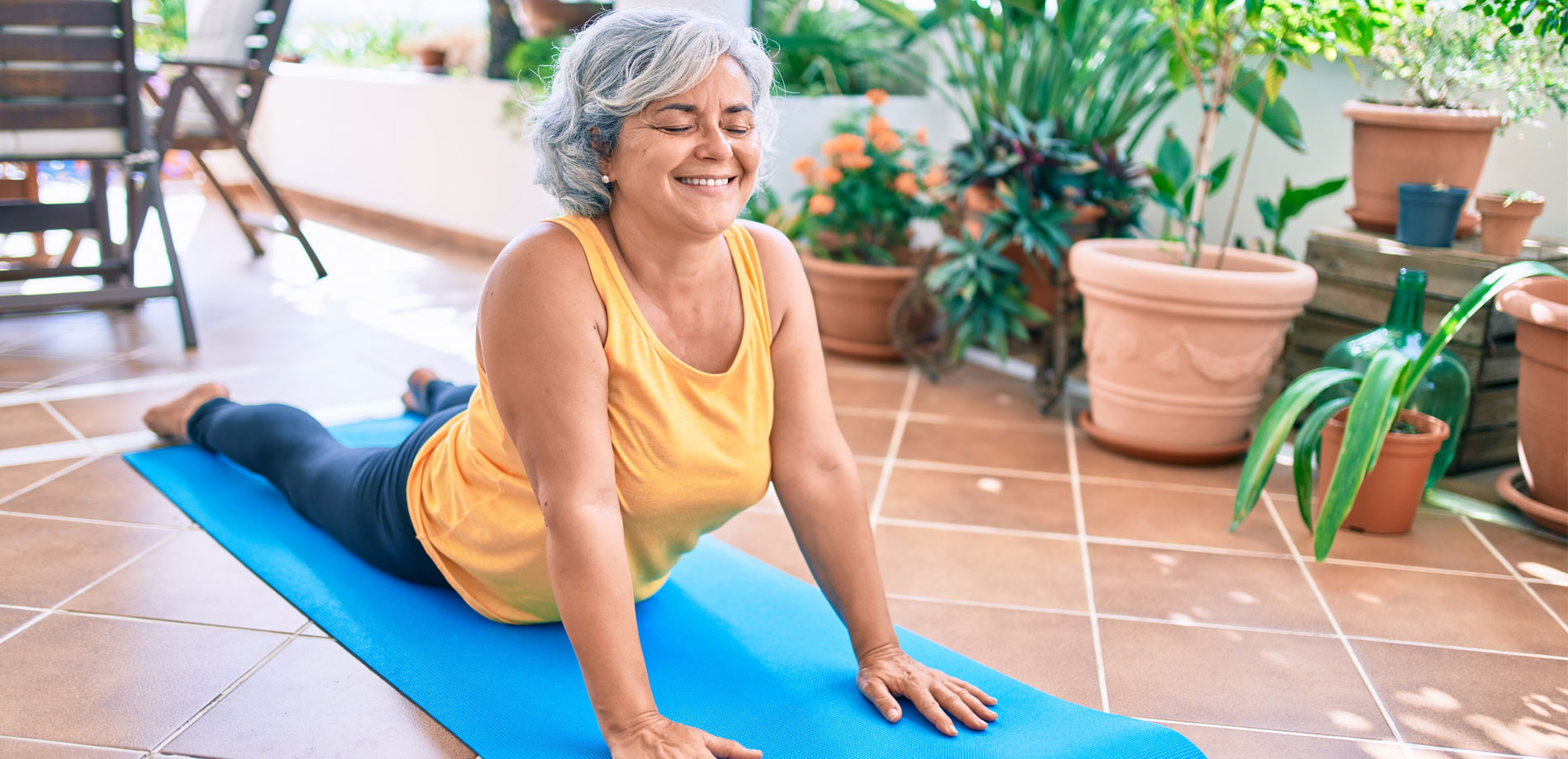
The best time to start thinking about incorporating exercise in your lifestyle is now, no matter what your age.
The earlier you start a regular exercise regimen, the better prepared you’ll be for changes in your body as you age, helping you to strengthen bones and avoid fractures caused by osteoporosis, a condition that causes the bones to become weak and brittle.
A baseline bone density test usually happens after age 65. The test, which can be ordered by your primary care provider or another physician on your care team, takes scans of bones in the spine and hip. The test has less radiation than a chest x-ray.
A less severe diagnosis of osteopenia doesn’t mean treatment right away. If you have osteopenia, a rheumatologist can calculate your risk of developing a hip or other osteoporotic fracture in the next 10 years. If that risk is low, drug treatment is often delayed.
If a patient diagnosed with osteoporosis is very resistant about starting the recommended medications, we’re more than happy to keep an eye on them and follow up regularly. Even after treatment is started, our goal is to treat for a few years, then do a ‘drug holiday’ and monitor the bone density to see when treatment needs to resume.
Even if you’ve just been diagnosed with osteoporosis, the most severe form of osteopenia (bone density loss), there are still things you can do to strengthen your bones.
Weight-bearing exercises – those that involve supporting your own weight against the forces of gravity – are the most beneficial. Which ones you do are up to you, with guidance from your primary care provider. The key is to find something you enjoy and will do on a regular basis, meaning at least 30 minutes most days.
Some examples of weight-bearing exercises:
- Walking, jogging or running (indoors on a treadmill or track, or outdoors)
- Hiking
- Dancing
- Tai Chi
- Yoga
- Strength training using free weights, weight machines, elastic exercise bands
- Muscle strengthening moves using your own body weight (squats, lunges, push-ups, etc.)
- Stair climbing or using stair-step machines
- Balancing exercises
- Swimming or aquatic therapy
Walking is the best thing. It’s safe and easy to do. But we also encourage women to consider weight training and balancing exercises.
Along with exercise, the following lifestyle changes can also help:
- Stop smoking or using tobacco products
- Cut back on alcohol and caffeine
- Talk to your PCP if you are taking prednisone, which is one of the medications that may contribute to bone loss if taken for an extended period of time.
Schedule an Appointment
If you don’t have a primary care provider, call 216-778-2273 or visit our Rheumatology webpage to schedule an appointment with a provider near you.
Dr Antonelli runs a small group clinic for Osteoporosis patients at Brecksville – for more information please call Laurel Stevens at 216-470-0658
Featured Medical Providers
Recent Articles
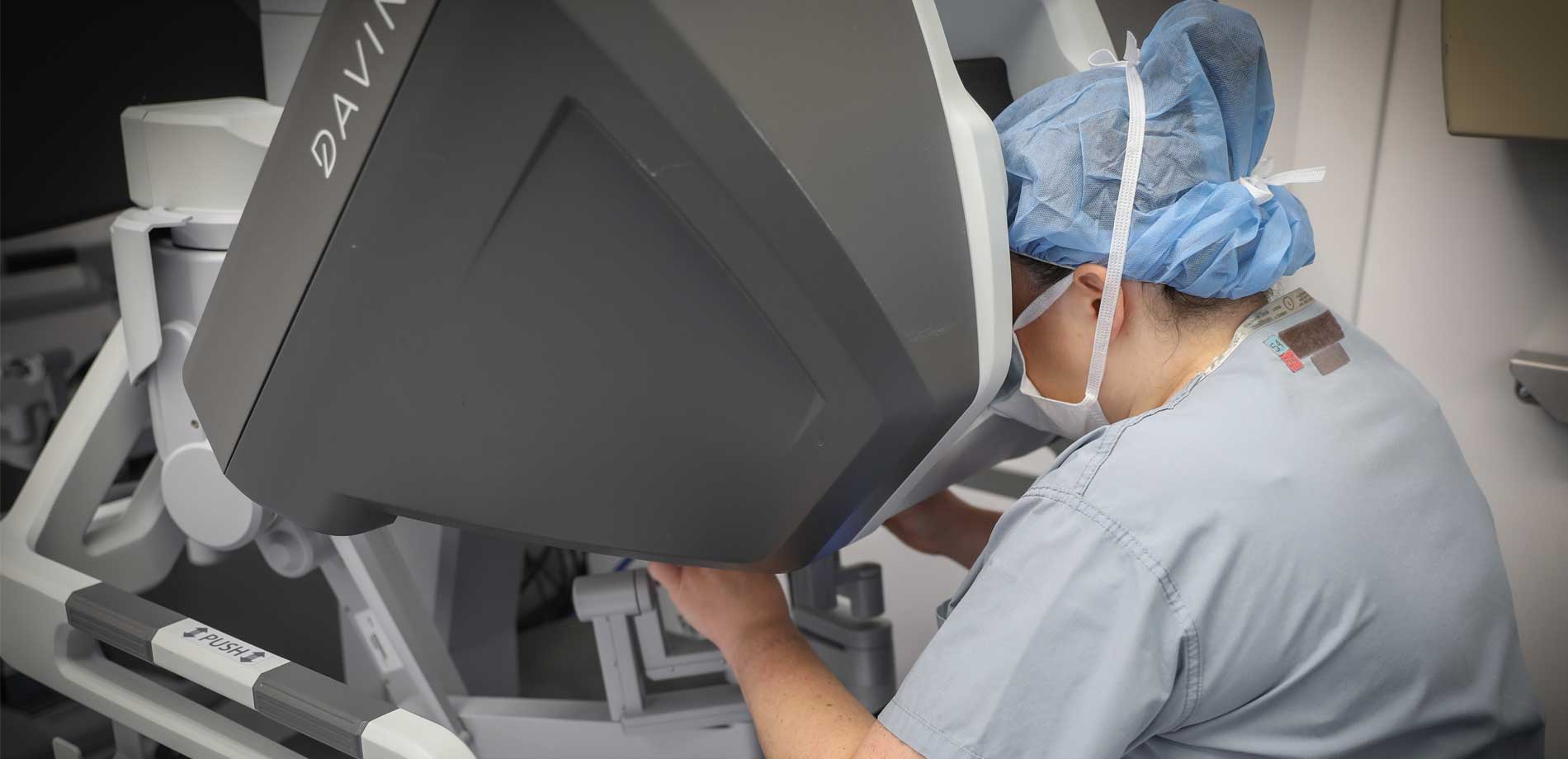
The Advantages of Robotic-Assisted Surgery
Discover how MetroHealth's advanced robotic-assisted surgery technology helps surgeons perform procedures with greater precision, leading to less pain and faster recovery.
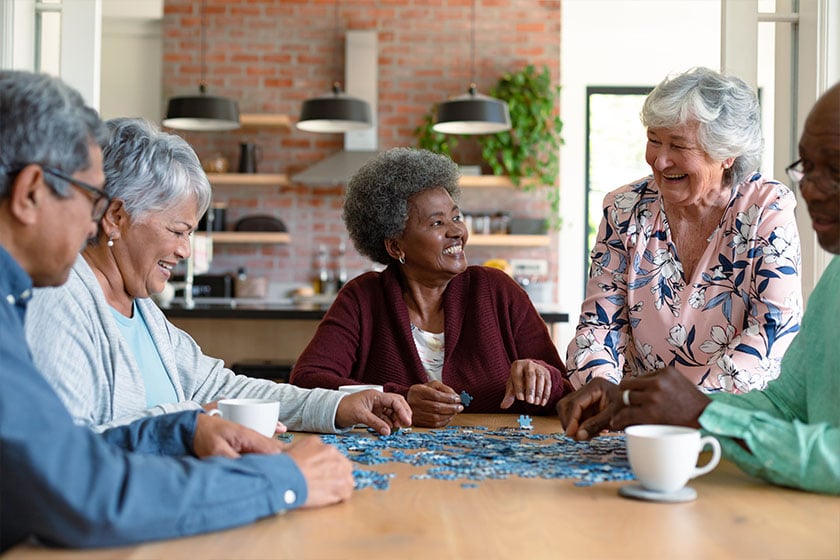
Six Steps to Stay Ahead of Brain Health
Keep your brain healthy as you age. Learn six simple habits that can support memory, focus and overall brain health every day.
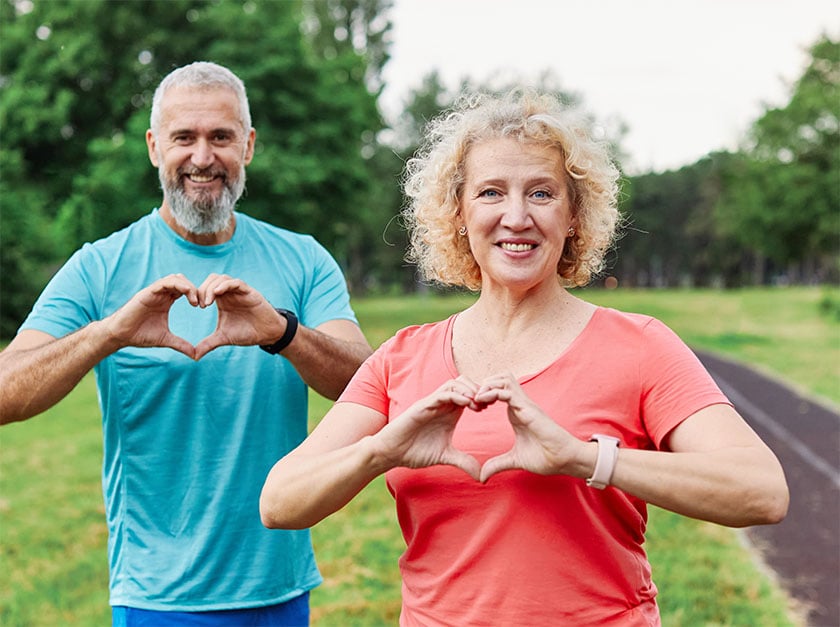
Healthy Aging Tips for 40-70 and Beyond
No matter your age, small healthy choices can make a big difference. Explore practical tips for healthy aging from your 40s through your 70s and beyond.
Back-to-School Sports Safety
Sports help kids grow stronger, build confidence and learn important life skills. Here’s how parents can help keep them safe all season long.
Signs of Hearing Loss and When to Seek Help
Frequently asking people to repeat themselves? Learn the common signs of hearing loss, when to get a hearing test and when it's time to seek help.