You (Yes, You!) Can Save a Life

You don't need medical training to make a difference. Learn simple steps that can help you respond in an emergency and potentially save a life.
If you see an accident and someone is hurt, call 911 right away. This is the most important thing you can do.
Tell the dispatcher where you are and share nearby landmarks so help can find you quickly. Answer any questions about the injuries as best you can.
While you wait for EMS to arrive, you may be able to give basic first aid, says Anthony Zalewski, RN, Injury Prevention & Outreach Coordinator at MetroHealth.
Bystander Tips
Stay Calm
It may seem obvious, but it’s easy to let panic take over. Take a deep breath. The more clear-headed you are, the more able you’ll be to see ways to help.
Check for Your Own Safety
Don’t rush into an accident scene without first making sure it’s safe. Assess for smoke and flames or other unsafe situations (especially if you’re on a busy road).
Try to Help if Someone is Bleeding
Severe bleeding can be life-threatening, and quick action can help save a life. About 35% of trauma deaths before reaching the hospital are caused by severe blood loss. "You can help keep someone safe until EMS arrives," says Zalewski.
How to Stop Severe Bleeding
- Apply firm pressure. Cover the wound with a clean, dry cloth or dressing and press firmly. Keep pressure on the wound until help arrives. Do not remove objects stuck in the wound or try to clean it.
- Pack the wound. If the wound is deep, fill it with gauze or a clean cloth. Avoid using paper products, as they can break apart inside the wound.
- Use a tourniquet if needed. For severe bleeding from an arm or leg, place a tourniquet above the wound. If you do not have one, a belt or similar wide strap may help slow bleeding until emergency responders arrive.
Communicate with Others
If there’s a group of bystanders, talk to each other to share information and divide tasks. For example, one of you can help with a wounded person while the other looks out for EMS.
Tell EMS what happened and what steps you took to help. This information can help them provide care more quickly.
In Case of Emergency, Take Me to MetroHealth.
As the most experienced Level I Trauma Center in Northeast Ohio, MetroHealth delivers life-saving care when seconds count. Call 911 for all emergencies.
MetroHealth is here for you with four Emergency Departments ready to respond in Brecksville, Cleveland Heights, Cleveland (Main Campus), and Parma.
Your Questions Answered
Q. What should I do if someone is bleeding heavily?
A. Call 911 right away. Then apply firm pressure to the wound and keep it there until emergency responders arrive. Quick action can help save a life.
Q. Can I help even if I have no medical training?
A. Yes. Anyone can help by calling 911, applying pressure to a wound, and following basic stop-the-bleed steps until EMS arrives.
Q. When should a tourniquet be used?
A. A tourniquet may be used for severe bleeding from an arm or leg when direct pressure is not enough to stop the bleeding. Place it above the wound and keep it in place until medical help arrives.
Featured Professionals
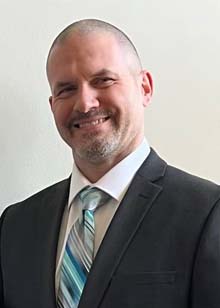
Anthony Zalewski, RN, BSN, MHA
Injury Prevention and Outreach Coordinator | Trauma DivisionYou May Also Like

Empowered Through Awareness: Taking Charge of Your Breast Health
A breast cancer diagnosis can be overwhelming, but behind every diagnosis is a story of strength, courage, and hope.

Steady Steps: Preventing Falls and Improving Balance at Any Age
Falls are one of the leading causes of injury among adults, but many falls can be prevented through awareness, education, and simple lifestyle changes.
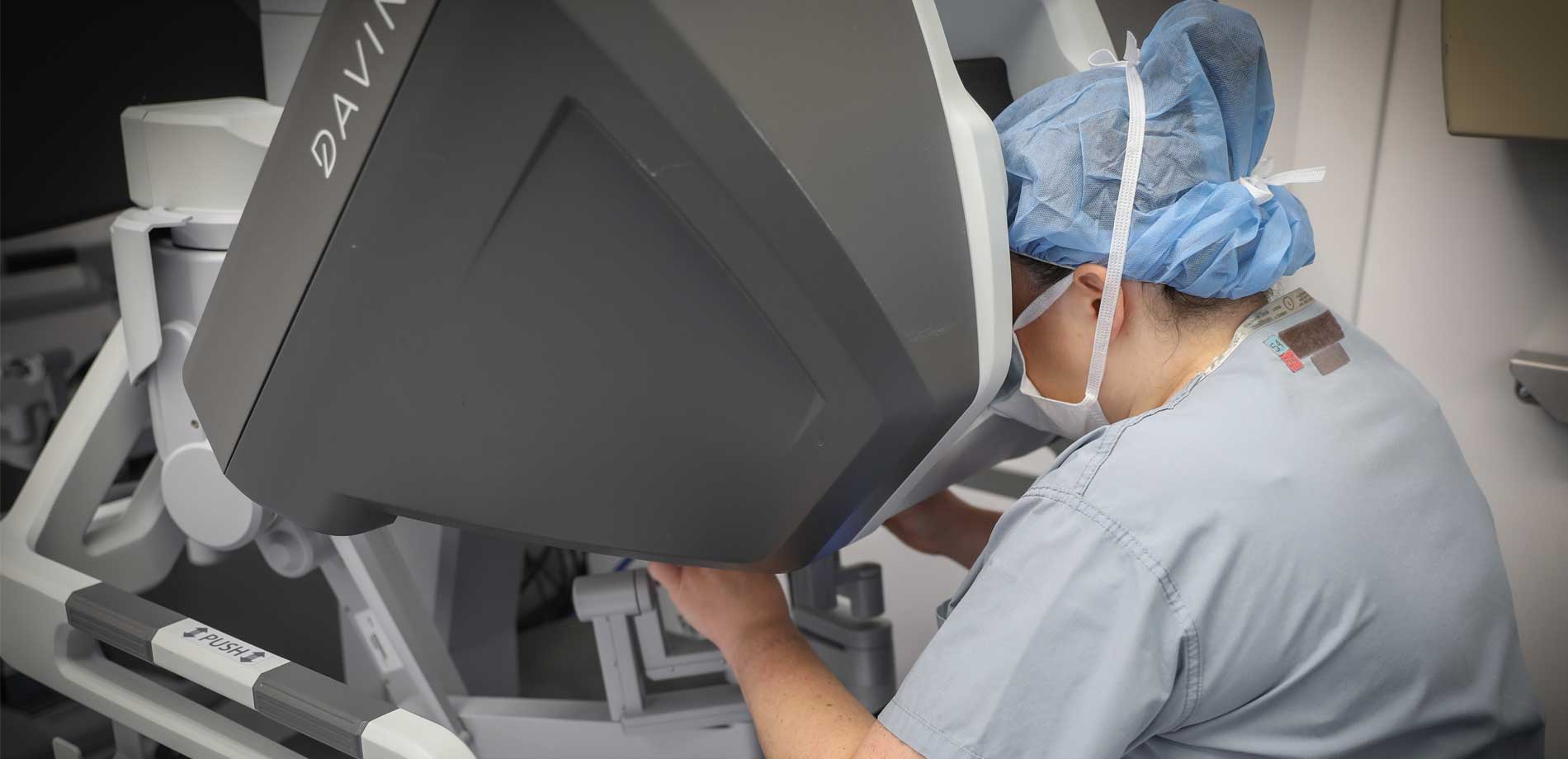
The Advantages of Robotic-Assisted Surgery
Discover how MetroHealth's advanced robotic-assisted surgery technology helps surgeons perform procedures with greater precision, leading to less pain and faster recovery.

Six Steps to Stay Ahead of Brain Health
Keep your brain healthy as you age. Learn six simple habits that can support memory, focus and overall brain health every day.

Apple Oatmeal Crisp
Difficulty: Easy

Healthy Aging Tips for 40-70 and Beyond
No matter your age, small healthy choices can make a big difference. Explore practical tips for healthy aging from your 40s through your 70s and beyond.
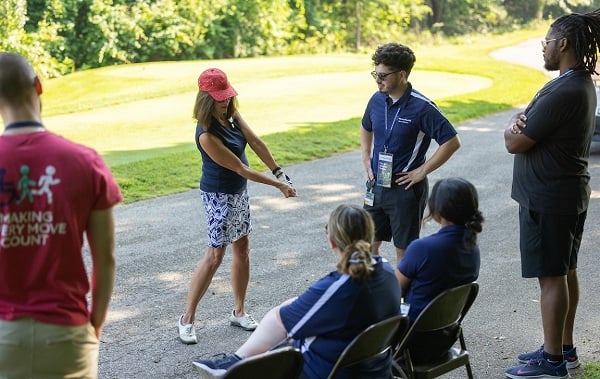
Swing Strong: Golf Joint Health and Injury Prevention
Learn expert tips to protect your joints, improve mobility, and stay injury-free on and off the course.
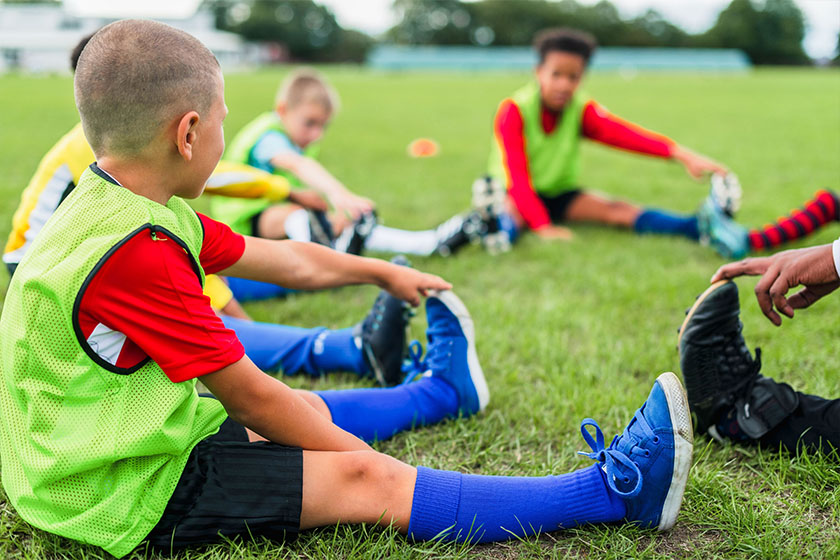
Back-to-School Sports Safety
Sports help kids grow stronger, build confidence and learn important life skills. Here’s how parents can help keep them safe all season long.

Help Your Hearing: Recognizing Early Signs of Hearing Loss
Are you noticing a difference in how you hear? You’re not alone. Hearing loss is common and can be overlooked in the early stages.
Stay Connected
Join Our Be SimplyWell Community