You Don’t Have to Live with Chronic Pain
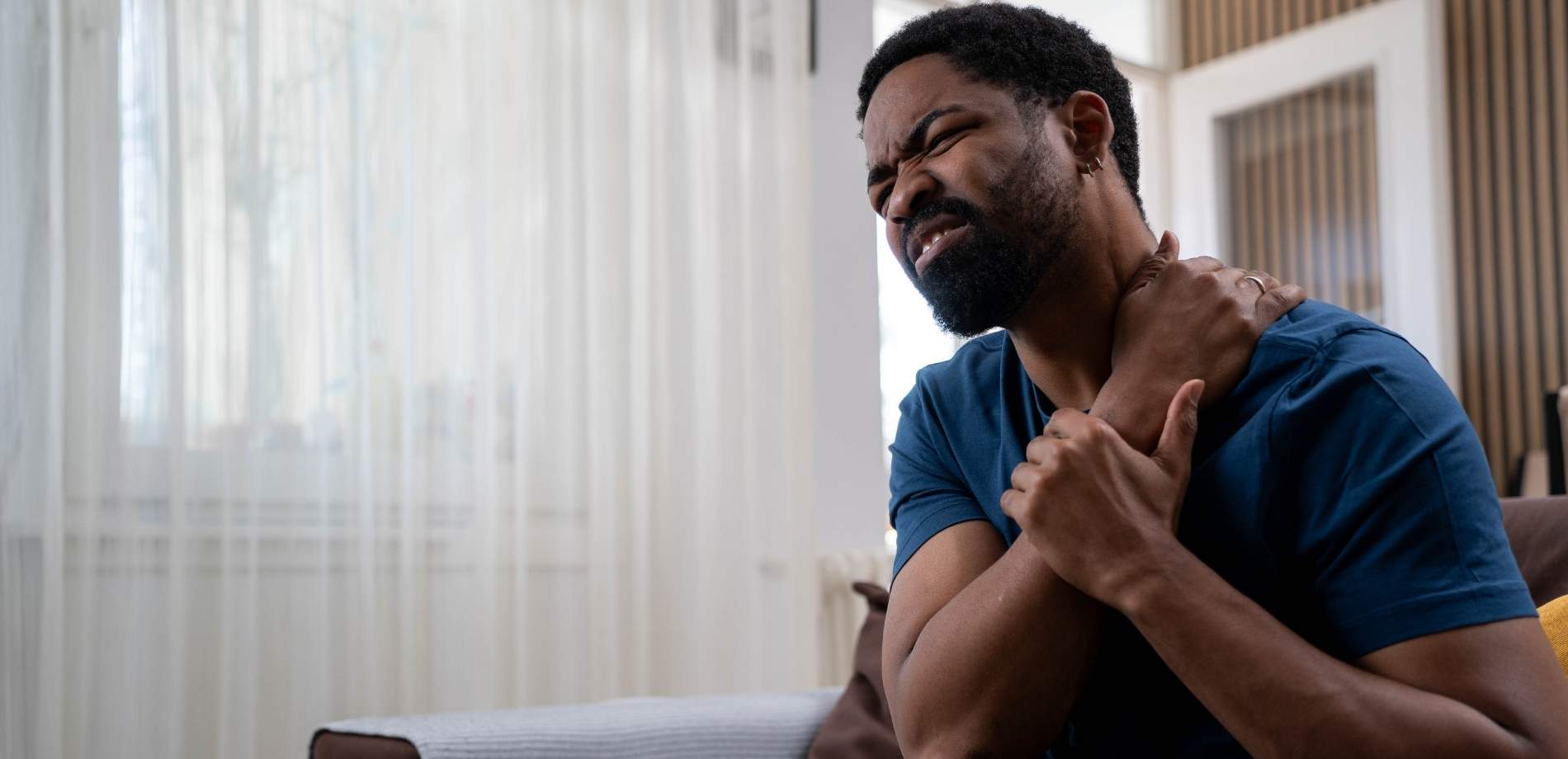
Chronic pain can make everyday life harder, but help is available. Learn about treatment options that can reduce pain and improve your quality of life.
Chronic pain is pain that sticks around for a long time — often every day. About 51 million adults in the U.S. live with it. Michael N. Andrew, MD, MPH, a pain specialist at MetroHealth, says that even though it’s common, you don’t have to just “live with it.”
What Causes Chronic Pain?
There are many reasons people experience ongoing pain, including:
- Chronic medical conditions, such as arthritis, diabetes, fibromyalgia and neuropathy or nerve damage, among others
- Injuries from car accidents, falls, work or sports
- Past trauma, psychological including emotional or physical abuse
How Pain Affects Your Life
Dealing with chronic pain impacts how you live your life. It’s the number one reason people seek medical care. A smaller group of chronic pain sufferers experience the kind of chronic pain that limits their daily activities on most days or every day. That’s called high-impact chronic pain. Many of those sufferers are unable to work or enjoy daily life.
People with chronic pain find it affects many aspects of life, such as work and school, or relationships and family life. Pain can also:
- Cause you to avoid social events.
- Damage your mental and emotional health. Chronic pain is linked with higher levels of anxiety and depression. It may also raise your risk for self-harm.
- Lower your energy levels. Fatigue is common in people with chronic pain.
- Affect your ability to get a good night’s sleep.
- Increase your risk for Alzheimer’s disease or other forms of dementia.
- Put you at risk for drug and alcohol disorders.
Ways to Feel Better
You can take steps to manage pain and feel more like yourself again. Try adding these healthy habits to your routine:
- Eat healthy foods.
Choose fruits, veggies, lean meats, fish and whole grains. Try to avoid sugary, processed snacks and fried foods. - Stay active.
Exercise can help reduce pain and this may mean you need less medicine. Ask your doctor or physical therapist what activities are safe for you. - Keep a healthy weight.
Extra weight can make pain worse. Your doctor may suggest medicine or other tools to help with weight loss. - Manage stress.
Stress can make pain feel worse. Try:- Cognitive behavior therapy (CBT). A type of talk therapy that helps you change how you think about pain.
- Mindfulness meditation. A calming practice that helps reduce pain and anxiety. Research found just four sessions reduced pain intensity by 40%.
Medical Treatments That Can Help
At the MetroHealth Pain and Healing Center, we create a plan just for you. Depending on your needs, treatments may include:
- Targeted neuroaxial injections
- Botox injections
- Electrical stimulation (E-stim)
- Intrathecal implantable devices
- Infusion therapy
- Myofascial release
- Peripheral nerve stimulation
- Radiofrequency ablation
- Spinal cord stimulation
- Spinal spacers
- Sympathetic blocks
- Transcutaneous Electrical Nerve Stimulation (TENS)
Schedule an Appointment
At MetroHealth Pain and Healing Center, we work with you to find ways to manage your pain, maintain and improve your quality of life.
Call 216-957-4325 to make an appointment.
Your Questions Answered
Q. What is chronic pain?
A. Chronic pain is pain that lasts for three months or longer. It can affect your daily life, sleep, mood, work, and relationships.
Q. What treatments are available for chronic pain?
A. Treatment depends on the cause of the pain. Options may include physical therapy, medications, injections, lifestyle changes, counseling, or other specialized treatments.
Q. When should I see a doctor about chronic pain?
A. If pain is keeping you from doing everyday activities, affecting your sleep, or not improving with self-care, it’s time to talk with a healthcare provider about treatment options.
Featured Medical Providers
You May Also Like

Empowered Through Awareness: Taking Charge of Your Breast Health
A breast cancer diagnosis can be overwhelming, but behind every diagnosis is a story of strength, courage, and hope.

Steady Steps: Preventing Falls and Improving Balance at Any Age
Falls are one of the leading causes of injury among adults, but many falls can be prevented through awareness, education, and simple lifestyle changes.
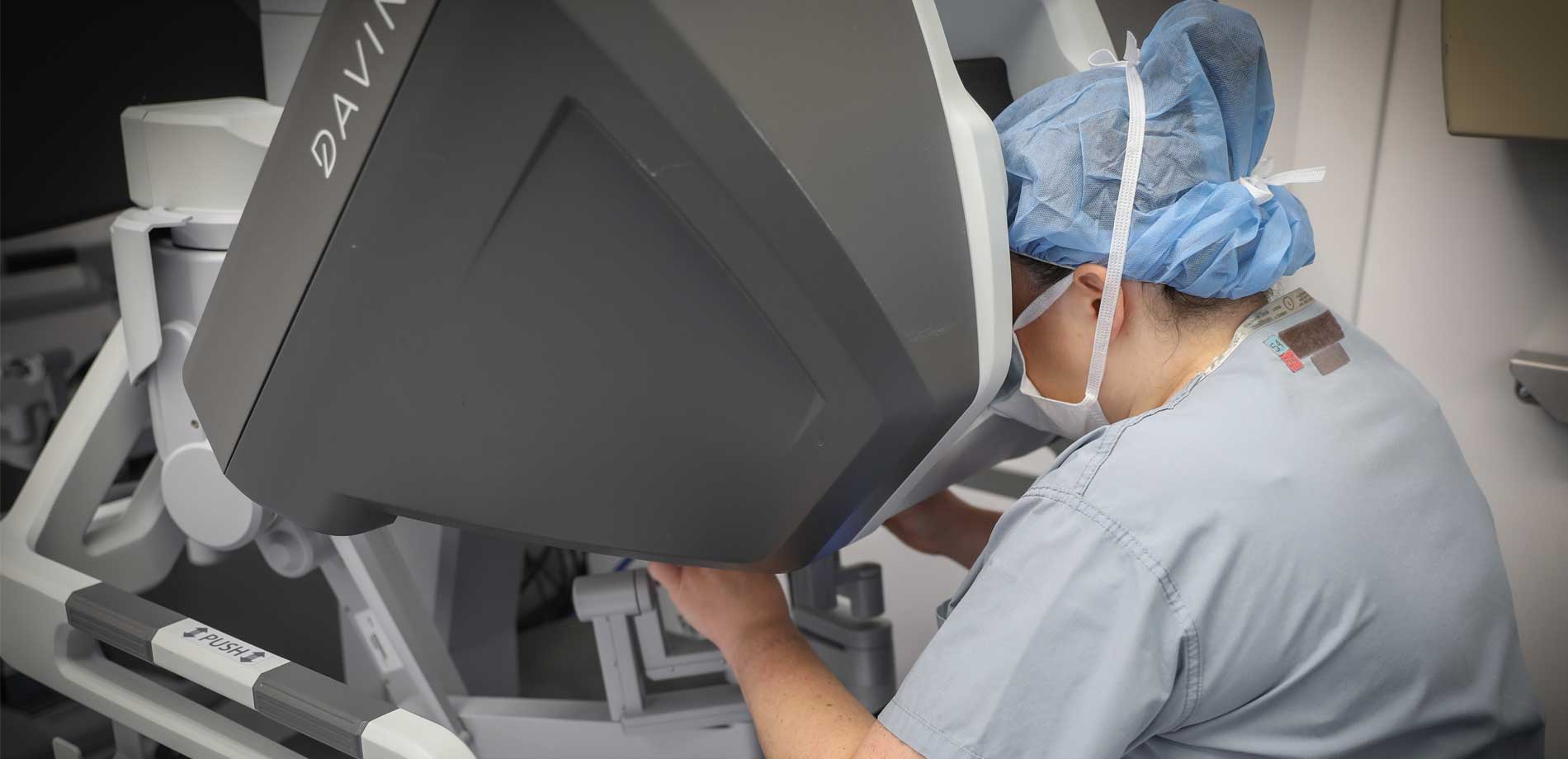
The Advantages of Robotic-Assisted Surgery
Discover how MetroHealth's advanced robotic-assisted surgery technology helps surgeons perform procedures with greater precision, leading to less pain and faster recovery.

Six Steps to Stay Ahead of Brain Health
Keep your brain healthy as you age. Learn six simple habits that can support memory, focus and overall brain health every day.

Apple Oatmeal Crisp
Difficulty: Easy

Healthy Aging Tips for 40-70 and Beyond
No matter your age, small healthy choices can make a big difference. Explore practical tips for healthy aging from your 40s through your 70s and beyond.

Swing Strong: Golf Joint Health and Injury Prevention
Learn expert tips to protect your joints, improve mobility, and stay injury-free on and off the course.

Back-to-School Sports Safety
Sports help kids grow stronger, build confidence and learn important life skills. Here’s how parents can help keep them safe all season long.

Help Your Hearing: Recognizing Early Signs of Hearing Loss
Are you noticing a difference in how you hear? You’re not alone. Hearing loss is common and can be overlooked in the early stages.
Stay Connected
Join Our Be SimplyWell Community