Women and Wellness, No Matter Your Age

Good health matters at every age. Learn simple ways to care for your body, stay healthy, and lower your risk for future health problems.
OB-GYN providers aren’t just for pregnancy and babies; they care for girls and women throughout their lives.
We wear two hats. We provide preventive care, but we are also specialists.
What you can expect during wellness visits no matter your age:
Teens
The American College of Obstetricians and Gynecologists says young women should see an OB-GYN between ages 13 and 15, to talk about period problems or puberty-related issues. This is also a safe space to discuss sexual health, gender identity, birth control, and preventing sexually transmitted infections. Most important? Getting the HPV (human papillomavirus) vaccine to prevent some types of cancers.
20s
Your provider will discuss healthy lifestyle habits, sexual health/safety, and pregnancy planning. You’ll start getting a regular Pap smear now, to check for cervical cancer. You may also be tested for STIs such as gonorrhea and chlamydia, and for HIV and hepatitis C. Treating STIs promptly is important, as they can cause pelvic inflammatory disease or infertility if left alone.
30s
If you’re pregnant, you’ll see your provider often for prenatal care. (If you are trying to get pregnant and haven’t been successful yet, ask your provider to refer you to a fertility specialist.) Continue to get Pap smears. Your provider may also order blood tests for cholesterol and blood sugar levels. If you’ve been pregnant and had gestational diabetes, you may be at increased risk for diabetes and heart disease later.
40s
Perimenopause — hormonal changes that make your periods different as you head toward menopause — often starts in your 40s. If you have symptoms that bother you, such as sleep problems or particularly heavy periods, your provider may suggest lifestyle changes or treatments to help. At 40, you should get your first mammogram to check for breast cancer (recommendations have recently changed), and a first colon cancer screening at 45.
50s
The average age of menopause, when periods stop altogether, is 52. Common symptoms include insomnia, hot flashes, mood swings, vaginal dryness, and decreased sex drive. Talk to your provider if these symptoms are bothering you. There are treatment options, including hormone replacement therapy. Now’s the time to be sure you’re getting enough vitamin D and calcium to help prevent osteoporosis.
60s
Urinary issues like leaking a little when you exercise or laugh, or having problems with urgency or frequency, can crop up now. Healthy aging means keeping up with screenings, such as mammograms, and also getting a scan called DEXA, which tests your bone health. The good news: If you’ve kept up with well check-ups, you’re well on your way to a healthy older age!
Ready to Make an Appointment?
To request an appointment with a Women’s Health Team provider, call 216‑778‑4444, schedule through MyChart, or fill out the form below.
To learn more about Women’s Health at MetroHealth, visit metrohealth.org/obgyn.
Your Questions Answered
Q. What health screenings do women need?
A. The screenings you need depend on your age and health history. Regular checkups, mammograms, Pap tests, blood pressure checks, and cholesterol screenings can help find problems early.
Q. How can I stay healthy as I get older?
A. Focus on healthy habits like eating nutritious foods, staying active, getting enough sleep, managing stress, and keeping up with preventive care and screenings.
Q. When should I talk to my doctor about changes in my health?
A. Talk to your doctor if you notice new symptoms, changes in your energy, mood, weight, or overall health. Early care can help prevent bigger problems later.
Featured Medical Providers
You May Also Like

Empowered Through Awareness: Taking Charge of Your Breast Health
A breast cancer diagnosis can be overwhelming, but behind every diagnosis is a story of strength, courage, and hope.

Steady Steps: Preventing Falls and Improving Balance at Any Age
Falls are one of the leading causes of injury among adults, but many falls can be prevented through awareness, education, and simple lifestyle changes.
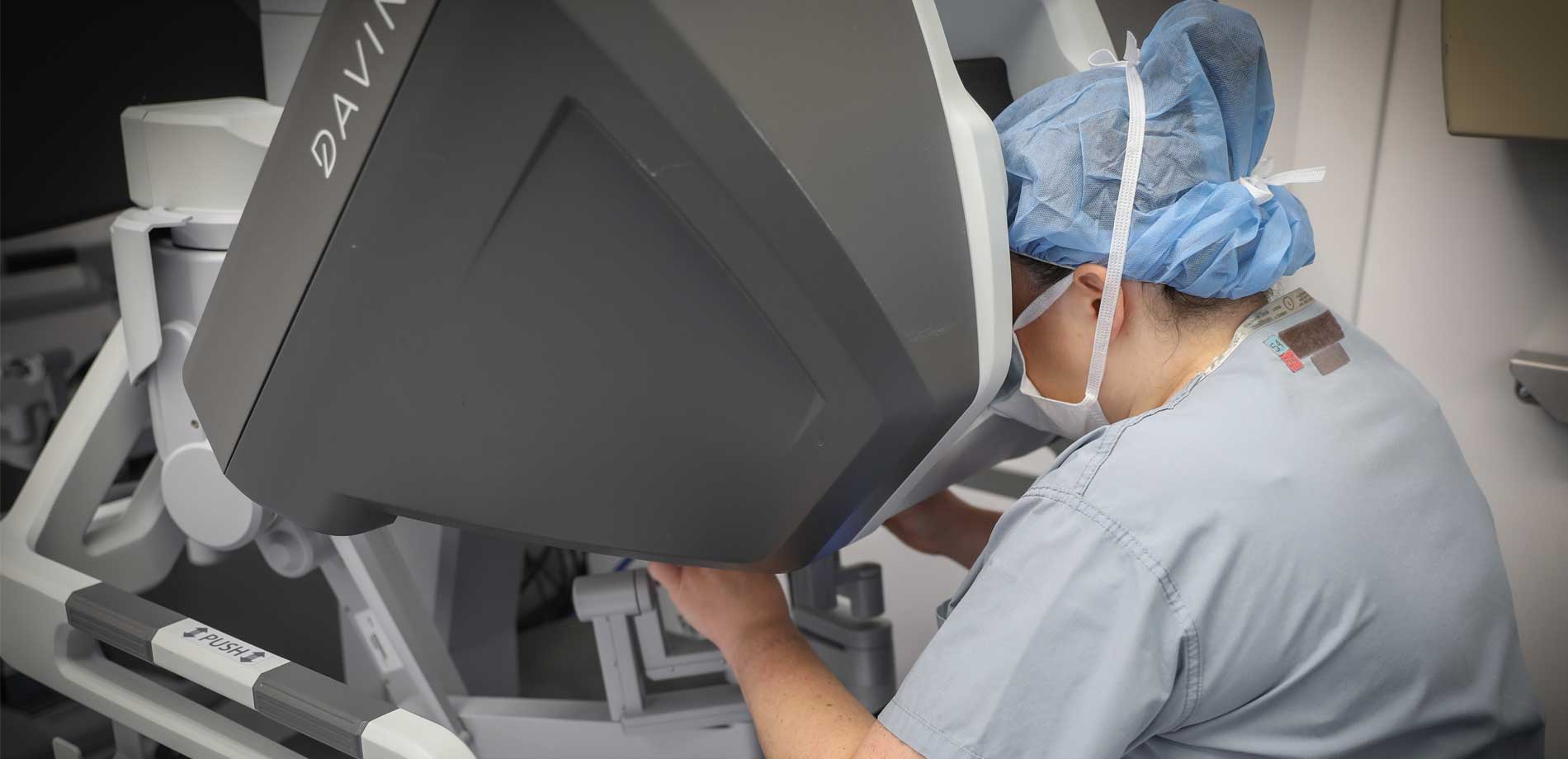
The Advantages of Robotic-Assisted Surgery
Discover how MetroHealth's advanced robotic-assisted surgery technology helps surgeons perform procedures with greater precision, leading to less pain and faster recovery.

Six Steps to Stay Ahead of Brain Health
Keep your brain healthy as you age. Learn six simple habits that can support memory, focus and overall brain health every day.

Apple Oatmeal Crisp
Difficulty: Easy

Healthy Aging Tips for 40-70 and Beyond
No matter your age, small healthy choices can make a big difference. Explore practical tips for healthy aging from your 40s through your 70s and beyond.

Swing Strong: Golf Joint Health and Injury Prevention
Learn expert tips to protect your joints, improve mobility, and stay injury-free on and off the course.

Back-to-School Sports Safety
Sports help kids grow stronger, build confidence and learn important life skills. Here’s how parents can help keep them safe all season long.

Help Your Hearing: Recognizing Early Signs of Hearing Loss
Are you noticing a difference in how you hear? You’re not alone. Hearing loss is common and can be overlooked in the early stages.
Stay Connected
Join Our Be SimplyWell Community