What it Means to Have Dense Breasts

Dense breasts are common and normal. Learn what breast density means, how it can affect mammogram results, and when extra screening may help.
A new rule about mammograms from the FDA just went into effect. Now, your results will include information on how dense your breasts are. Having dense breasts may mean you’ll need further testing. Why? We asked Natalie Joseph, MD, Division Director of Surgical Oncology and Director of the Center for Breast Health for MetroHealth, to explain.
Click below to learn more:
Breast density is a measurement of the amount of fibrous and glandular tissue that you have in your breasts compared to the amount of fatty tissue. Having dense breast tissue is normal, and approximately 50% of women are identified as having dense tissue. However, having dense breast tissue is associated with an increased risk of breast cancer. If you have more dense tissue than fatty tissue, it may be harder to detect cancer on a screening mammogram as dense tissue is harder to see through. Density is not related to breast size at all. Women with all sizes of breasts can have dense breast tissue. It is partly genetic, and your density may also change with age.
The radiologist who reads your mammogram will include a report about your breast density. The report should give you an indication of how dense your breasts are. There are four categories of breast density:
- Category A: Mostly fatty tissue (not dense)
- Category B: Some scattered areas of dense breast tissue
- Category C: More dense tissue that fatty tissue, making it hard to see small irregularities or tumors.
- Category D: Extremely dense, to the point that it makes it hard to see even larger tumors.
About half of women in the U.S. who get mammograms are in category C or D.
If you are identified as having breast tissue, you may be a candidate for additional screening tests such as breast ultrasound or MRI. We recommend that you talk to your physician or health care provider to determine what is best for you.
At MetroHealth, we offer people with dense breasts a supplemental screening test called Automated Breast Ultrasound (ABUS).
This screening helps us get a look inside dense breast tissue to find any potential changes that could mean cancer. Combining a mammogram with ABUS in women with dense breast tissue is more effective at finding cancer than mammography alone.
If you have dense breasts, have a conversation with your doctor about your risk and what the results mean for you.
Where Can I Find Information About Breast Screening at MetroHealth?
Early detection is key to fighting breast cancer. If you’re 40 or older, call 216-957-BRST (2778) to schedule a mammogram.
For more information, visit metrohealth.org/breast-cancer.
You can also read about all of our screening options or learn more about dense breasts and breast cancer risk.
Your Questions Answered
Q. What does it mean to have dense breasts?
A. Dense breasts have more glandular and connective tissue and less fatty tissue. Having dense breasts is common and is not a disease.
Q. Why does breast density matter?
A. Dense breast tissue can make it harder for a mammogram to detect breast cancer. It may also slightly increase your risk of developing breast cancer.
Q. Do I need extra screening if I have dense breasts?
A. Not everyone with dense breasts needs additional screening. Your provider will consider your breast density, family history, and other risk factors to decide if tests such as a breast ultrasound or MRI may be helpful.
Featured Medical Providers
You May Also Like

Empowered Through Awareness: Taking Charge of Your Breast Health
A breast cancer diagnosis can be overwhelming, but behind every diagnosis is a story of strength, courage, and hope.

Steady Steps: Preventing Falls and Improving Balance at Any Age
Falls are one of the leading causes of injury among adults, but many falls can be prevented through awareness, education, and simple lifestyle changes.
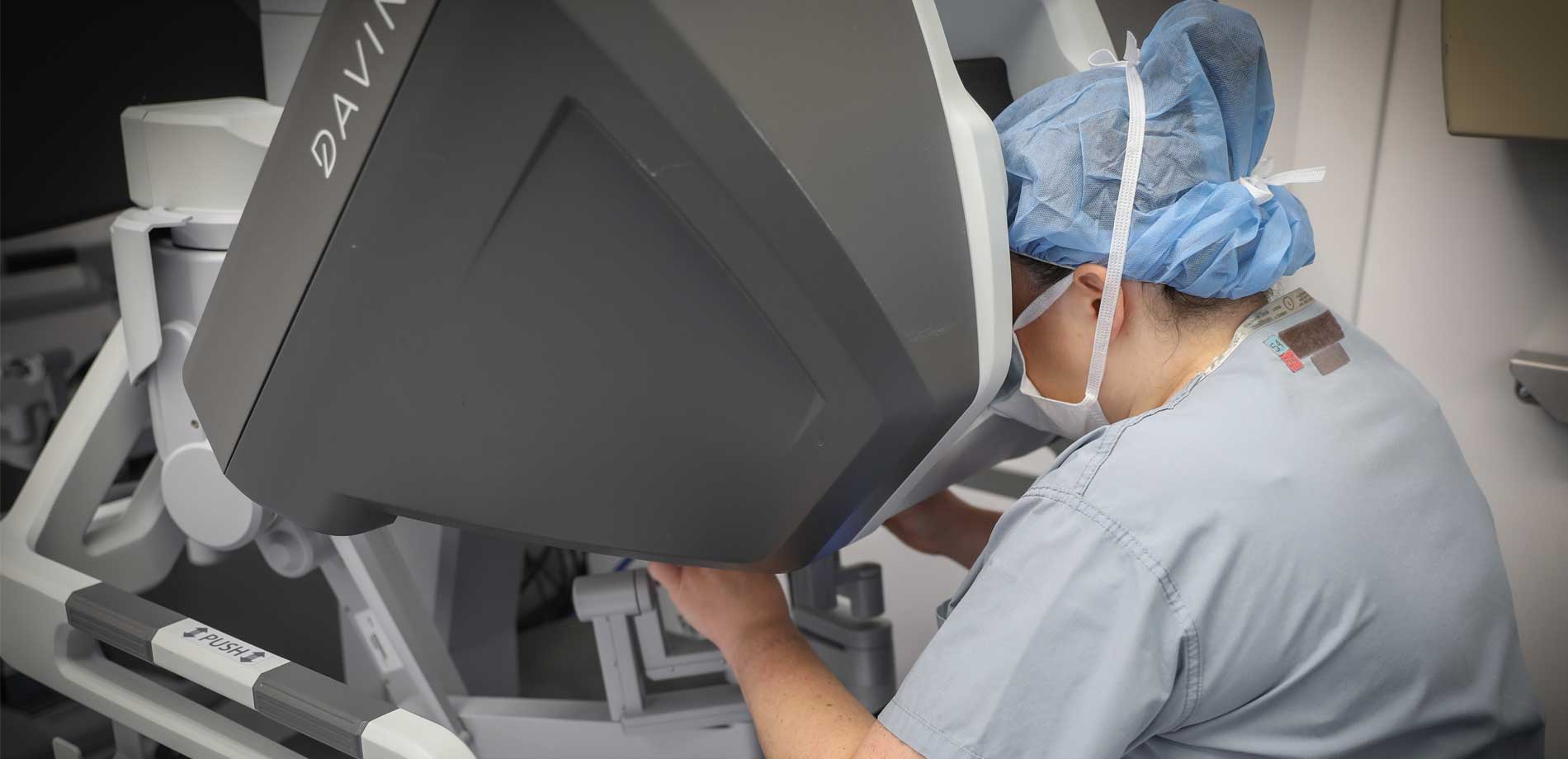
The Advantages of Robotic-Assisted Surgery
Discover how MetroHealth's advanced robotic-assisted surgery technology helps surgeons perform procedures with greater precision, leading to less pain and faster recovery.

Six Steps to Stay Ahead of Brain Health
Keep your brain healthy as you age. Learn six simple habits that can support memory, focus and overall brain health every day.

Apple Oatmeal Crisp
Difficulty: Easy

Healthy Aging Tips for 40-70 and Beyond
No matter your age, small healthy choices can make a big difference. Explore practical tips for healthy aging from your 40s through your 70s and beyond.

Swing Strong: Golf Joint Health and Injury Prevention
Learn expert tips to protect your joints, improve mobility, and stay injury-free on and off the course.


Back-to-School Sports Safety
Sports help kids grow stronger, build confidence and learn important life skills. Here’s how parents can help keep them safe all season long.

Help Your Hearing: Recognizing Early Signs of Hearing Loss
Are you noticing a difference in how you hear? You’re not alone. Hearing loss is common and can be overlooked in the early stages.
Stay Connected
Join Our Be SimplyWell Community