Vaping and Lung Cancer: Know Your Risk
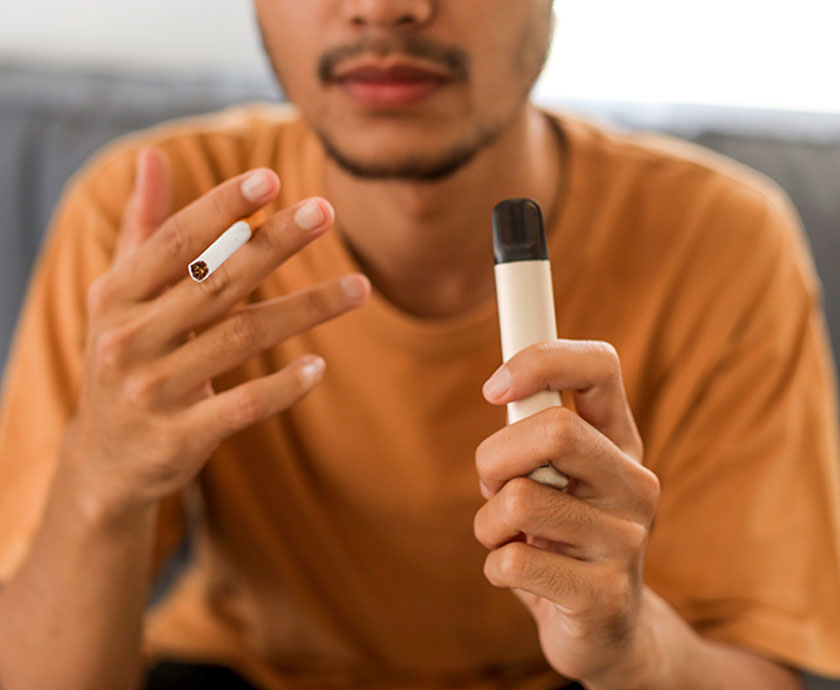
Smoking and vaping together raise your lung cancer risk. Learn what we know about vaping, who should get screened and how to quit.
Maybe you switched to vaping to cut back on cigarettes. Or maybe you do both. Either way, you may wonder: Does vaping cause lung cancer?
Here's what we know. Vaping isn't harmless, and people who smoke and vape face a higher risk. MetroHealth primary care providers can help you quit and see if a lung cancer screening is right for you.
Lung Cancer: Early Detection Matters
Lung cancer is the leading cause of cancer deaths in the U.S. Most cases are linked to smoking. But 10% to 20% happen in people who never smoked.
Early lung cancer often has no symptoms. That's why quitting and early screening matter so much.
Does Vaping Cause Lung Cancer? What Researchers Know
Vapes are still new, and cancer can take years to grow. Researchers don't know yet if vaping alone causes lung cancer. But we do know this about vaping:
- It’s not just water vapor. Vapes can carry nicotine, tiny bits of metal and chemicals known to cause cancer.
- It can hurt your lungs. Vaping can cause coughing, wheezing, chest pain and shortness of breath.
- Nicotine is very addictive. That’s the case whether it comes from a cigarette, a vape or a pouch.
Smoking and Vaping Together Raise Your Lung Cancer Risk
Many people start vaping to try to smoke less but then never fully stop smoking. Using both is called dual use. A 2024 study from The Ohio State University found that people who smoked and vaped were 4 times more likely to get lung cancer than people who only smoked.
“Vaping isn't a safe middle ground,” says Jerome West, Tobacco Prevention, Treatment and Research Manager at MetroHealth. “If you're using a vape to cut back on smoking, let's make a plan to help you quit both.”
Your lungs work hard for you every day. While scientists are still learning about the full impact of vaping, current research points to real concerns about lung injury, inflammation and potential cancer risk. Staying informed and avoiding nicotine products can help you breathe easier and reduce your risk of future health problems. Small changes today can make a big difference in your health tomorrow.
Quit Smoking and Vaping
MetroHealth offers the Nicotine Dependence Prevention and Treatment Program to help adults quit smoking, vaping and using other nicotine products.
The 4- to 12-week program meets in person or through virtual visits. It offers counseling, medication and free nicotine patches, gum or lozenges. Most insurance plans cover most services.
Ready to quit? Call 216-778-3031 or email mhquitsmoking@metrohealth.org.
MetroHealth is here for everyone. If cost, transportation or other needs make it hard to get care, tell your care team. We can help connect you with support.
Ready to Schedule an Appointment?
To schedule an appointment with a primary care provider, call 216-MY-METRO (216-696-3876) or visit metrohealth.org/appointments.
Your Questions Answered
Q. Is vaping safer than smoking?
A. Vaping isn't a safe choice. Vapes still deliver nicotine and chemicals that can harm your lungs.
Q. Can vaping help me quit smoking?
A. Vapes aren't approved by the U.S. Food and Drug Administration (FDA) to help people quit. Many people who try end up using both, which raises lung cancer risk.
Q. What happens during a lung cancer screening?
A. You lie on a table while a CT scanner takes pictures of your lungs. It's painless and takes less than 10 minutes.
Featured Medical Providers
Featured Professionals

Jerome West MAR, MRE, ICPS, OCPC, LCDC III
Lung Cancer Screening Checklist: Do You Qualify?
A low-dose CT scan is a quick, painless test. It can find lung cancer early, when treatment works best. You may qualify if you check all 3 boxes:
- You're 50 to 80 years old.
- You have a 20-year smoking history. (Packs per day × years smoked. For example, 1 pack a day for 20 years.)
- You smoke now or quit within the past 15 years.
Screening is for people with no symptoms. Guidelines are based on cigarette use, so if you vape or don't check every box, ask your provider about your risk. Medicare, Medicaid and most private plans cover screening.
Checked all 3 boxes? Ask your MetroHealth primary care provider about a low-dose CT scan.
Related Links
Clearing the Air: How Indoor Pollution and Gas Stoves Affect Asthma
Learn how indoor air pollution, including gas stoves, can trigger asthma symptoms and discover practical tips to improve air quality at home.
Cleveland’s Guide to Quitting Smoking: Tips, Tools, and Community Support
Take the first step toward quitting smoking. Learn about proven tools, practical tips and support programs available in Cleveland.

Your Community and Asthma: Are You at Risk?
Where you live, work, and play can affect your asthma risk. Learn how your community impacts breathing health and what steps can help you stay well.
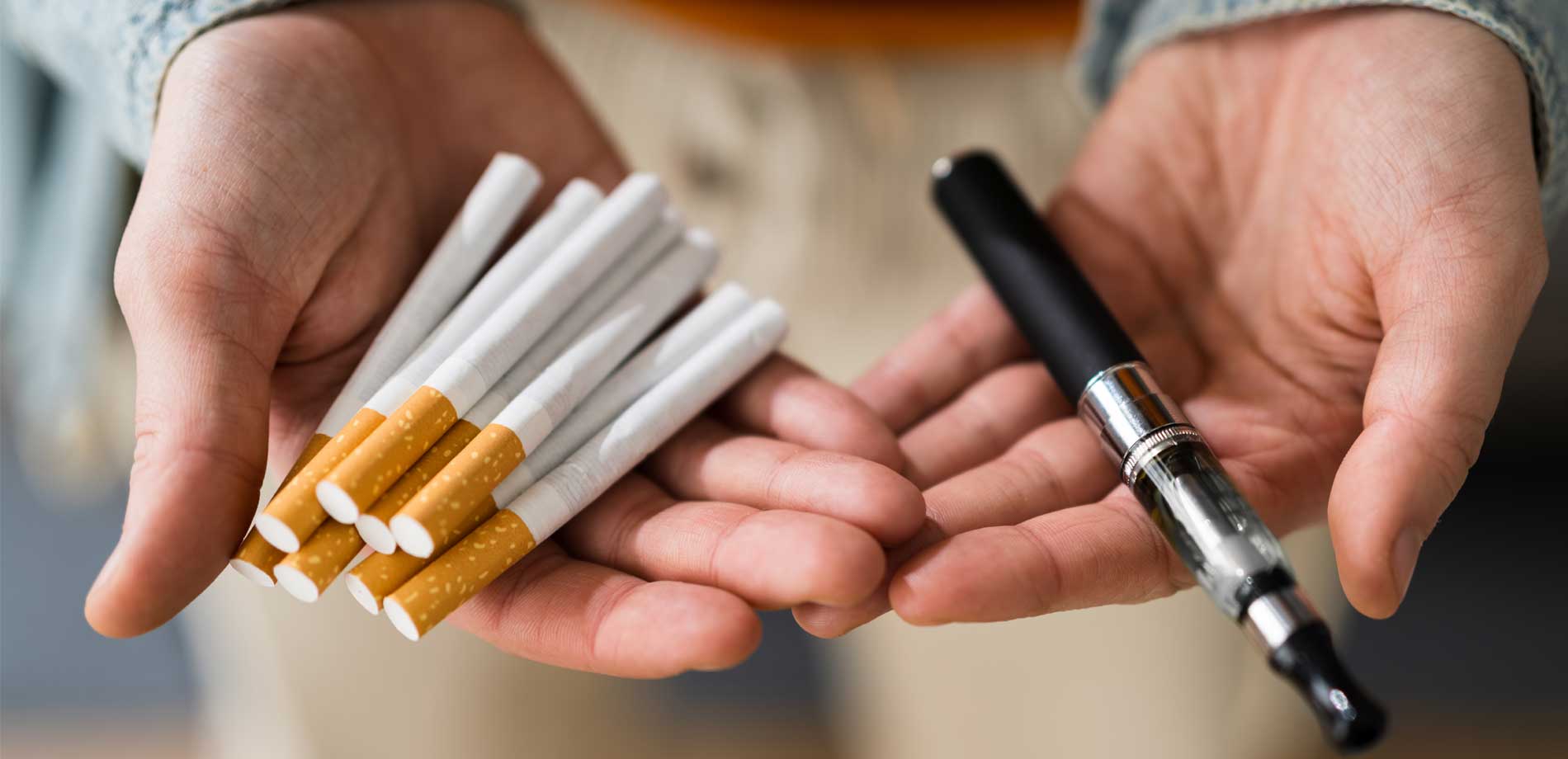
The Dangers of Vaping
Vaping may seem harmless, but it can carry significant health risks that are important to understand.

Life-Saving Lung Cancer Screenings
A simple lung cancer screening could save your life. Learn who should get screened and how early detection can improve treatment outcomes.
Stay Connected
Join Our Be SimplyWell Community
