Understanding Cancer

Whether you're facing cancer yourself or supporting a loved one, understanding cancer is an important first step on the journey ahead.
The more you understand about cancer, the more prepared you are to face it.
Many people will be affected by cancer during their lives. You may have cancer yourself, know someone who does, or want to learn how to lower your risk. Understanding what cancer is can help.
Cancer starts in the body's cells. Cells are the tiny building blocks that make up your body. Every day, your body makes new cells to replace old or damaged ones. Most of the time, this process works the way it should.
Sometimes, a cell's DNA, which acts like a set of instructions, becomes damaged. When this happens, abnormal cells can grow and multiply out of control. A group of these abnormal cells is called cancer.
Cancer can start in almost any part of the body, including the lungs, colon, breasts, skin, bones and blood. Sometimes cancer can spread to other parts of the body. This is called metastasis.
There are two main categories of cancer:
- Solid tumors: These cancers grow in organs or tissues such as the breast, colorectal, gynecologic, head and neck, lung, prostate, or skin.
- Blood cancers: These cancers affect blood cells. Examples include leukemia, lymphoma, multiple myeloma and sickle cell disease.
Every cancer is different. Some cancers grow quickly, while others grow more slowly. Different types of cancer respond to different treatments, including surgery, radiation therapy and chemotherapy.
At MetroHealth, we take time to talk with you and your family about what comes next after a cancer diagnosis.
Your care team will create a personalized treatment plan based on your specific type of cancer and your needs. Patient navigators can help connect you with resources and support throughout your treatment journey.
MetroHealth Cancer Institute
At MetroHealth, we meet you where you are by providing unmatched, state-of-the-art, and personalized cancer care.
To schedule an appointment, call 216-778-7328. For more information, visit metrohealth.org/cancer-care.
Your Questions Answered
Q. What exactly is cancer?
A. Cancer starts when abnormal cells grow out of control. These cells can form tumors or affect the blood and may spread to other parts of the body if not treated.
Q. Are all cancers the same?
A. There are many different types of cancer, and each one behaves differently. Some grow quickly, while others grow slowly. Treatment depends on the type of cancer and where it is located.
Q. What happens after a cancer diagnosis?
A. After a diagnosis, your care team will explain your treatment options and create a plan tailored to your needs. At MetroHealth, specialists, nurses and patient navigators work together to guide you through every step of care.
You May Also Like

Colon Cancer Screening 101
Colon cancer rates are rising in adults under 50 — MetroHealth offers the latest screening options to detect colon cancer early.

Early Detection Saves Lives: Why Lung Cancer Screening Matters
Could a lung cancer screening save your life? Learn who may benefit from screening and how early detection can make a difference.

Do You Need a Prostate Cancer Test?
Screenings help find cancers before you have symptoms—but for men, prostate cancer testing guidelines can be confusing. Here’s how to decide what you should do now.
What You Need to Know About Ovarian Cancer
Learn the signs, risks and symptoms of ovarian cancer, and find out why early detection and regular care can make a life-saving difference.

Help and Hope for Sickle Cell Disease
This inherited blood disorder is more common in Black families. If you or a loved one suffers from sickle cell disease, here’s how MetroHealth can help you.
The Surprising Truth about HPV and Head and Neck Cancers
Learn how HPV can increase the risk of certain head and neck cancers and what steps you can take to protect yourself and your loved ones.

Life-Saving Lung Cancer Screenings
A simple lung cancer screening could save your life. Learn who should get screened and how early detection can improve treatment outcomes.
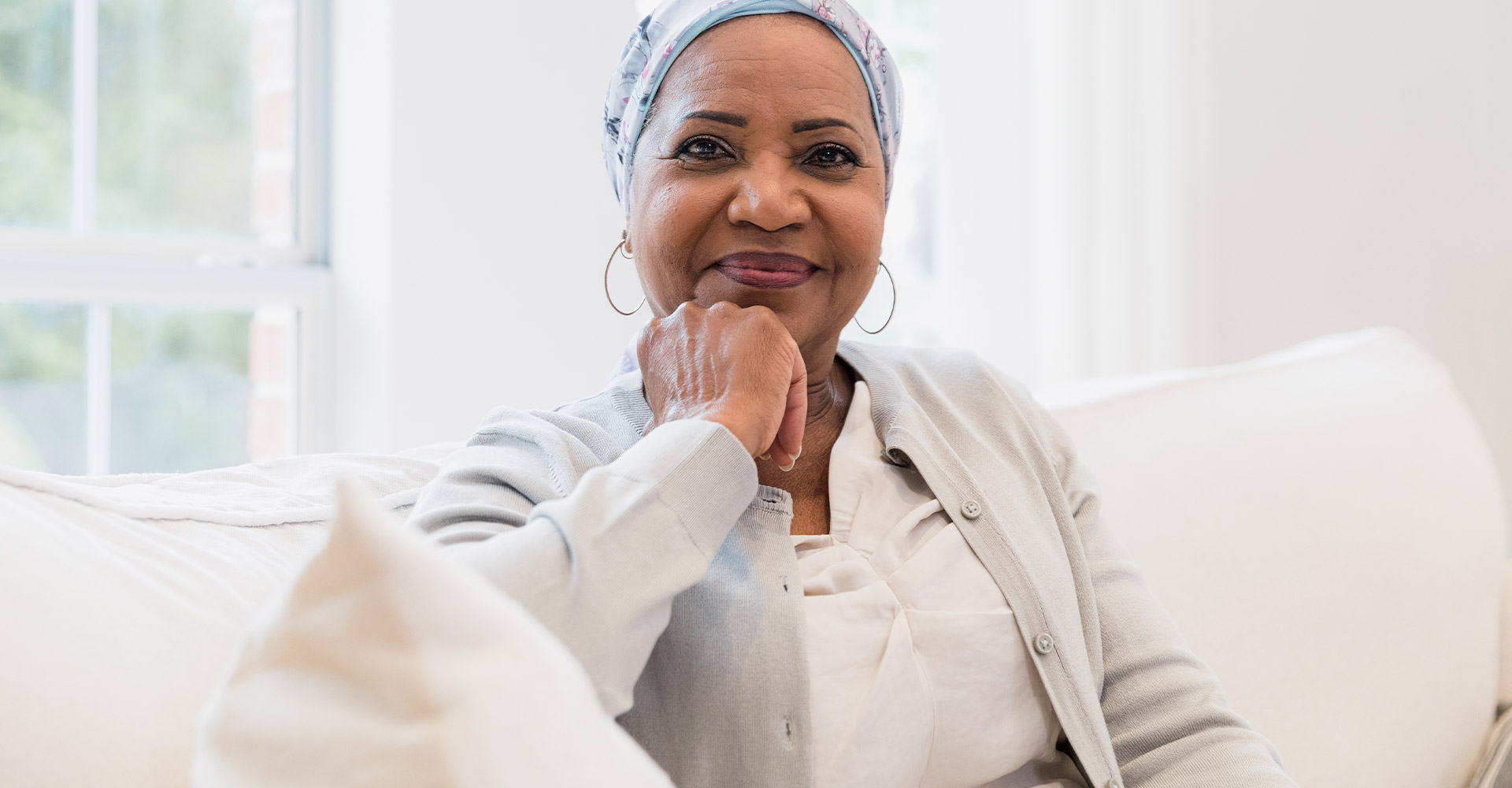
Cancer and Racial Minorities
Cancer does not impact all communities equally. Discover the unique challenges faced by racial and ethnic minorities and the importance of equitable access to care.