The Surprising Truth about HPV and Head and Neck Cancers

Learn how HPV can increase the risk of certain head and neck cancers and what steps you can take to protect yourself and your loved ones.
Thanks to awareness and vaccination campaigns over the last few decades, many people know the HPV virus is a common sexually transmitted infection that can lead to genital warts and cervical cancer.
HPV-related head and neck cancers have surpassed cervical cancer in the U.S..
According to the CDC, more than 42 million Americans are infected with HPV and 13 million more Americans, including teens, get the virus each year. Although most of the infections clear up within 2 years, some types of HPV cause cancers of the cervix, vagina, vulva, penis, anus, and back of the throat (including tonsils and tongue).
HPV-Related Head and Neck Cancer Risk Factors
The type of head and neck cancer related to HPV tends to be more prevalent in white men between the ages of 50 and 70. This type of cancer isn’t the same as head and neck cancer caused by heavy smoking and/or alcohol use. This type can affect otherwise healthy men.
Though almost everyone who has ever been sexually active has been exposed to HPV, the majority of people clear the virus with no ill effect. But for some people, HPV can be non-active for many years and then slowly develop into pre-cancerous cells and, eventually, cancer. And unlike cervical cancer, which can be detected early, there’s no good screening test for head and neck cancer at the moment.
Signs and Symptoms of Head and Neck Cancer
Tumors
These tumors tend to occur in the tonsils or the back of the tongue and may spread to the lymph nodes in the neck.
Lump/mass in the neck
One of the most common early symptoms is a lump or a mass in the neck.
Other symptoms
A severe sore throat that persists for a few weeks, one-sided ear pain, pain with swallowing, or unexplained weight loss.
Treatment and Prevention
Treatment options include surgery, chemotherapy, and/or radiation.
Transoral robotic surgery has been a game changer, allowing surgeons to avoid complicated surgeries, and instead reaching the tumor through the mouth—which often leads to a quicker recovery and good outcomes.
The outlook is best when doctors catch HPV-related head and neck cancers early. That’s why awareness is so important.
Since the introduction of the HPV vaccine in 2006, HPV-related cancers have dropped significantly. The vaccine consists of 2 doses when given at the age of 11-12 years. For children 15 and older, 3 doses are needed. For people aged 15-26, the vaccination is still recommended. For adults over 26, talk to your primary care provider. For more information, click here.
If you have a painless neck mass that isn’t going away for several weeks, definitely have it evaluated.
Head and Neck Cancers
Medical and surgical expertise from our caring team of providers in the treatment of head & neck cancers. To schedule an appointment, call 216-778-4391 Option 4. Or visit: metrohealth.org/otolaryngology/head-and-neck-cancers
Featured Medical Providers
You May Also Like

Empowered Through Awareness: Taking Charge of Your Breast Health
A breast cancer diagnosis can be overwhelming, but behind every diagnosis is a story of strength, courage, and hope.

Steady Steps: Preventing Falls and Improving Balance at Any Age
Falls are one of the leading causes of injury among adults, but many falls can be prevented through awareness, education, and simple lifestyle changes.
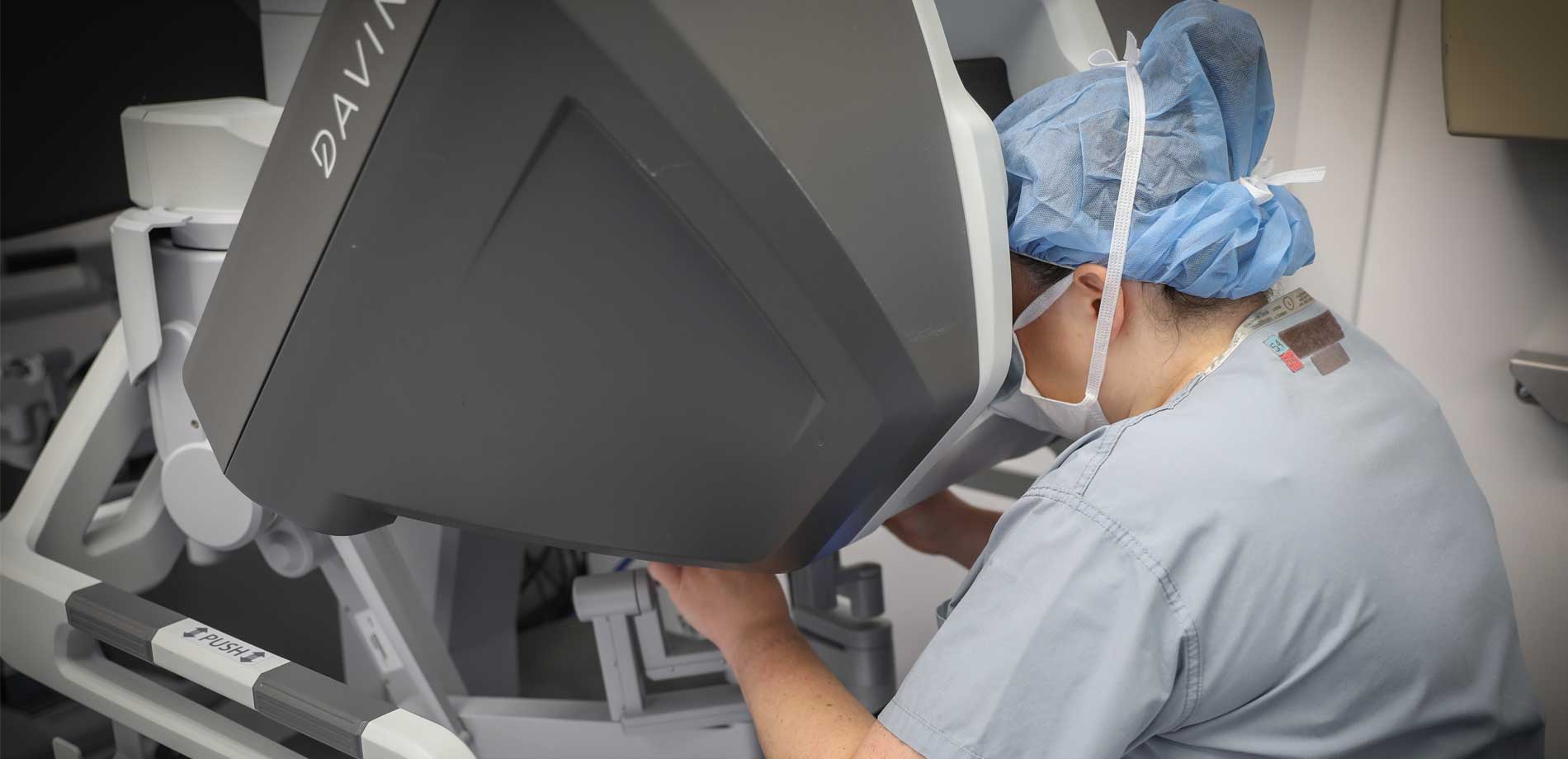
The Advantages of Robotic-Assisted Surgery
Discover how MetroHealth's advanced robotic-assisted surgery technology helps surgeons perform procedures with greater precision, leading to less pain and faster recovery.

Six Steps to Stay Ahead of Brain Health
Keep your brain healthy as you age. Learn six simple habits that can support memory, focus and overall brain health every day.

Apple Oatmeal Crisp
Difficulty: Easy

Healthy Aging Tips for 40-70 and Beyond
No matter your age, small healthy choices can make a big difference. Explore practical tips for healthy aging from your 40s through your 70s and beyond.

Swing Strong: Golf Joint Health and Injury Prevention
Learn expert tips to protect your joints, improve mobility, and stay injury-free on and off the course.

Back-to-School Sports Safety
Sports help kids grow stronger, build confidence and learn important life skills. Here’s how parents can help keep them safe all season long.

Help Your Hearing: Recognizing Early Signs of Hearing Loss
Are you noticing a difference in how you hear? You’re not alone. Hearing loss is common and can be overlooked in the early stages.
Join Our Be SimplyWell Community
Be SimplyWell is a trusted collection of easy to understand health tips, videos, events and newsletters created by MetroHealth providers to help you take simple steps toward feeling your best.