Travel Free from Stomach Trouble

Planning a trip? A few simple precautions can help you avoid stomach trouble while traveling and keep your focus on enjoying the journey.
Whether you’re on an international trip of a lifetime or a vacation closer to home, symptoms such as heartburn, motion sickness and gastroenteritis — which can cause diarrhea, cramps, nausea and vomiting — can interfere with your plans.
“There are all sorts of illnesses you can encounter while traveling, but gastrointestinal problems can be especially bothersome,” says Ronnie Fass, MD, director of the Division of Gastroenterology and Hepatology at MetroHealth. People tend to overindulge with rich or exotic foods, which don’t pair well with long car trips or flights.
He packs the following four medications in his own travel bags to keep gastrointestinal problems at bay:
Antireflux medications
Antireflux drugs treat heartburn and are available over-the-counter. Antacids like calcium carbonate (Tums) neutralize stomach acid and can provide immediate but short-term heartburn relief. H2 blockers such as famotidine (Pepcid AC) reduce acid production and can provide all-day symptom relief.
If you’re prone to heartburn, you may want to take a proton pump inhibitor (PPI) such as omeprazole (Prilosec) daily to decrease stomach acid, as long as the trip is only for a week or two. “Some studies suggest that PPIs may make you more prone to gastroenteritis,” says Dr. Fass.
Antiemetics
These drugs relieve nausea and vomiting and are useful for motion sickness. “Definitely pack these if you know you are prone to motion sickness and you’re going to be traveling by bus or on boats,” says Dr. Fass. Dimenhydrinate (Dramamine) is one popular over-the-counter option. Dr. Fass usually travels with a scopolamine patch (Transderm Scop), which requires a prescription and is placed behind the ear.
Anti-diarrheal medicines
Anti-diarrheal medicines slow or stop diarrhea. These are available over-the-counter and include loperamide (Imodium). “Generic forms of this drug are very inexpensive,” says Dr. Fass. Anti-diarrheal medicines can reduce or relieve diarrhea-associated gastroenteritis.
Antibiotics
Medications such as rifaximin (Xifaxan) and ciprofloxacin (Cipro) can treat gastroenteritis caused by bacteria in food or drinking water, a condition commonly called traveler’s diarrhea. Traveling in developing countries with a lack of clean water or refrigeration puts you at higher risk. While some people start taking antibiotics right before a trip to prevent becoming ill, Dr. Fass encourages his patients to wait until they develop symptoms such as belly pain, nausea, vomiting and diarrhea.
Some tips to help prevent digestive issues on vacation:
- Try to avoid overeating, especially when it comes to rich or spicy foods
- It may be tempting to try street food or a roadside dive, but keep an eye out for cleanliness
- Consume cooked food that’s still hot
- Avoid excess caffeine — caffeine is a digestive system irritant and can amplify issues
- Wash fruit or vegetables very carefully in clean water and peel them before eating
- If you’re in a foreign country, drink only bottled water
- Avoid seafood if you can’t verify that it is fresh
- Carry hand sanitizer for occasions when clean water and soap aren’t available
If you experience ongoing or persistent stomach pains and over-the-counter medications don’t seem to help, it may be time to see the doctor.
Gastroenterology & Digestive Health
Our team treats a variety of gastrointestinal symptoms, such as heartburn, gallstones, acid reflux, swallowing disorders, constipation, or pancreatitis.
To schedule an appointment, call 216-778-5736. For more information, visit metrohealth.org/gastroenterology-digestive-health.
Your Questions Answered
Q. How can I avoid getting an upset stomach while traveling?
A. Before your trip, make sure routine vaccines are up to date. Drink bottled or treated water if you're not sure the local water is safe. Eat foods that are cooked and served hot, and avoid raw foods that may have been washed in unsafe water. Wash your hands often or use hand sanitizer before eating.
Q. What should I pack in case I get sick while traveling?
A. A small travel health kit can help. Pack items like hand sanitizer, anti-diarrheal medicine, pain relievers, and any prescription medications you take. It's also a good idea to bring oral rehydration packets to help replace fluids if you develop diarrhea or vomiting.
Q. When should I see a doctor for travel-related stomach problems?
A. Most mild stomach illnesses get better within a few days. Contact a healthcare provider if you have severe diarrhea, blood in your stool, signs of dehydration, a high fever, or symptoms that last more than a few days. Seek medical care right away if you feel very weak or cannot keep fluids down.
Featured Medical Providers
You May Also Like

Empowered Through Awareness: Taking Charge of Your Breast Health
A breast cancer diagnosis can be overwhelming, but behind every diagnosis is a story of strength, courage, and hope.

Steady Steps: Preventing Falls and Improving Balance at Any Age
Falls are one of the leading causes of injury among adults, but many falls can be prevented through awareness, education, and simple lifestyle changes.
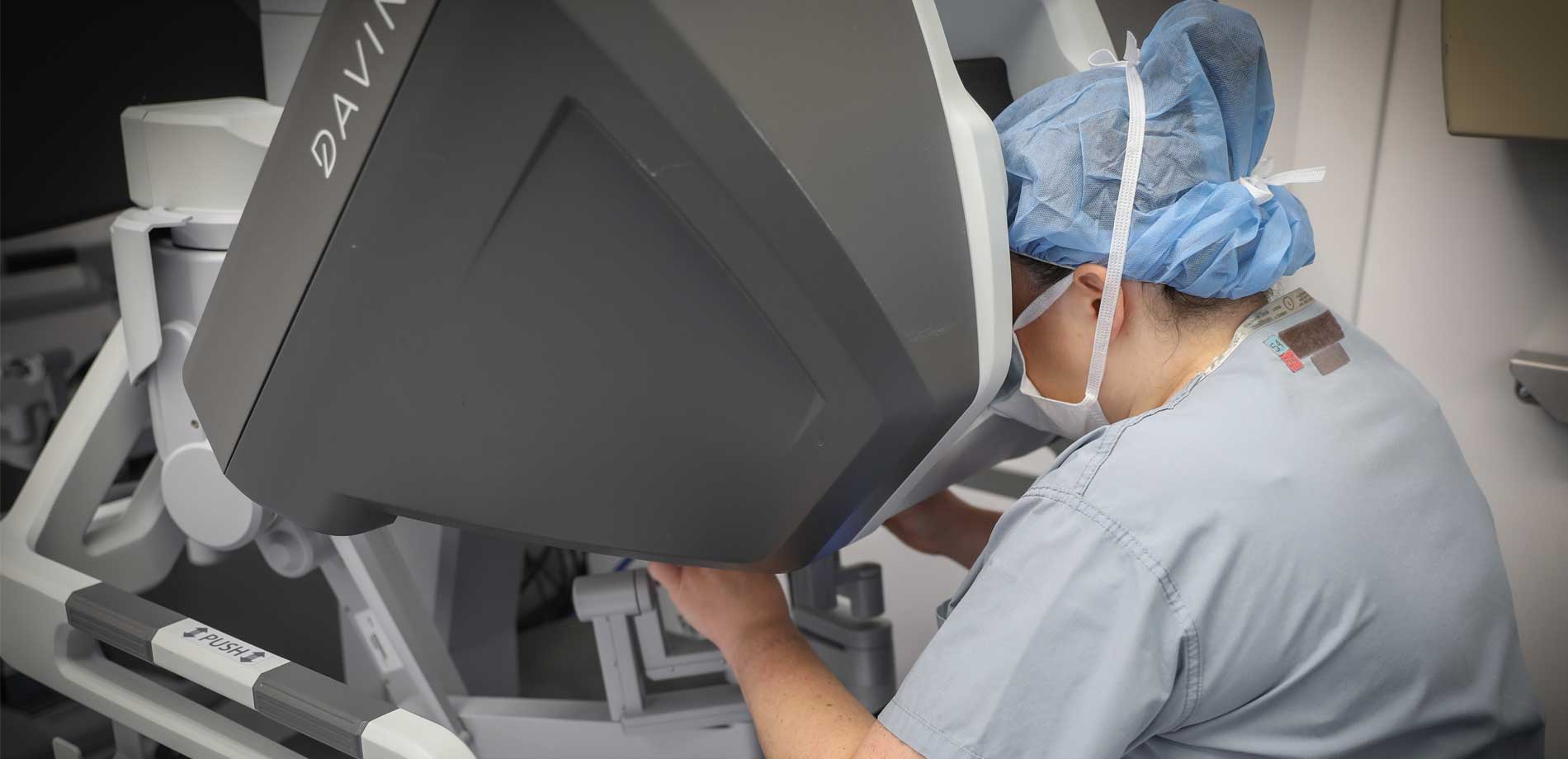
The Advantages of Robotic-Assisted Surgery
Discover how MetroHealth's advanced robotic-assisted surgery technology helps surgeons perform procedures with greater precision, leading to less pain and faster recovery.

Six Steps to Stay Ahead of Brain Health
Keep your brain healthy as you age. Learn six simple habits that can support memory, focus and overall brain health every day.

Apple Oatmeal Crisp
Difficulty: Easy

Healthy Aging Tips for 40-70 and Beyond
No matter your age, small healthy choices can make a big difference. Explore practical tips for healthy aging from your 40s through your 70s and beyond.

Swing Strong: Golf Joint Health and Injury Prevention
Learn expert tips to protect your joints, improve mobility, and stay injury-free on and off the course.


Back-to-School Sports Safety
Sports help kids grow stronger, build confidence and learn important life skills. Here’s how parents can help keep them safe all season long.

Help Your Hearing: Recognizing Early Signs of Hearing Loss
Are you noticing a difference in how you hear? You’re not alone. Hearing loss is common and can be overlooked in the early stages.
Stay Connected
Join Our Be SimplyWell Community