Spotting the Signs of Dementia and Alzheimer's Disease

Is forgetfulness a normal part of aging or something more? Learn the warning signs of dementia and Alzheimer’s disease and when to seek help.
What's the difference between Alzheimer’s and dementia?
Dementia is a general term for conditions that cause problems and changes with memory, language, thinking, social skills, problem-solving and mood and emotions, and Alzheimer’s is the most common kind of dementia, says Michelle Dietz, MD, MetroHealth Department Chair of Geriatric Medicine.
Other common types include:
Doctors aren’t sure exactly why someone develops Alzheimer’s. Those with the disease have clumps of beta-amyloid plaque in their brain. Doctors can see these plaques on PET scans and can measure beta-amyloid protein through special lab tests.
Lewy body dementia
This is caused by abnormal brain deposits of a protein called alpha-synuclein.
Parkinson's dementia
A brain disorder, Parkinson’s disease also causes uncontrollable body movements, such as shaking and loss of balance.
Things that can increase your risk of dementia include:
- A family history of Alzheimer’s or another kind of dementia.
- Genetic factors that can predispose you to dementia.
- Prior head injury.
- Certain medical conditions, such as diabetes, hypertension and obesity.
- Not getting enough sleep on a regular basis.
- Social isolation.
No, but several important lifestyle changes may help reduce your risk of cognitive decline:
- Stay physically active. Adults should get at least 150 minutes of moderately intense aerobic activity each week. Check with your doctor what exercises are right for you.
- Challenge your mind. Learning new skills may help protect your cognitive health. Try word puzzles, math games, dance classes, learning a new language, even playing video games.
- Eat a healthful, balanced diet. This also helps you manage other conditions that contribute to dementia.
- Keep other medical problems well controlled. This includes treating high blood pressure and diabetes.
- Get quality sleep. Adults should get at least seven hours each night.
- Maintain good social interactions and relationships. Meet new people through volunteering, senior centers or church groups.
There’s no cure for Alzheimer’s but doctors have several treatments to help manage symptoms. Most are only available when someone is in the early stages of dementia. So, it’s critical to seek medical help as soon as you spot the signs in yourself or a loved one.
- Memory loss, especially of recent information.
- Difficulty planning and problem solving.
- Keeping track of important dates or routine activities, such as bill paying.
- Struggle with finding the right words or maintaining a conversation.
- Mood or behavior changes.
If you notice these in your loved one, suggest seeing a doctor without making a diagnosis yourself. Sometimes there’s something else that could be causing memory problems, such as thyroid issues or medications.
MetroHealth Geriatric Medicine
The MetroHealth Geriatric Specialists offer compassionate care through our Senior Health Outpatient program. For appointments, call 216-957-2100 or visit: metrohealth.org/geriatrics
Featured Medical Providers
You May Also Like

Empowered Through Awareness: Taking Charge of Your Breast Health
A breast cancer diagnosis can be overwhelming, but behind every diagnosis is a story of strength, courage, and hope.

Steady Steps: Preventing Falls and Improving Balance at Any Age
Falls are one of the leading causes of injury among adults, but many falls can be prevented through awareness, education, and simple lifestyle changes.
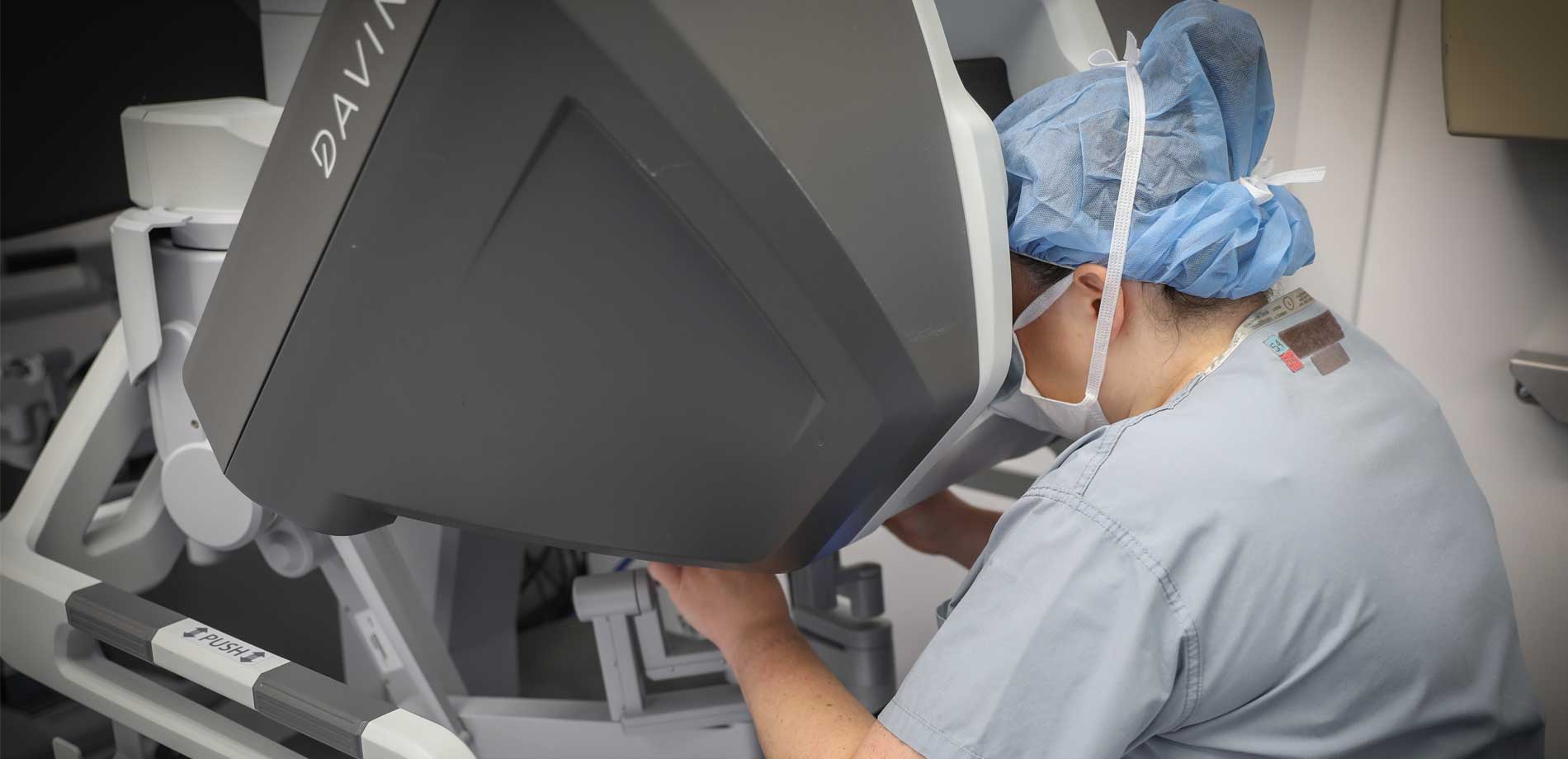
The Advantages of Robotic-Assisted Surgery
Discover how MetroHealth's advanced robotic-assisted surgery technology helps surgeons perform procedures with greater precision, leading to less pain and faster recovery.

Six Steps to Stay Ahead of Brain Health
Keep your brain healthy as you age. Learn six simple habits that can support memory, focus and overall brain health every day.

Apple Oatmeal Crisp
Difficulty: Easy

Healthy Aging Tips for 40-70 and Beyond
No matter your age, small healthy choices can make a big difference. Explore practical tips for healthy aging from your 40s through your 70s and beyond.

Swing Strong: Golf Joint Health and Injury Prevention
Learn expert tips to protect your joints, improve mobility, and stay injury-free on and off the course.

Back-to-School Sports Safety
Sports help kids grow stronger, build confidence and learn important life skills. Here’s how parents can help keep them safe all season long.

Help Your Hearing: Recognizing Early Signs of Hearing Loss
Are you noticing a difference in how you hear? You’re not alone. Hearing loss is common and can be overlooked in the early stages.
Stay Connected
Join Our Be SimplyWell Community