Simple Ways to Make Celebrations Safer and More Fun for All Kids
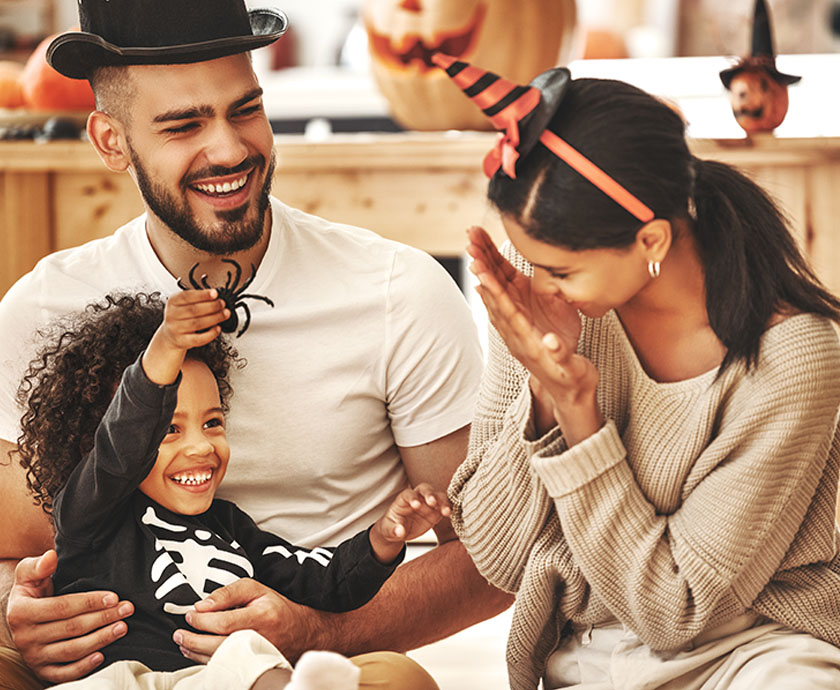
Make celebrations safer and more enjoyable for every child with simple tips that help kids of all abilities feel comfortable and included.
Halloween costumes. Holiday parties. Bright lights. Loud music. Special foods. For many families, these traditions bring excitement and joy.
But for children with autism, sensory needs or developmental disabilities, all the sights, sounds and changes in routine can sometimes feel like too much.
Every child is different. What helps one child may not help another. The key is finding what works best for your child's needs, strengths and personality.
"The holidays should be fun for every child. The goal is to give your children memories they can take with them as they get older," said Ruth Villarosa, MD, a MetroHealth pediatrician who cares for children with complex medical and special health care needs. "A little planning can go a long way in helping children feel safe, comfortable and included."
Whether you're getting ready for Halloween, Christmas, Hanukkah or another celebration, these tips can help make the season more enjoyable for the whole family.
Prepare Your Child for What's Coming
Most children feel better when they know what to expect. Keeping routines as normal as possible can help, especially for children with autism, sensory needs or other special needs.
Before a holiday event, talk with your child about what will happen. Tell them where you're going, who will be there and what you will do. If possible, show them pictures of the place or drive by it ahead of time. Give your child time to ask questions.
Here are more ways to help your child get ready:
- Keep regular routines, such as meals and bedtime, as much as possible.
- Choose comfortable holiday clothes and costumes. Soft, familiar clothing can be worn underneath, as long as it does not create a choking or suffocation risk.
- Check clothing and costumes for itchy tags, loose seams or threads.
- Explain what will happen, who will be there and what foods may be served.
- Talk about how you expect your child to behave, using simple and clear words.
- Plan quiet breaks away from noise and activity.
- Bring familiar snacks or allergy-friendly foods if needed.
- Let your child leave early or skip an activity if they need to.
Create a Plan for Breaks
Holiday celebrations can be exciting, but they can also be tiring or overwhelming.
Dr. Villarosa encourages parents to plan a quiet, safe place where children can take a break. Families can also choose a special word or signal children can use when they need some quiet time.
"Let your child know it's okay to step away," she said. "They don't have to participate in every activity."
Comfort items can help, too. Consider bringing a favorite stuffed animal, headphones, fidget toy or blanket.
Make Halloween Comfortable
Costumes can feel uncomfortable for children who are sensitive to certain fabrics, sounds or things touching their face.
Remember, the goal isn't to have the perfect costume. It's to help your child enjoy Halloween.
Try these ideas:
- Choose soft, comfortable fabrics.
- Buy costumes one or two sizes larger so your child can wear comfortable clothes underneath.
- Let your child practice wearing the costume for short periods before Halloween.
- Skip masks or face paint if they feel uncomfortable.
- If your child uses headphones, try making them part of the costume.
- Skip the costume altogether if your child prefers. Halloween pajamas or a favorite character shirt can be just as fun.
Trick-or-Treating Doesn't Have to Look the Same
Not every child enjoys trick-or-treating, and that's OK. There are many other ways to celebrate Halloween.
Your family could:
- Decorate cookies or make crafts.
- Have a Halloween movie night.
- Read Halloween books together.
- Plan a neighborhood scavenger hunt on another day.
- Play Halloween bingo by looking for different costumes.
- Trade candy for a favorite snack or activity.
- Hand out safe, age-appropriate non-food treats.
- Keep decorations simple and use softer lighting.
If your family goes trick-or-treating, choose a short, familiar route. It's OK to go home early if your child has had enough.
You can also help make Halloween more welcoming for other children. Not every child can eat or wants candy. Consider offering non-food treats, such as stickers, crayons, pencils, bubbles, small puzzles or fidget toys, along with candy.
Don’t Forget to Have Fun
Holidays don't have to be perfect to be special. Pay attention to what your child enjoys, take breaks when needed and focus on spending time together.
"The safer and less stressful we make the holidays, the more families can spend time simply enjoying one another," Dr. Villarosa said. "After all, the best holidays are the ones when everything did not go perfectly well but when everyone was perfectly well."
Connect With a Pediatric Provider
Take the first step toward your child’s healthiest future.
Schedule an appointment today and connect with care that supports your family.
Call 216-778-2222 to schedule an appointment, or see a full list of our pediatric providers.
For more information, visit Pediatric Care at www.metrohealth.org.
Featured Medical Providers
Quick Tips
Talk with your family about staying safe before the fun begins.
- Review the route.
- Look both ways before crossing.
- Designate an adult to supervise.
- Choose a meeting spot.
- Teach your phone number.
- Consider an ID bracelet or card.
- Add reflective items to costumes.
Recent Articles

The Advantages of Robotic-Assisted Surgery
Discover how MetroHealth's advanced robotic-assisted surgery technology helps surgeons perform procedures with greater precision, leading to less pain and faster recovery.

Six Steps to Stay Ahead of Brain Health
Keep your brain healthy as you age. Learn six simple habits that can support memory, focus and overall brain health every day.

Healthy Aging Tips for 40-70 and Beyond
No matter your age, small healthy choices can make a big difference. Explore practical tips for healthy aging from your 40s through your 70s and beyond.
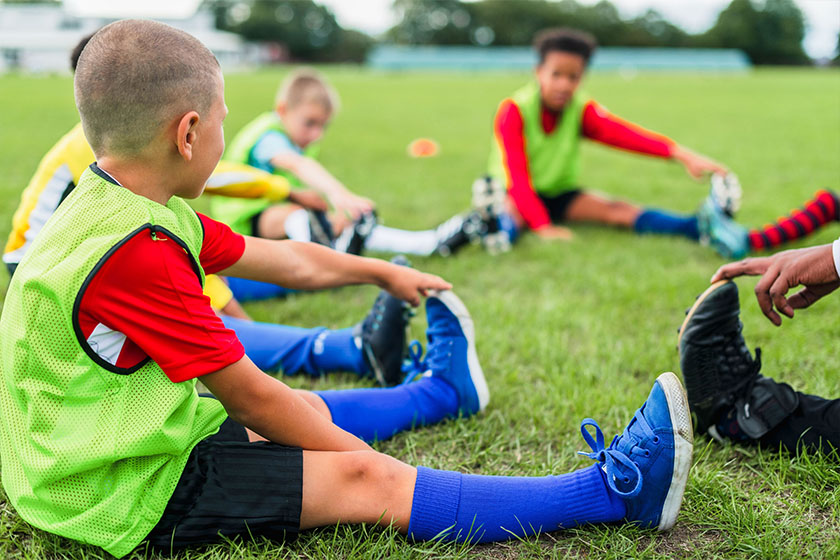
Back-to-School Sports Safety
Sports help kids grow stronger, build confidence and learn important life skills. Here’s how parents can help keep them safe all season long.
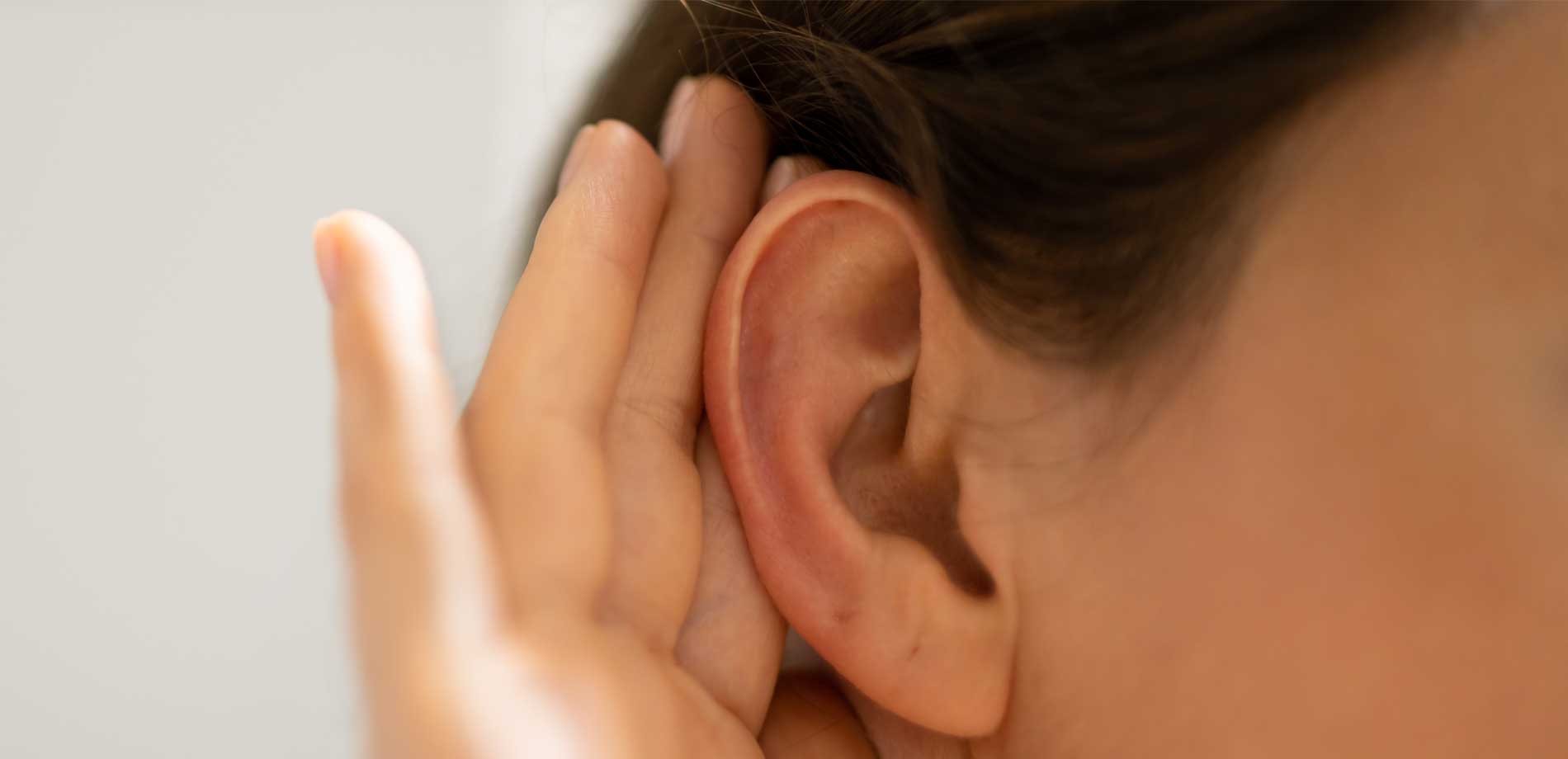
Signs of Hearing Loss and When to Seek Help
Frequently asking people to repeat themselves? Learn the common signs of hearing loss, when to get a hearing test and when it's time to seek help.
Stay Connected
Join Our Be SimplyWell Community