Why Black Women Face Higher Pregnancy Risks—and What You Can Do About It

Black women face higher risks during pregnancy, but knowledge and support can help. Learn steps you can take to protect your health and your baby's health.
Why Are Pregnancy Risks Higher for Black Women?
Pregnancy risks are affected by many factors. Black women often face challenges such as barriers to healthcare, difficulty accessing care, and past experiences that may make it harder to trust the healthcare system. These challenges can increase the risk of pregnancy complications, says Dr. Gibson.
Some pregnancy-related health problems that are more common in the Black community include:
- High blood pressure during pregnancy
- Preeclampsia (dangerously high blood pressure during pregnancy)
- Gestational diabetes
- Preterm birth (birth before 37 weeks)
- Low birth weight
- Maternal health complications during and after childbirth
Knowing the warning signs, getting prenatal care early, and keeping regular healthcare appointments can help support a healthier pregnancy for both mom and baby.
Pregnancy Care Focused on You and Your Baby
At MetroHealth, your health and your baby's health come first. “We provide the full range of pregnancy care, from midwives to high-risk pregnancy specialists, based on your individual needs and medical history,” says Dr. Gibson.
Care for a healthy pregnancy includes:
- Pre-pregnancy care: If you are thinking about becoming pregnant, schedule a visit with a healthcare provider. This can help you start your pregnancy as healthy as possible.
- Prenatal care: Once you are pregnant, your provider will check for health concerns that could affect you or your baby and create a care plan just for you. For example, if you have high blood pressure or are at risk for preeclampsia, you may have more frequent checkups and receive a home blood pressure monitor to help track your health.
- Postpartum care: Your care continues after your baby is born. For up to one year after delivery, your provider will monitor your physical and mental health and help you recover and stay well. Ohio Medicaid now covers postpartum care for one full year after childbirth.
Working to Improve Pregnancy Care
MetroHealth is working to improve pregnancy care for Black women by partnering with Birthing Beautiful Communities. This organization provides doulas who offer emotional, physical, and educational support during pregnancy, childbirth, and the first year after delivery.
This partnership is part of MetroHealth's commitment to reducing health disparities and helping all patients receive the care and support they need throughout every stage of life.
Disparities in pregnancy are going to lead to disparities in women when they are 50, 60, 70 and beyond. Pregnancy is a prime opportunity to help achieve health equity for the next several decades, not just for those nine months.
Ready to Make an Appointment?
For more information, or to schedule an appointment, visit metrohealth.org/obgyn
or call 216-778-4444.
Your Questions Answered
Q. Why do Black women face higher pregnancy risks?
A. Black women are more likely to experience serious pregnancy complications due to a mix of factors, including differences in access to care, chronic health conditions, and systemic barriers in healthcare.
Q. What can I do to have a healthier pregnancy?
A. Start prenatal care early, keep all appointments, follow your provider's recommendations, and speak up about any symptoms or concerns. Regular care can help identify problems early.
Q. What warning signs should I not ignore during pregnancy?
A. Call your healthcare provider right away if you have severe headaches, heavy bleeding, chest pain, trouble breathing, swelling that comes on suddenly, or if something just doesn't feel right. Trust your instincts and seek care.
Featured Medical Providers
You May Also Like

Empowered Through Awareness: Taking Charge of Your Breast Health
A breast cancer diagnosis can be overwhelming, but behind every diagnosis is a story of strength, courage, and hope.
What to Expect from a Modern Mammogram
Learn what to expect, how often to get screened and what an abnormal result means.

Hormone Therapy for Menopause: Myths vs. Facts
Hormone therapy can safely ease hot flashes and other menopause symptoms for many people. But it isn’t a cure-all. Here’s what’s true and what’s not.

Vascular Disease: Risks, Symptoms and Diabetes
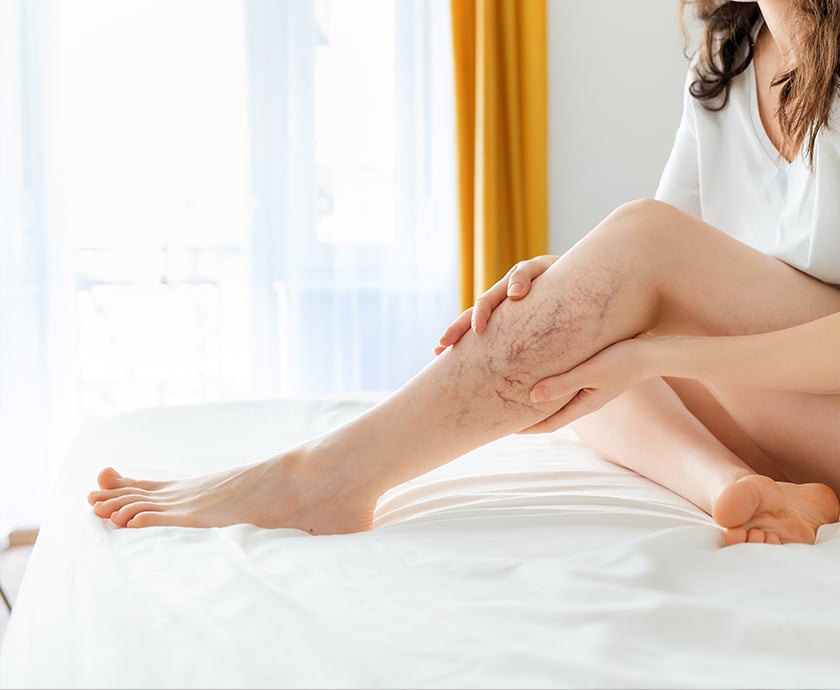
Blocked blood vessels can affect your brain, heart, legs and more. Learn who's at risk, why diabetes matters and simple steps to protect your circulation.

Worried About Falling? Try These Balance Exercises
Strong muscles help keep you steady. A few simple exercises can improve your balance and lower your chance of falling.

Steady Steps: Preventing Falls and Improving Balance at Any Age
Falls are one of the leading causes of injury among adults, but many falls can be prevented through awareness, education, and simple lifestyle changes.
The Advantages of Robotic-Assisted Surgery
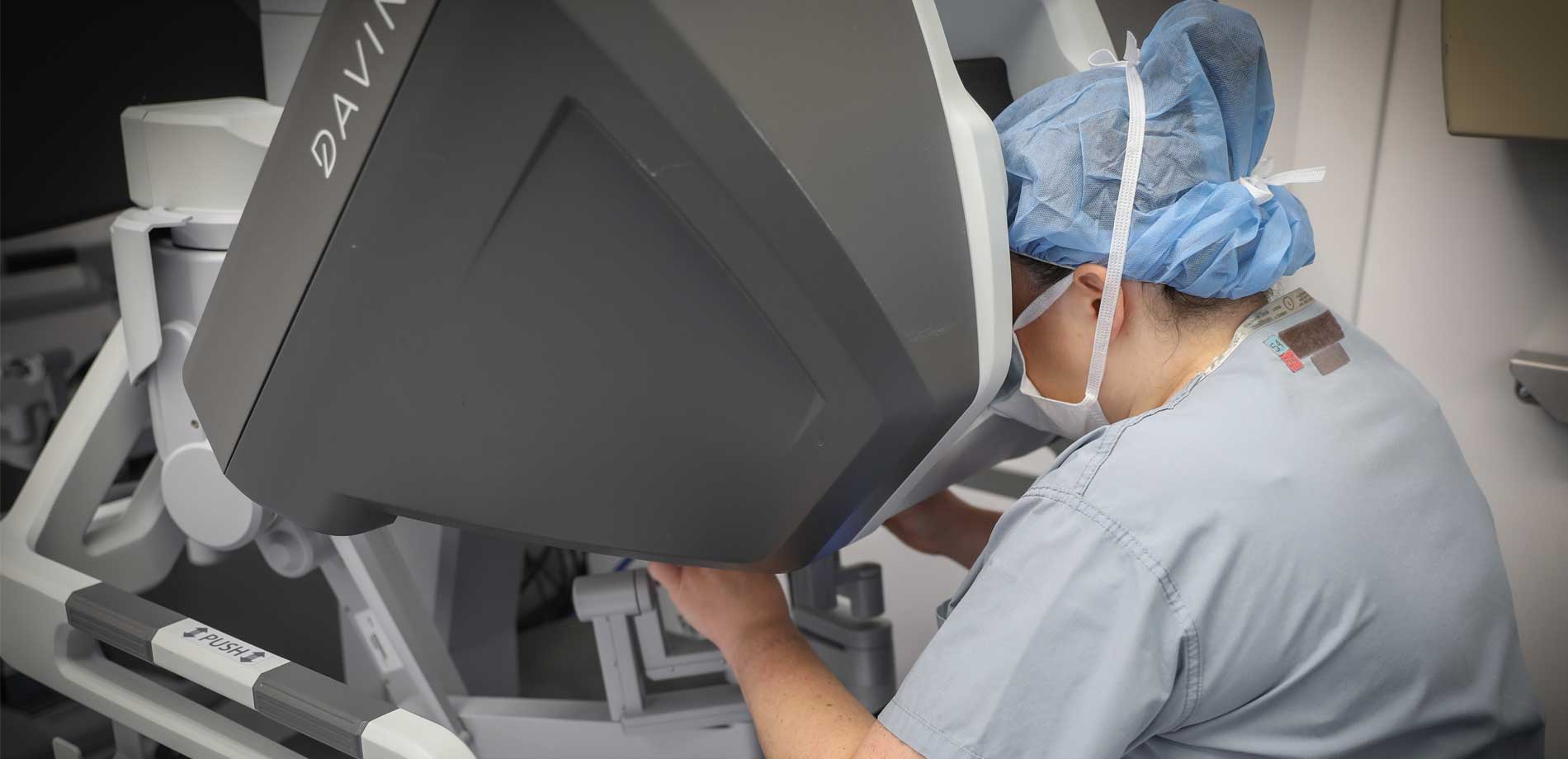
Discover how MetroHealth's advanced robotic-assisted surgery technology helps surgeons perform procedures with greater precision, leading to less pain and faster recovery.

Six Steps to Stay Ahead of Brain Health
Keep your brain healthy as you age. Learn six simple habits that can support memory, focus and overall brain health every day.
Stay Connected
Join Our Be SimplyWell Community