Heart Disease Risk After High-Risk Pregnancy: What Every Woman Should Know

Your pregnancy can offer important clues about your future heart health. If you experienced conditions like preeclampsia or gestational diabetes, understanding your risk and making healthy lifestyle changes can help protect your heart for years to come.
Heart health is often the last thing new moms think about, but many should. Certain pregnancy-related conditions, such as preeclampsia and gestational diabetes, can put women, especially Black women, at a higher lifelong risk for cardiovascular disease, says Kathleen Quealy, MD, a MetroHealth cardiologist.
The statistics are startling: Two out of three women in the United States who had preeclampsia will die of heart disease.
Understanding Preeclampsia and Heart Risks
Preeclampsia is a late-pregnancy condition where uncontrolled high blood pressure puts moms-to-be at risk for preterm delivery, seizures, strokes, and even death. It occurs in 5% to 8% of all pregnancies and impacts Black women the most.
Women who have had preeclampsia are twice as likely to develop heart disease and have a stroke, and four times as likely to develop hypertension, even five to 15 years after giving birth.
You’re at a higher risk of cardiovascular disease if you had preeclampsia and:
- delivered a pre-term and/or low birthweight baby
- had severe preeclampsia more than once
Highlighting Risks for Black Women
While cardiovascular is the number one killer of women, Black women have almost double the risk of stroke than white women.
Nearly 59% of Black women ages 20 and older have cardiovascular disease, says Dr. Quealy. Higher diabetes and obesity rates among Black individuals also increase their risk of high blood pressure and heart disease.
Making things worse, Black people face barriers to healthcare, such as structural racism, environmental factors, and lack of access to healthcare — all of which impact their overall risks.
That’s where MetroHealth’s Cardiology Risk Factor Modification Clinic comes in. The clinic helps women (and men) at high risk for cardiovascular disease reduce or manage their risk factors. If you experienced preeclampsia or gestational diabetes during pregnancy, pay special attention. These important lifestyle changes may reduce your heart disease risk by up to 80%:
- Get checked out. A primary care provider can discuss risks and check your current blood pressure, cholesterol, and blood sugar numbers.
- Eat a heart-healthy diet. Simple changes like limiting red meat and processed and packaged food, and upping the intake of fresh fruit and vegetables, make a big difference.
- Watch salt intake. “People of color, in general, are much more sensitive to the effects of salt in their diet,” says Dr. Quealy. Aim for less than 1,500 mg of sodium a day.
- Get active. Try to get 30 minutes of exercise a day, even split up throughout the day, at least five days a week. Every little bit helps.
- Don’t smoke. Or, if you smoke, do your best to quit.
- Reduce weight. If you are overweight, losing even 5% of your body weight can get your blood pressure into a healthy range.
MetroHealth Heart & Vascular Center
Our team is also committed to state-of-the-art research that could help prevent or treat cardiovascular disease.
Appointments: 216-778-2328 (BEAT) Pediatric Appointments: 216-778-2222.
Learn more about our team at metrohealth.org/cardiology
Featured Medical Providers
You May Also Like

Empowered Through Awareness: Taking Charge of Your Breast Health
A breast cancer diagnosis can be overwhelming, but behind every diagnosis is a story of strength, courage, and hope.

Steady Steps: Preventing Falls and Improving Balance at Any Age
Falls are one of the leading causes of injury among adults, but many falls can be prevented through awareness, education, and simple lifestyle changes.
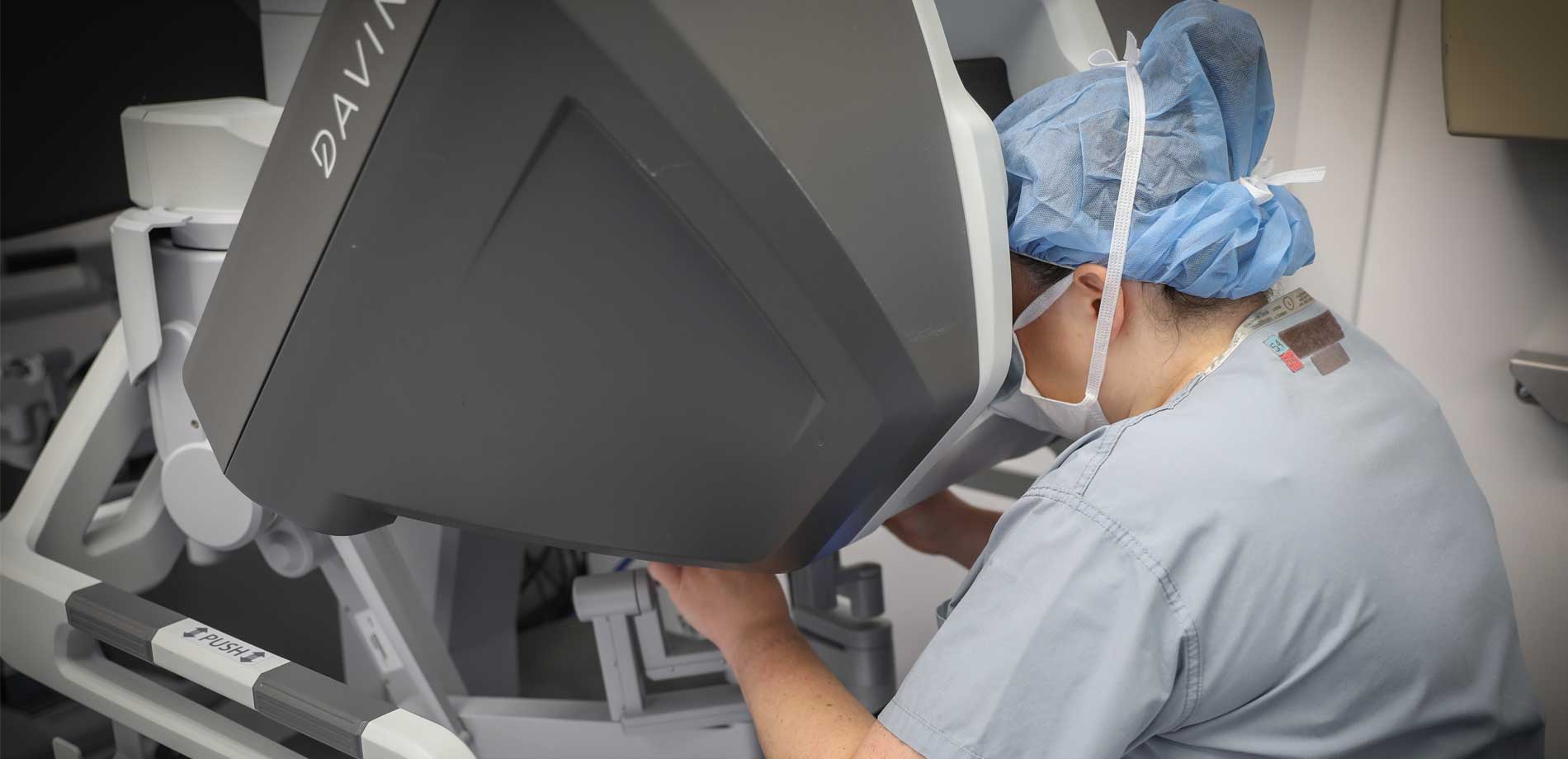
The Advantages of Robotic-Assisted Surgery
Discover how MetroHealth's advanced robotic-assisted surgery technology helps surgeons perform procedures with greater precision, leading to less pain and faster recovery.

Six Steps to Stay Ahead of Brain Health
Keep your brain healthy as you age. Learn six simple habits that can support memory, focus and overall brain health every day.

Apple Oatmeal Crisp
Difficulty: Easy

Healthy Aging Tips for 40-70 and Beyond
No matter your age, small healthy choices can make a big difference. Explore practical tips for healthy aging from your 40s through your 70s and beyond.

Swing Strong: Golf Joint Health and Injury Prevention
Learn expert tips to protect your joints, improve mobility, and stay injury-free on and off the course.

Back-to-School Sports Safety
Sports help kids grow stronger, build confidence and learn important life skills. Here’s how parents can help keep them safe all season long.

Help Your Hearing: Recognizing Early Signs of Hearing Loss
Are you noticing a difference in how you hear? You’re not alone. Hearing loss is common and can be overlooked in the early stages.