Essential Health Numbers You Should Know: Blood Pressure, Cholesterol, BMI & More
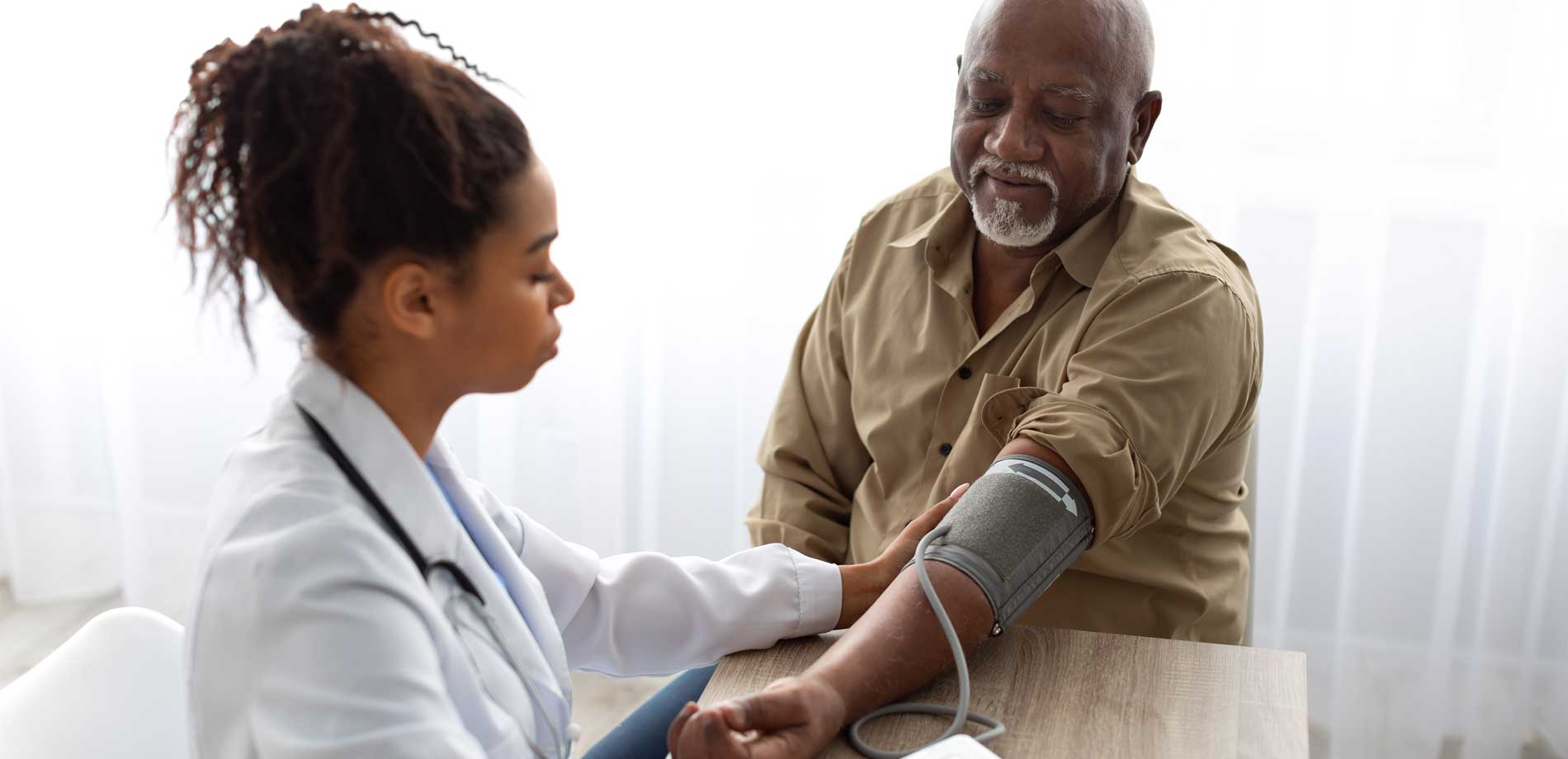
Nearly half of Americans have high blood pressure. Here’s what you need to know, including how to keep your blood pressure under control.
Know Your Numbers - View Details
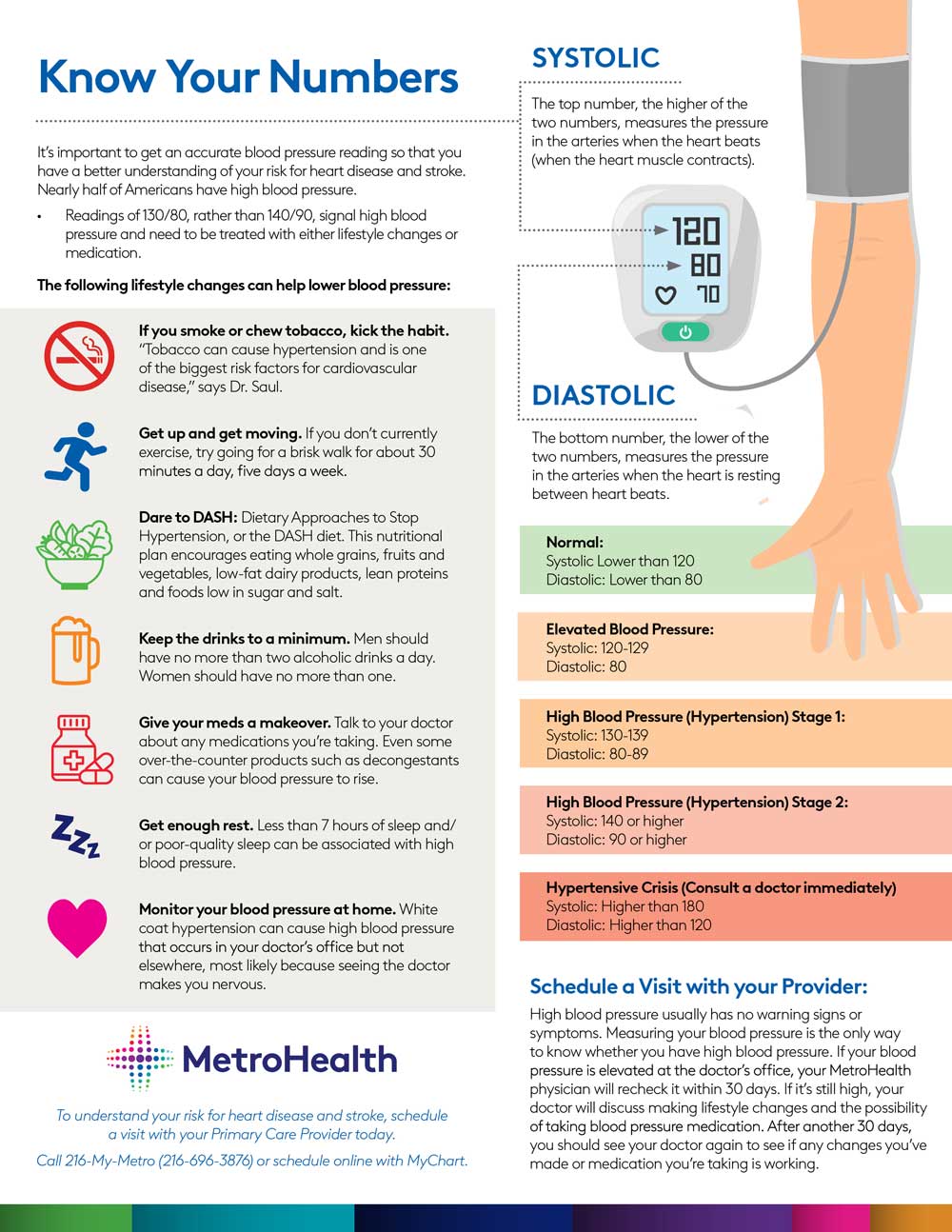
According to the 2017 blood pressure guidelines from the American College of Cardiology and the American Heart Association, readings of 130/80, rather than 140/90, signal high blood pressure and need to be treated with either lifestyle changes or medication.
The new guidelines don’t mean that you should be worried. They’re designed to encourage doctors to follow patients’ blood pressure more closely and to recommend effective lifestyle changes and, in some cases, to be more aggressive when prescribing blood pressure medications.
If you have elevated or high blood pressure and other medical conditions such as heart disease, kidney disease, or diabetes, you may need blood pressure medication. Most blood pressure medications “are very well tolerated and have few side effects,” says Dr. Saul.
If your blood pressure is normal, having it checked annually is fine.
The following lifestyle changes can help lower blood pressure:
- If you smoke or chew tobacco, kick the habit. Tobacco can cause hypertension and is one of the biggest risk factors for cardiovascular disease.
- Get up and get moving. If you don’t currently exercise, try going for a brisk walk for about 30 minutes a day, five days a week.
- Dare to DASH. Dietary Approaches to Stop Hypertension or the DASH diet is recommended. This nutritional plan encourages eating whole grains, fruits and vegetables, low-fat dairy products, lean proteins, and foods low in sugar and salt.
- Keep the drinks to a minimum. Men should have no more than two alcoholic drinks a day. Women should have no more than one.
- Give your meds a makeover. Talk to your doctor about any medications you’re taking. Even some over-the-counter products such as decongestants can cause your blood pressure to rise.
If your blood pressure is elevated at the doctor’s office, your MetroHealth physician will recheck it within 30 days. If it’s still high, your doctor will discuss making lifestyle changes and the possibility of taking blood pressure medication. After another 30 days, you should see your doctor again to see if any changes you’ve made or medication you’re taking is working.
The new recommendations also encourage home blood pressure monitoring to help diagnose white coat hypertension. This is high blood pressure that occurs in your doctor’s office but not elsewhere, most likely because seeing the doctor makes you nervous. Talk to your doctor about which home monitoring unit may be right for you.
Find a Provider
Need to find a MetroHealth primary care physician near you?
MetroHealth has been recognized by the Target: BP Recognition Program, an initiative developed by the American Medical Association, for helping patients manage high blood pressure, reducing the number of adult patients with uncontrolled high blood pressure, and ultimately building a healthier community.
Featured Medical Providers
Recent Articles
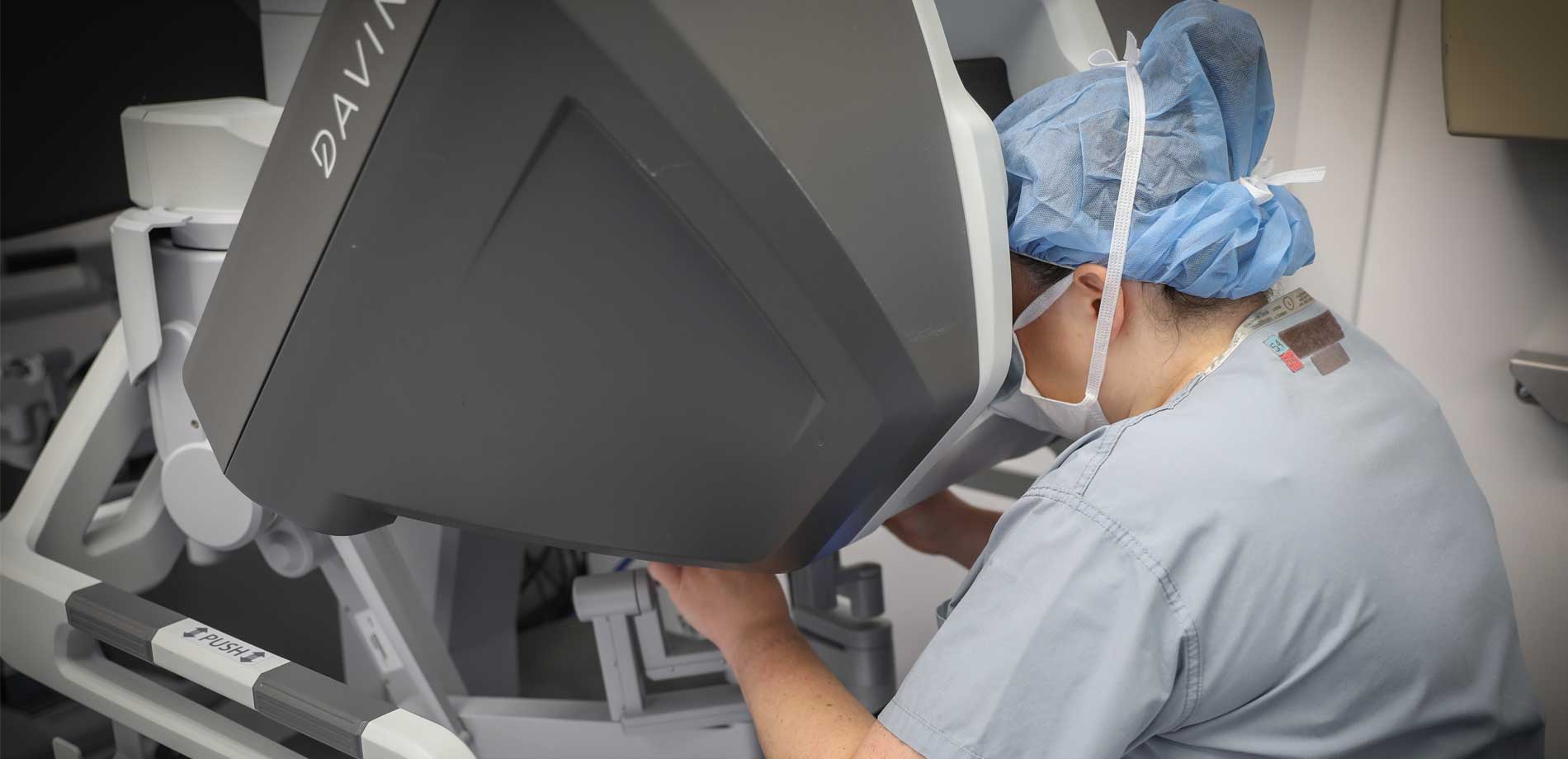
The Advantages of Robotic-Assisted Surgery
Discover how MetroHealth's advanced robotic-assisted surgery technology helps surgeons perform procedures with greater precision, leading to less pain and faster recovery.

Six Steps to Stay Ahead of Brain Health
Keep your brain healthy as you age. Learn six simple habits that can support memory, focus and overall brain health every day.

Healthy Aging Tips for 40-70 and Beyond
No matter your age, small healthy choices can make a big difference. Explore practical tips for healthy aging from your 40s through your 70s and beyond.

Back-to-School Sports Safety
Sports help kids grow stronger, build confidence and learn important life skills. Here’s how parents can help keep them safe all season long.
Signs of Hearing Loss and When to Seek Help
Frequently asking people to repeat themselves? Learn the common signs of hearing loss, when to get a hearing test and when it's time to seek help.
Stay Connected
Join Our Be SimplyWell Community