Child Life Specialists: Helping Kids Feel Safe and Supported
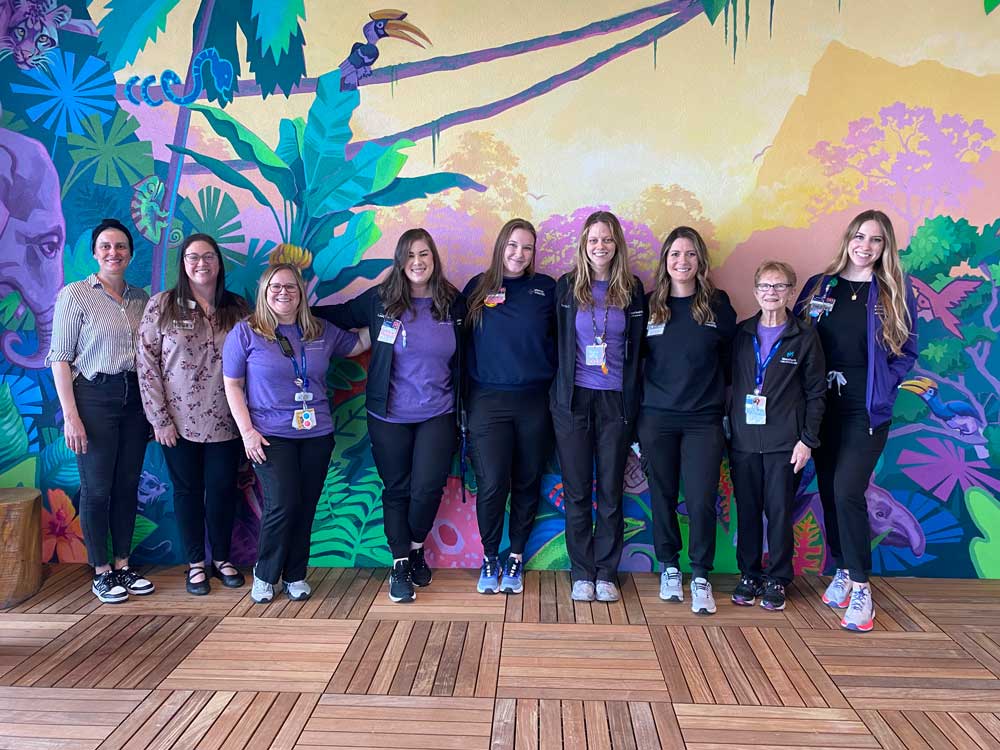
When a child is in the hospital, it can feel scary. Child Life Specialists help kids and families feel more comfortable, supported and prepared for care.
A hospital visit can be scary for a child. It can also be stressful for parents and caregivers. Child Life Specialists help make the experience easier by supporting children and their families during medical care.
What Is a Child Life Specialist?
Child Life Specialists are trained professionals who help children cope with illness, injury, medical tests and hospital stays. They use age-appropriate education, play and emotional support to help kids understand what is happening and feel more comfortable.
How They Help Children
Child Life Specialists can:
- Explain medical procedures in ways kids can understand
- Help reduce fear and anxiety before tests or treatments
- Use play, toys and activities to help children cope
- Provide support during hospital stays and clinic visits
- Help siblings understand and adjust to a loved one's illness
Support for the Whole Family
Care doesn't just focus on the child. Child Life Specialists also help parents and caregivers by:
- Answering questions
- Offering emotional support
- Sharing ways to help children manage stress
- Helping families prepare for procedures or hospital stays
Why Child Life Services Matter
When children understand what to expect, they often feel less afraid and more in control. Child Life Specialists help create a positive care experience, making hospital visits less stressful for kids and families.
When Might Your Child Work With a Child Life Specialist?
A Child Life Specialist may help if your child is:
- Having surgery
- Getting blood drawn or receiving shots
- Managing a chronic illness
- Staying in the hospital
- Facing a serious diagnosis or treatment plan
Their goal is simple: to help children feel safe, supported and confident while receiving care.
Child Life and Education
The Child Life and Education Program helps children and families cope with and manage the hospital experience.
Our child life specialists are dedicated to helping children and families cope with and manage the hospital experience, minimizing stress, respecting family strengths, individuality, diversity, and different methods of coping.
Visit https://www.metrohealth.org/en/medical-services/pediatric-care/child-life-program/ or contact us at childlife@metrohealth.org
How MetroHealth's Child Life Specialists Helped the Eisenmann Family
MetroHealth’s Child Life and Education Program, established in 1955, is the nation’s first such program affiliated with a university. A book written more than 60 years ago by Emma N. Plank, an assistant professor of child development in the Department of Pediatrics at Case Western Reserve University School of Medicine, continues to be used by Child Life professionals around the world.
Every day, these specialists at MetroHealth put their knowledge to practice. They play a vital role in providing care to the youngest patients and their families during their stay. For three weeks earlier this year, the Eisenmann family in Cleveland were first-hand recipients of that care.
In January 2024, everyone in the Eisenmann house – Adrienne, RJ, and their four children – seemed to be dealing with a sinus infection. Pressure behind the eyes, runny nose. A few days into her symptoms, 8-year-old Adilynn started getting headaches that were so bad she started screaming in pain.
The Eisenmanns rushed their daughter to MetroHealth. Other relatives initially thought the symptoms, which included extreme sensitivity to light, indicated a migraine. Adilynn’s parents thought otherwise. “She couldn’t move her head,” Adrienne said. “I could tell that something was off.”
Doctors admitted Adilynn to the inpatient pediatric unit. A battery of tests over the next couple of days, including multiple spinal taps, revealed she had bacterial meningitis. The mystery was how she contracted it. No one else in the family had symptoms.
A CT scan revealed a small hole between Adilynn’s ear and brain was filling up with fluid. It was an ear infection that had caused the bacterial meningitis.
Needle sticks made Adilynn anxious, so a Certified Child Life specialist was on hand to provide emotional support during tests and procedures, which included having a peripherally inserted central catheter (PICC line) placed so she could get intravenous antibiotics.
“Every Child Life person we met was absolutely amazing,” Adrienne said. “Whenever Adilynn was depressed or tired of being poked, we would ask for someone. And every time, they were able to flip her mentality and bring her back up.”
Once Adilynn’s condition stabilized and she was no longer contagious, the Child Life team got permission to arrange an extended visit with Adilynn and her two sisters in the pediatric playroom, despite temporary age restrictions because of flu season. A Child Life volunteer also played with them.
A Cleveland Metropolitan School District teacher who works with the Child Life team also helped Adilynn keep up with her schoolwork.
After 10 days in the hospital, which included surgery to relieve the ear pressure, Adilynn was presented with a bravery award by the MetroHealth Police Department before going home.
Being in the hospital or having any healthcare experience can be frightening for anyone, but especially for a child and their family, said Jessica Chupnick, Manager, Child Life and Pediatric Programs.
“It is critical that we not only focus on their physical safety and well-being but that we equally focus on their emotional safety,” she said. “The Child Life and Education team along with the interdisciplinary team focus on how children and families are feeling, understanding, coping, and adjusting to their healthcare experience, all while helping to build a foundation of coping with future healthcare experiences.”
Adilynn was admitted to MetroHealth twice over the next 10 days for medication adjustments, which meant getting a new IV catheter. Before Adilynn received another IV, she and a Certified Child Life specialist inserted an IV into the wings of a plush toy owl to help her better understand what she would be going through.
During every interaction, the Child Life team stood out, RJ said. From arranging two visits with the sisters to being by Adilynn’s side during tests and procedures, “They brought a different perspective to their care,” he said. “They were able to relate on a more patient level, serving almost like an advocate for our family.
Added Adrienne: “If we had questions, they were ready to answer. If they didn’t have an answer, they would find it for us.”
Related Links

Back-to-School Sports Safety
Sports help kids grow stronger, build confidence and learn important life skills. Here’s how parents can help keep them safe all season long.

Back-to-School Vaccines: Is Your Child Up to Date for the New School Year?
Keep your kids protected this school year. Learn which vaccines are recommended by age and schedule back-to-school immunizations today.

Safe Swimming Tips for Kids and Families: Essential Water Safety Guide
Keep your family safe around water with expert swimming safety tips, drowning prevention advice, life jacket guidance, pool safety, and sun protection.

For Preschoolers, Play Should Be a Full-Time Job
Learn why play is essential for preschoolers’ growth. Discover how indoor and outdoor play helps young children build skills, stay active, and learn every day.

A Parent’s Guide to Autism, Neurodiversity and Child Development
Discover early signs of autism, what neurodiversity means and how MetroHealth helps families get answers and support for their child’s development.
Stay Connected
Join Our Be SimplyWell Community