What It Means to be Autistic

April is Autism Awareness Month, the perfect time to clear up some myths and misconceptions about Autism Spectrum Disorder, or ASD.
Melissa Armstrong-Brine, PhD, is the director of The Neurodevelopmental Center at MetroHealth. A licensed clinical psychologist, she helps evaluate children who show signs of autism. Only clinical psychologists or medical doctors trained in neurobehaviors (like neurologists or psychiatrists) can diagnose autism.
“ASD is a medically based diagnosis that has some specific behaviors in two big areas,” Dr. Armstrong-Brine says.
1. Social Communication
Social communication involves many things, but the main indicator of possible ASD is whether the child or adult can manage the back and forth of conversations and respond appropriately to the emotions of others.
In young children, this can be harder to see. It often becomes more apparent as children are a bit older. Early symptoms can include delayed speech, not smiling at other people, not pointing at people or objects, and little eye contact.
Adults with autism may seem blunt or rude. They often struggle with taking things very literally, not understanding sarcasm or expressions. Adults with autism are often anxious about social situations and may struggle to make friends.
2. Repetitive and Restrictive Behaviors
These behaviors can be anything from a motor movement, like pacing or hand flapping, to using words in unusual ways or talking over people. Children with autism may use objects in unusual ways, like stacking them instead of playing with them.
People with ASD usually want things to be a particular way and can become upset when they don’t go that way.
Children and adults with autism may be sensitive to loud noises and too much talking. They may also have obsessive interests in very particular and sometimes unusual things, like elevators, cell phone towers or the emblems of cars.
“We all have some repetitive behaviors, but they don’t necessarily impair us. To be a disorder, the behavior has to have a negative impact on your life,” she says.
Other key facts about autism
- ASD isn’t an intellectual disability. Many people with ASD have above-average IQs.
- ASD symptoms are varied. No two people with ASD have the exact same symptoms.
- Kids and adults with autism do want relationships and do want to be included. It’s a myth that they don’t want social interactions.
- People with autism can live a happy, healthy, contented life, especially with the right support.
Bonus Recipe
Hidden Veggie Meatballs
Contributed by: Jennifer Bier, MS, RD, LD Manager Ambulatory Nutrition
Autism can cause picky eating, food aversions, and other eating behaviors. Looking for a way to sneak more vegetables into the diet of picky eaters? This Hidden Veggie Meatballs recipe can help.
Ready to Take the Next Step?
We are here to help your child—and your family—thrive. If you want to start the evaluation process, ask your Children’s Health Team provider for a referral to the Neurodevelopmental Center.
To make an appointment, call 216‑778‑2222 or schedule online through MyChart.
To learn more about Children’s Health and the Neurodevelopmental Center, visit: metrohealth.org/pediatrics
Your Questions Answered
Q. What does it mean to be autistic?
A. Autism is a difference in how a person’s brain works. Autistic people may communicate, learn, interact, or experience the world in ways that are different from others. Autism is not an illness and does not need to be cured.
Q. What are some signs of autism?
A. Signs can vary from person to person. Some autistic people may be very focused on specific interests, prefer routines, be sensitive to sounds or lights, or communicate differently. Everyone's experience with autism is unique.
Q. Can autistic people live independent and successful lives?
A. Yes. Many autistic people go to school, work, have families, and enjoy hobbies and friendships. With the right support and understanding, autistic people can thrive and reach their goals.
Featured Medical Providers
You May Also Like

Empowered Through Awareness: Taking Charge of Your Breast Health
A breast cancer diagnosis can be overwhelming, but behind every diagnosis is a story of strength, courage, and hope.

Steady Steps: Preventing Falls and Improving Balance at Any Age
Falls are one of the leading causes of injury among adults, but many falls can be prevented through awareness, education, and simple lifestyle changes.
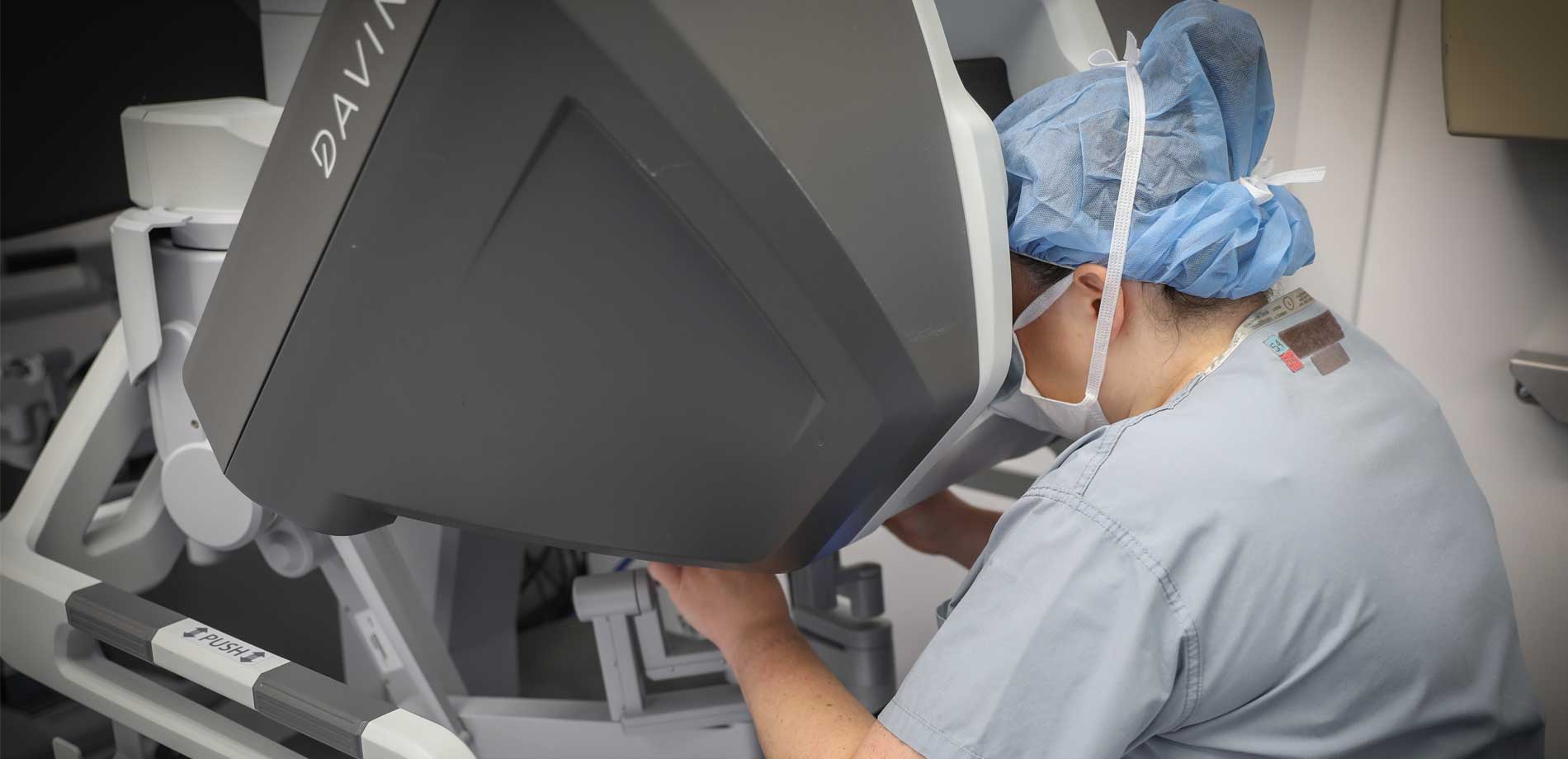
The Advantages of Robotic-Assisted Surgery
Discover how MetroHealth's advanced robotic-assisted surgery technology helps surgeons perform procedures with greater precision, leading to less pain and faster recovery.

Six Steps to Stay Ahead of Brain Health
Keep your brain healthy as you age. Learn six simple habits that can support memory, focus and overall brain health every day.

Apple Oatmeal Crisp
Difficulty: Easy

Healthy Aging Tips for 40-70 and Beyond
No matter your age, small healthy choices can make a big difference. Explore practical tips for healthy aging from your 40s through your 70s and beyond.

Swing Strong: Golf Joint Health and Injury Prevention
Learn expert tips to protect your joints, improve mobility, and stay injury-free on and off the course.


Back-to-School Sports Safety
Sports help kids grow stronger, build confidence and learn important life skills. Here’s how parents can help keep them safe all season long.

Help Your Hearing: Recognizing Early Signs of Hearing Loss
Are you noticing a difference in how you hear? You’re not alone. Hearing loss is common and can be overlooked in the early stages.
Stay Connected
Join Our Be SimplyWell Community