Emergency Symptoms You Don't Want to Ignore
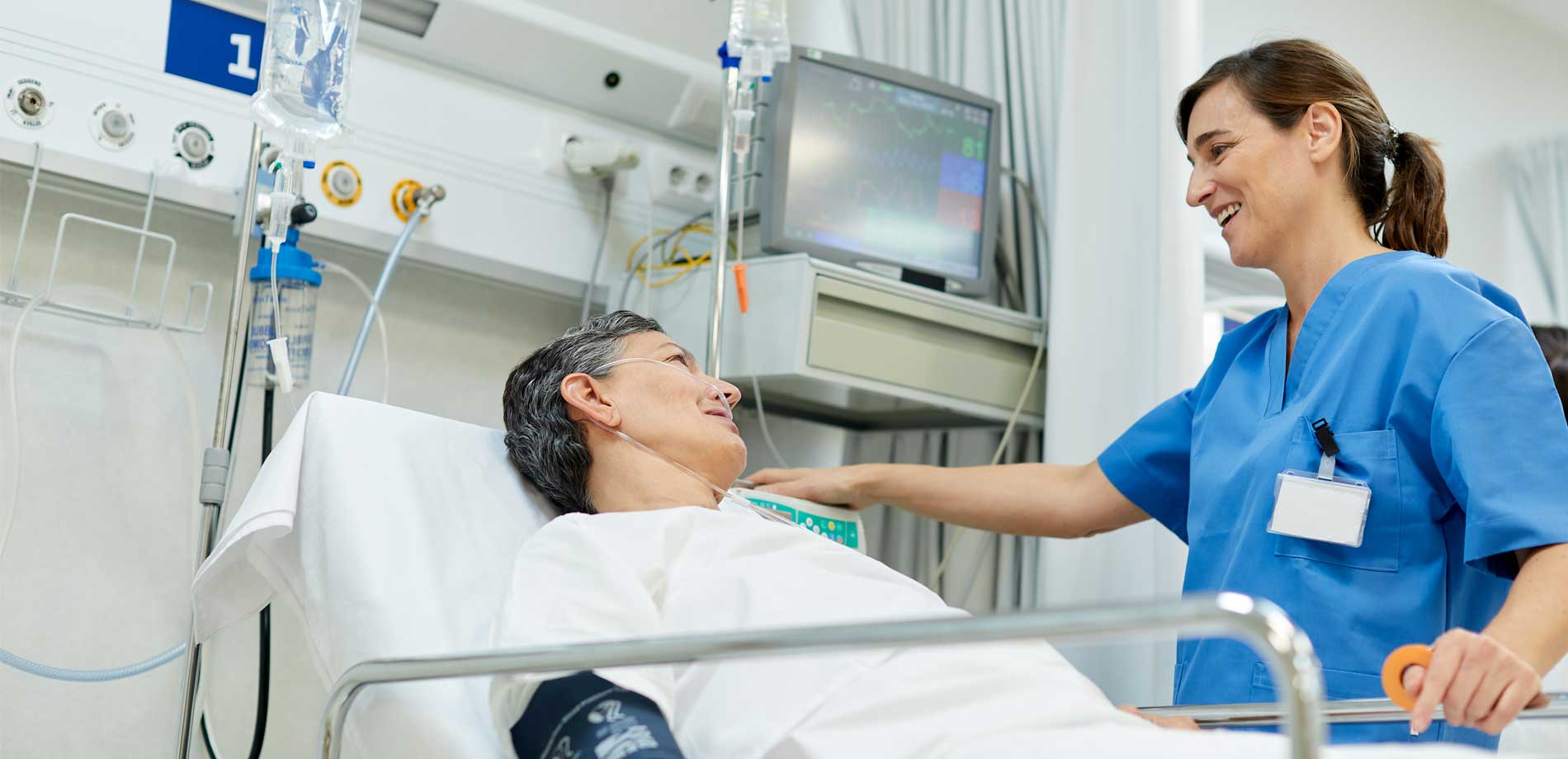
When it comes to treating heart attacks and strokes, every minute counts. Don’t wait at home for it to get better — call 911 or get to an Emergency Department immediately.
Quick quiz:
It’s Friday night, and you’re more tired than usual after a long week. Plus, you’re short of breath, have occasional sharp pains in your chest — and you’re feeling a little nauseous.
Do you …
(A) Wait at home, hoping your symptoms improve?
(B) Call 911 or have someone take you to the Emergency Department?
The answer is B because there’s a decent chance you’re having a heart attack. If that’s the case, the last thing you want to do is watch and wait, says Jon Schrock, MD, Assistant Director of MetroHealth’s Stroke Program, because time is critical.
When someone comes through the doors of a MetroHealth Emergency Department, the team can have them to the cardiac catheterization lab within minutes, where a life-saving angioplasty can minimize heart muscle damage.
What Are Heart Attack Warning Signs?
There’s no one “classic” heart attack symptom, and women may experience more subtle ones. Common signs include:
- Chest pain that feels tight, squeezing, or like pressure
- Pain that radiates to shoulders and/or down the left arm
- Neck or jaw pain, sometimes brief or sharp (more common in women)
- Dizziness
- Shortness of breath
- Nausea (more common in women)
- Cold sweat (more common in women)
Even if the symptoms aren’t clear to you and something just feels off, pay attention, says Dr. Schrock. If you get to the hospital and you’re not having a heart attack after all, no problem.
“Never worry it’s always better to be safe than sorry,” he says.
Are You (or a Loved One) Having a Stroke? BE FAST!
A stroke, which happens when a blood clot travels to your brain and cuts off blood supply, is another instance in which calling 911 or getting yourself or a loved one to the Emergency Department is critical. Not sure what the signs of a stroke are? Remember the acronym BE FAST:
- Balance is off
- Eyes may have sudden vision changes
- Facial drooping, especially on just one side
- Arm weakness, especially on one side
- Speech that is slurred or sounds strange
- Time — this means, don’t delay
We have good treatments for strokes that can work for up to three hours after the stroke starts but we get the best results within 30 minutes.” Every hour after that, treatment options decline, so don’t sit home waiting for symptoms to ease up or go away.
All MetroHealth Emergency Departments are Stroke Certified
MetroHealth has a long history of providing the best stroke care possible. In fact, it is the only system in the area to have all its Emergency Departments stroke-certified.
- Brecksville**
- MetroHealth Main Campus (Comprehensive Stroke Center)*
- Cleveland Heights**
- Parma**
*Certified by the Joint Commission as a Comprehensive Stroke Center, the highest certification possible, and handles the most complex cases.
**Certified as Acute Stroke Ready Hospitals by the Healthcare Facilities Accreditation Program/Accreditation Commission for Healthcare.
Call 911 Instead of Driving Yourself to the Hospital
Calling 911 does more than get you to the hospital. Paramedics can start checking symptoms right away. They can also alert the hospital, so the stroke team is ready when you arrive.
To learn more, visit metrohealth.org/emergency-room.