Managing Stress and Trauma in the Field
Learn how MetroHealth EMS can prepare for violent patient encounters, manage trauma and build resilience to prevent burnout and protect their well-being.
FieldBrief Issue 4
One moment, Craig Bates, MD, MS, FACEP, EMS Division Director for the MetroHealth Department of Emergency Medicine, was treating a car crash survivor in the Emergency Department. The next, he was flying through the air.
The patient, who was cycling through episodes of agitation and calm despite medication, had broken free from restraints and kicked Dr. Bates in the chest.
Dr. Bates landed on his dominant hand, enduring multiple wrist fractures and ligament damage that required several surgeries and an 18-month recovery.
Prevalence of Violence in the Field
Incidents of violence against providers are common. “Three-quarters of workplace violence in the U.S. happens in a healthcare setting, and over 50% of EMS responders witnessed physical violence within the last year,” says Dr. Bates.
Violence against first responders can take the form of verbal abuse or physical assault. Exposure to violence of either kind can cause trauma and lead to burnout and long-lasting psychological impacts.
Strategies for Managing Violent Events
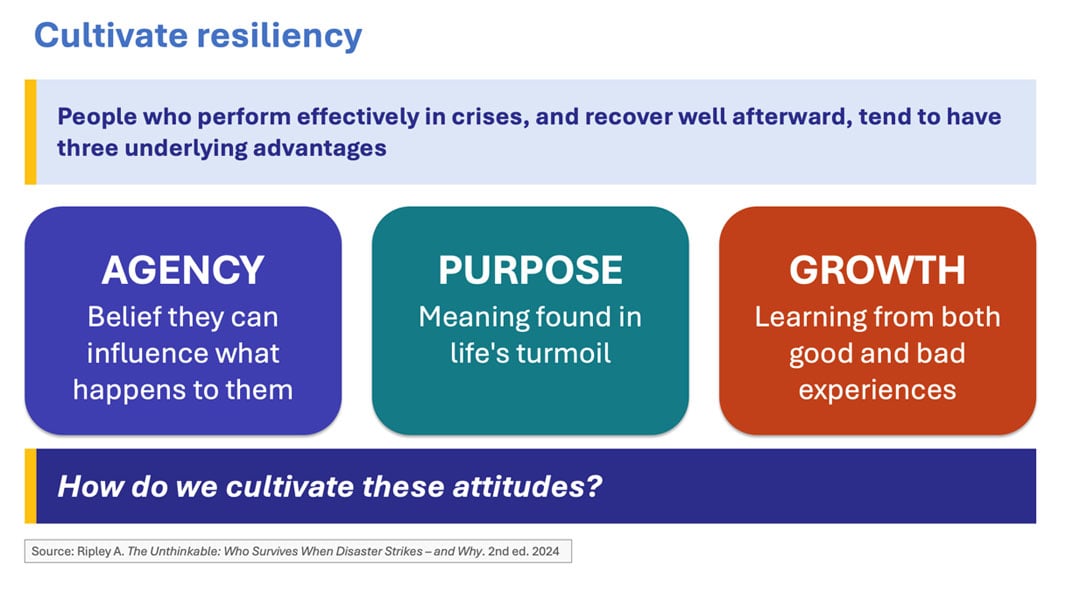
“We can’t prevent these difficult or traumatic situations from happening, but we can influence how we respond to them,” says Anastasia Webb, Director of the Employee Assistance Program (EAP) and Wellness for MetroHealth.
Before
Managing your response to violence in the field starts with being prepared, says Webb. That begins with following department protocols for managing violent patients and taking training and simulations seriously. These scenarios replicate real-life pressure and anxiety and are one of the best ways to prepare for high-stress situations.
After
The first step after a violent experience in the field is to document the encounter to improve safety processes. Then, debrief with your leader and peers on what happened and how you feel. They can help you normalize your reactions and prevent feelings of isolation.
To manage job-based cumulative stress, Webb recommends daily techniques to support your overall health and well-being, such as meditation or taking moments throughout the day to focus on your breathing. “Five to 10 minutes of connecting with yourself can make a big difference,” she says.
Resources
If you experience a violent event in the field, pause, connect and ask for help.
If you’re in crisis, call or text 988.
Post-incident support systems are available to help EMS first responders cope with the emotional and psychological effects of violent, traumatic or otherwise stressful events. These resources provide confidential support, peer assistance and professional counseling:
- C.A.R.E. Cleveland EMS Peer Support Team 24/7 hotline: (888) 694-8880.
- NAMI (National Alliance on Mental Illness) Greater Cleveland helpline: (216) 875-7776, Monday to Thursday, 9 a.m. to 9 p.m.; Friday, 9 a.m. to 5 p.m.
- Westshore Critical Incident Response Service (CIRS) 24-hour hotline: (440) 333-1237 (serves Cuyahoga, Lorain and Medina counties).
- MetroHealth Employee Assistance Program (EAP) office: (216) 778-5098.
You may also contact MetroHealth EAP through the designated pager number. Once notified, an EAP representative will reach out to you within 24 hours.
Improving First Responder Resilience
“Burnout rates in most emergency professions are rising,” says Dr. Bates, who internalized symptoms of trauma following his assault. “Agitated patients are not the whole reason for it, but they’re one of the most traumatic ones.”
Knowing how to respond to traumatic incidents can help first responders reduce long-term effects of violence and avoid burnout.
Use these techniques when managing violent patients:
- Separate stimulus from response: Before you react, take a brief pause, deep breath or a timeout to shift from an instinctive reflex to a reasoned, intellectual response.
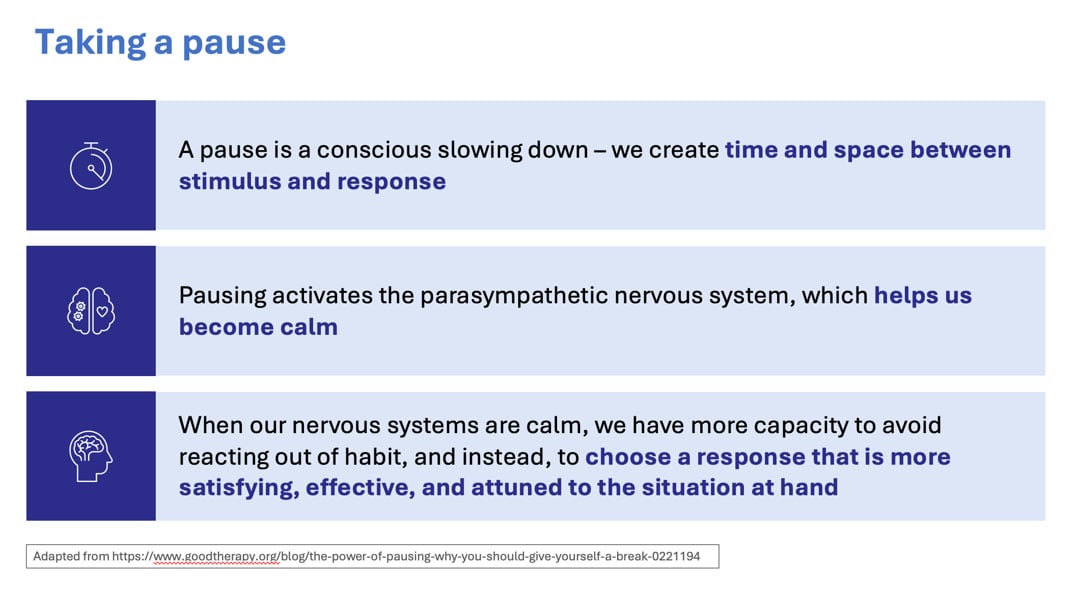
- Notice your triggers: Identify what you’re feeling.
- Conduct clinical reframing: Focus on the medical emergency at hand, not the patient’s behavior.
- Create cognitive distance: Don’t take violent patient behavior personally. It reflects the patient’s condition, not you.
Key Takeaways
- Violence against first responders in the field is common.
- Learning how to process violent patient behavior begins in first responder training sessions.
- Employee Assistance Programs, your leader and your peers can help you process field-based trauma.
- When managing combative or aggressive patients: Pause and reframe, then respond.
Featured Medical Providers
Featured Professionals
To claim EMS Continuing Education for this edition of FieldBrief, complete a brief survey.
MetroHealth Medical Center is a State of Ohio Approved Continuing Education Site #1202