Weight Loss Is More Than Willpower

Weight loss is about more than willpower. Learn how medical support, including expert guidance and proven treatments, can help you reach your goals safely.
If you've struggled with weight for a long time, you've probably heard the advice to eat less and exercise more. While healthy habits are important, many people find that weight loss is not that simple. That's because obesity is a chronic disease that can affect how your body controls hunger, fullness, and weight.
How Obesity Affects the Body
Obesity can cause changes in hormones that help control appetite. Some hormones make you feel full after eating, while others tell your body when it's time to eat. When these hormones are out of balance, you may feel hungry more often or have a harder time keeping weight off.
This is one reason why people may lose weight through diet and exercise, only to regain it later. It's not a lack of effort. Your body may be working against you.
Medical Treatment Can Help
Getting medical help for weight loss is not taking the easy way out. It's a way to treat a real health condition using proven tools and expert support.
Weight Loss Surgery
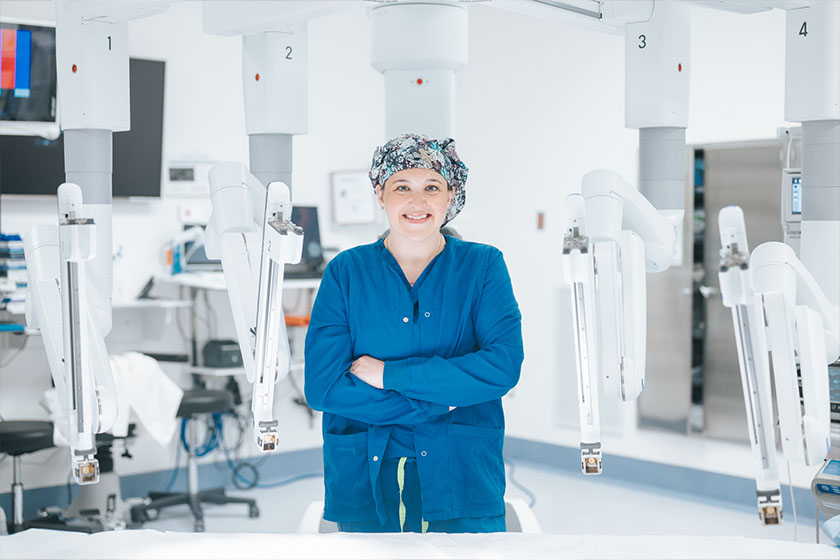
Weight loss surgery, also called bariatric surgery, can help change the hormones that affect hunger and fullness. This can make healthy eating and regular activity easier to maintain over time.
At MetroHealth, patients can work with experts to decide which bariatric procedure is right for them. Many people who have bariatric surgery achieve significant weight loss and improve their overall health.
Weight Loss Medications
For some people, weight loss medications may be part of a treatment plan. These medicines help control appetite, improve blood sugar levels, and help people feel full longer. They can be an effective tool when combined with healthy lifestyle changes.
A Team Approach to Better Health
Obesity can increase the risk of many health problems, including:
- Type 2 diabetes
- Heart disease
- High blood pressure
- Sleep disorders
- Stroke
- Some cancers
Because weight affects so many parts of the body, successful treatment often involves more than diet and exercise alone.
At MetroHealth, a team of specialists works together to support your health. Depending on your needs, your care may include help with nutrition, sleep, heart health, mental health, and physical activity.
Finding the Right Path for You
There is no one-size-fits-all approach to weight loss. Your care team will take time to understand your health history, discuss your goals, and create a personalized plan.
Whether that plan includes lifestyle changes, medication, surgery, or a combination of treatments, the goal is the same: helping you improve your health, feel better, and enjoy a higher quality of life. You don't have to do it alone.
Reset Your Body. Reset Your Life. Start Your Weight Loss Journey.
Register to be contacted by our team. Download information guide.
For more information, call 216-778-7433 or visit Weight Loss Surgery & Weight Management Center.
Your Questions Answered
Q. Is medical help for weight loss only for people who need surgery?
A. No. Medical weight loss can include nutrition counseling, exercise guidance, behavior coaching, medications, and other treatments. Surgery is only one option and is not right for everyone.
Q. Does needing help with weight loss mean I've failed?
A. Not at all. Weight is affected by many factors, including genetics, hormones, medications, stress, and health conditions. Getting professional support can help you find a plan that works for you.
Q. How can medical weight loss improve my health?
LA. osing weight can help lower the risk of conditions such as diabetes, heart disease, high blood pressure, and sleep apnea. It may also improve energy, mobility, and overall quality of life.
Featured Medical Providers
Related Links

Thinking About Weight Loss Surgery? Here's What to Know
For some individuals, weight loss surgery is more than a way to lose weight. It can be a path to improved health, greater mobility, and a better quality of life.

Why is Losing Weight So Hard? It Might Not Be Just You!
Losing weight isn't always as simple as trying harder. Sometimes, there is a medical reason why your body is stuck.
Bariatric Surgery in the World of GLP-1s
If you’re struggling with obesity, MetroHealth can design a personalized weight loss plan for you that may include GLP-1 medication, surgery or both.

Preventing and Managing Prediabetes: A Proactive Approach
If you’ve been diagnosed with prediabetes, it’s not a life sentence, it’s a wake-up call.

Excess Skin After Weight Loss
After major weight loss, extra skin can cause rashes, pain, and discomfort. Learn when skin removal surgery may help improve comfort and confidence.
Stay Connected
Join Our Be SimplyWell Community