Regular Eye Exams Protect Your Vision
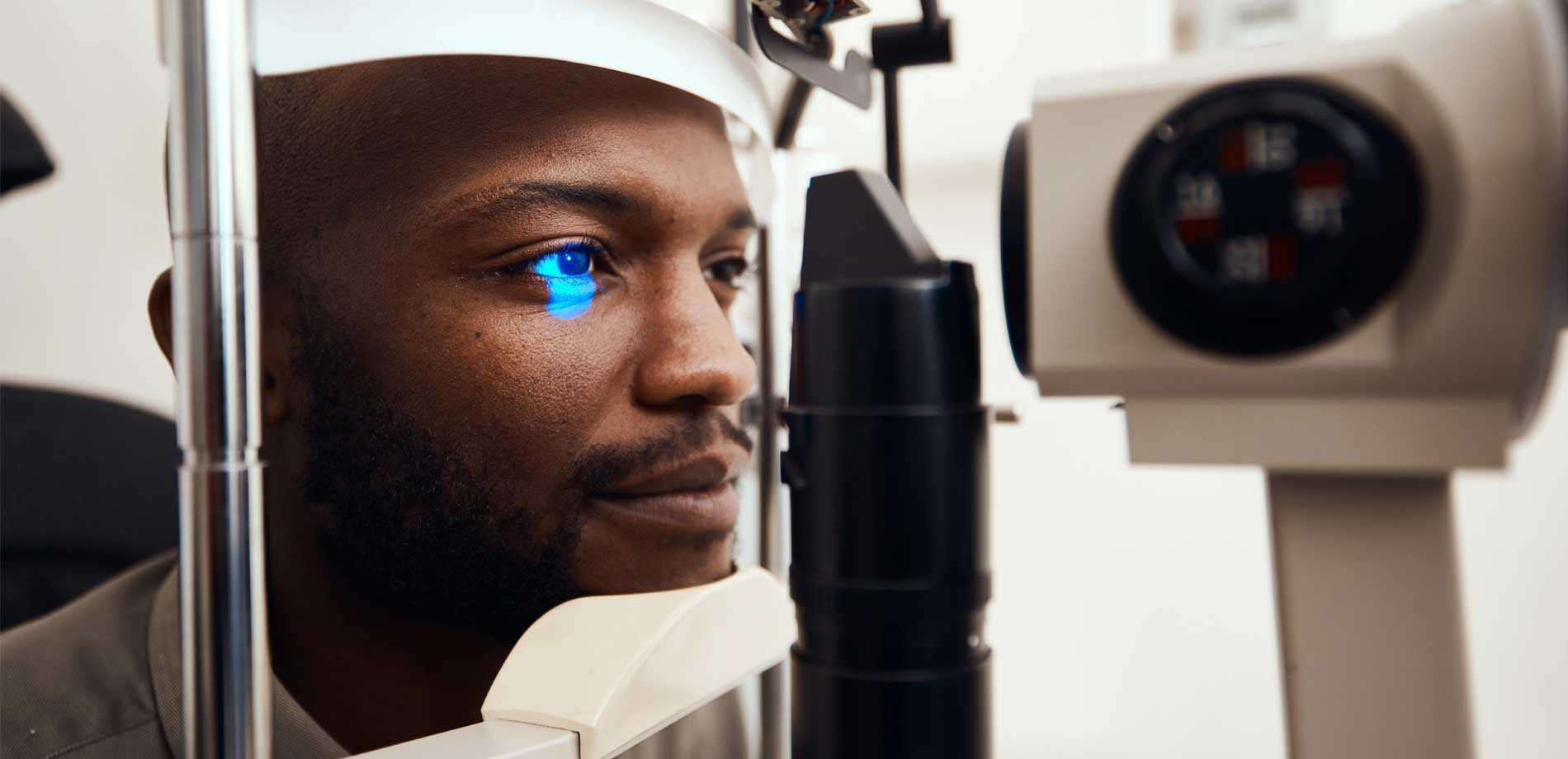
Think you don’t need an eye checkup? Think again! These checks are a key part of well-care, especially for older people and those who have diabetes. Here’s what you should know.
What is Diabetic Eye Disease?
Diabetes can affect your vision, by causing bleeding or swelling in your retina (the back of your eye). If you don’t take care of it promptly, it can do irreversible damage.
Diabetic eye disease is the major cause of vision loss in the adult population.
Anyone newly diagnosed with diabetes should have an initial diabetes eye exam—and then an annual one. MetroHealth is making it easier by including imaging of the retina during a person’s yearly diabetic check with their primary care provider. This helps people save both time and cost.
Eyes and Aging
Taking care of your eyes as you get older is important. A yearly vision exam with an ophthalmologist (a doctor for eyes) or an optometrist (not a doctor, but an eye specialist) will help you if you need glasses. This pro will also check for eye conditions such as:
- Cataracts: When your eye’s natural lens clouds, impairing your vision or causing blurriness.
- Glaucoma: An increase in pressure inside the eye that can damage the optic nerve and cause vision loss.
- Macular degeneration: The macula is the central part of your retina and if it deteriorates, it can lead to vision loss.
Treating Eye Disease
MetroHealth is always looking at new treatments that can reduce the burden of disease—especially for the elderly population.
For cataracts, MetroHealth offers surgery to replace the cloudy lens. This procedure can greatly improve vision and a person’s quality of life.
For damage from diabetic eye disease, they offer laser treatments and injections. There are also injections that can help with macular degeneration—as well as vitamins that can slow the progression of the disease. And finally, for glaucoma, there are eye drops, laser treatments, and surgery when necessary.
Schedule an Eye Exam
To schedule an appointment at one of our Eye Care Clinics, call 216-778-4391.
For more information, visit metrohealth.org/eye-care.