Nora Lopez's Weight Loss Journey

After years of struggling with weight, one woman found renewed health and freedom through weight loss surgery. Read her inspiring journey back to action.
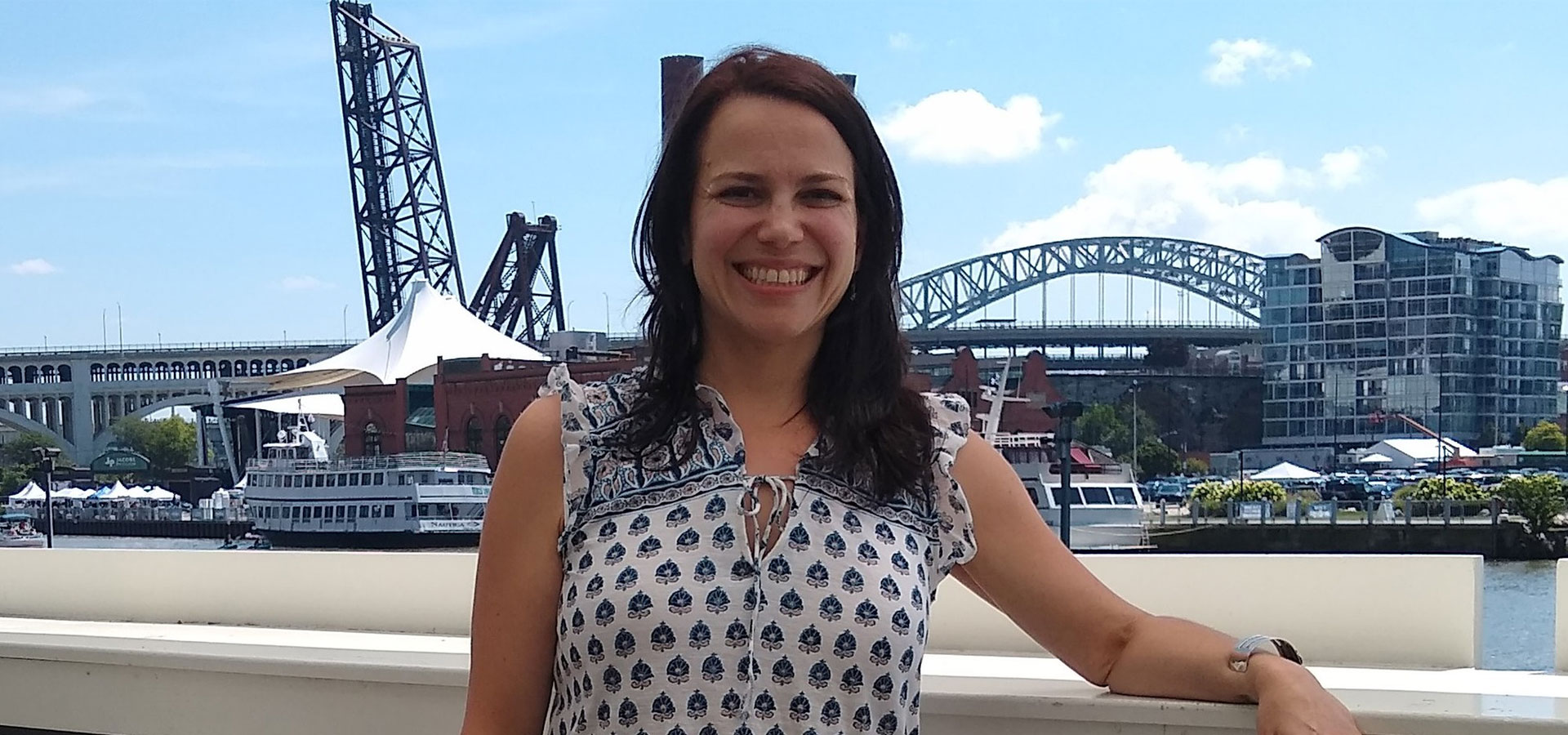
Nora Lopez is a special education teacher, a busy mom of two, a stepmom, and a step-grandmother. About five years ago, she weighed more than 280 pounds. She often felt tired, had knee pain, and found it harder to do everyday activities.
Her doctor first talked to her about weight-loss surgery, also called bariatric surgery. At that time, Nora did not feel ready. Even though she had struggled with her weight for most of her life, she did not have health problems like diabetes or high blood pressure.
Sergio Bardaro, MD, a bariatric surgeon at MetroHealth, says many people think about weight-loss surgery when their weight makes daily life more difficult. Some people have trouble getting around, keeping up with their children, or fitting comfortably in seats. Surgery can also help people who have health problems related to obesity.
In 2014, Nora decided to move forward with surgery. She met with Eileen Seeholzer, MD, who took time to learn about Nora’s daily life and helped her find healthy changes that would fit her busy schedule.
Because Nora cared for her family and managed many responsibilities at home, losing weight was not easy. She started with small changes:
- Eating breakfast instead of skipping it
- Drinking protein shakes in the morning
- Avoiding fast food
- Choosing healthier meals
These changes helped her lose 30 pounds before surgery.
Recovery and Weight Loss Success
Nora had her surgery during her Christmas break from work. She stayed in the hospital for about three days and returned to work in less than a month.
Soon after returning, she was able to go up and down stairs more easily. Over time, she lost about 120 pounds. Her weight loss also made it possible for her to have knee surgery.
Today, Nora says she has much more energy. She enjoys exercising, traveling, hiking, and spending active time with her family.
“I’m not tired anymore,” she says. “I feel better about the time I spend with my kids, and I feel better about myself.”
Reset Your Body. Reset Your Life. Start Your Weight Loss Journey.
Register to be contacted by our team. Download information guide.
For more information, call 216-778-7433 or visit Weight Loss Surgery & Weight Management Center.
Your Questions Answered
Q. What is bariatric surgery?
A. Bariatric surgery is a type of weight-loss surgery. It makes the stomach smaller so people feel full after eating less food. This helps them lose weight.
Q. What health problems can weight-loss surgery help?
A. Weight-loss surgery may help improve or even resolve:
- Type 2 diabetes
- High blood pressure
- High cholesterol
- Sleep apnea
- Acid reflux (GERD)
Losing weight can also lower the risk of heart disease and stroke.
Who may qualify for surgery?
People may qualify if they:
- Have a BMI of 35 or higher and a weight-related health condition, or
- Have a BMI of 40 or higher, even without a weight-related health condition
A healthcare provider can help determine if surgery is right for you.
Is surgery more effective than diet and exercise alone?
For many people, bariatric surgery leads to greater weight loss than diet and exercise alone. Patients often lose 50% to 70% of their excess weight and are more likely to keep it off long term.
Do I still need healthy habits after surgery?
Yes. Surgery is a tool, not a cure. Long-term success depends on healthy habits, including:
- Eating nutritious foods
- Staying active
- Following your care team's recommendations
- Making lasting lifestyle changes
Featured Medical Providers
More Patient Stories


Stay Connected
Join Our Be SimplyWell Community