Large Fibroid Threatened Their Pregnancy. A Rare Surgery Saved Them Both
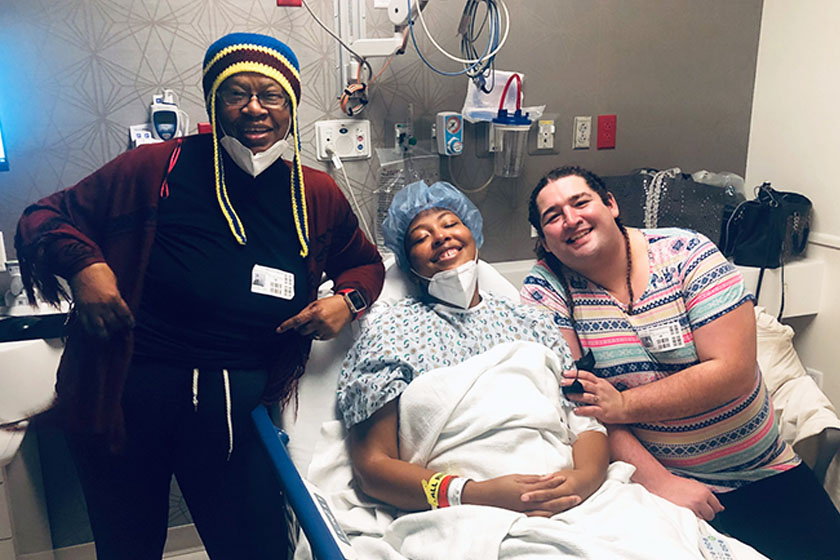
Faced with a high-risk pregnancy and a giant fibroid, one family found hope through expert care, surgery and a healthy baby boy.
He just went right into this and said, ‘We’re going to do surgery and here’s how we’re going to do it.' He had this calm and confidence that was very reassuring.
Adrian-Lii Bell
Building a Family, Then Facing a Crisis
In 2023, after nearly two years of marriage, Adrian-Lii Bell (who uses they/them pronouns) and their wife, Victoria, decided to start a family. Within seven months, Adrian-Lii became pregnant through artificial insemination.
For the first nine weeks of their pregnancy, Adrian-Lii had no nausea or other symptoms. That changed a couple weeks later, when they started having a lot of pain and bloating so pronounced that they appeared to look six months pregnant.
The weekend after Christmas, Adrian-Lii’s nausea got worse. They had pain and cramping on their left side and began vomiting a lot.
Adrian-Lii and Victoria’s original plan had been for Adrian-Lii to step away from their job as a registered behavioral technician (working with children diagnosed with Autism Spectrum Disorder) following the birth of the couple’s baby. They would stay home until the child was old enough to start preschool.
But the pain and nausea became too much for Adrian-Lii to continue working.
On December 30, Victoria took Adrian-Lii to an emergency department. An ultrasound showed a mass. Doctors recommended an MRI, which the hospital didn’t have, to get more information.
Adrian-Lii was scheduled for an MRI 10 days later but ended up at MetroHealth’s main campus emergency department on January 6 in severe pain. The MRI showed that a fibroid that was 11.4 cm x 20 cm x 7 cm – the size of a large mango – sitting right above the uterus on the left side.
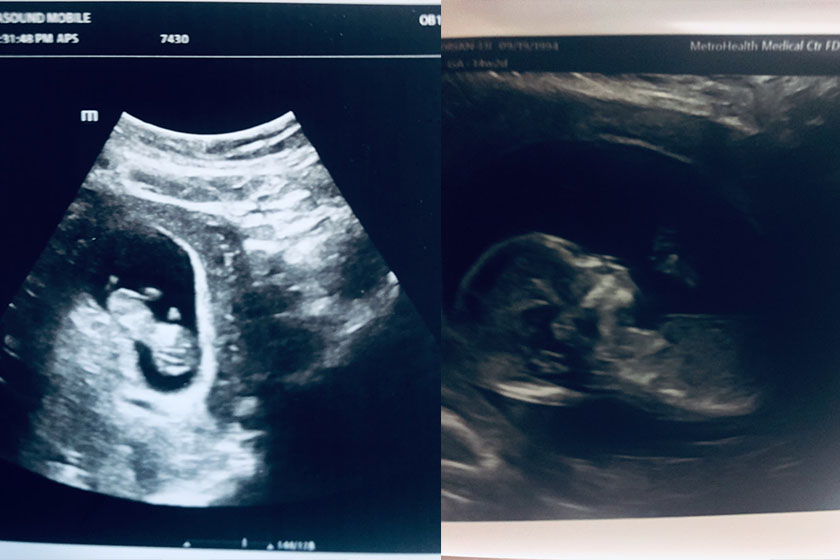
The fibroid was pedunculated, meaning that it sat on a stalk (picture a mushroom). Adrian-Lii’s pain was caused by the fibroid being so far away from its blood supply that it was undergoing cell death.
With such a large sized fibroid, Adrian-Lii’s health and pregnancy were suddenly in the high-risk category.
Finding the Right Doctor at the Right Time
Although they have a family history of fibroids, Adrian-Lii had never worried about it. Not until Adrian-Lii’s fibroid diagnosis did their mother share her own experience with a grapefruit-sized fibroid that was removed in the late 1980s, before having the first of her three children.
Adrian-Lii, then 29, was presented with two options. Terminate the pregnancy, then have surgery to remove the fibroid.
Or continue the pregnancy, stay on opioids to manage the pain, deliver via cesarean section, then undergo surgery to remove the fibroid.
Adrian-Lii said no to both. They didn’t want to wait that long to have surgery. And they didn’t want to terminate their pregnancy.
A maternal-fetal medicine specialist approached her colleague, Robert Pollard, MD. A surgeon with the MetroHealth Center for Advanced Gynecology, he’s often is asked to consult on the most complex cases. Dr. Pollard agreed to meet with Adrian-Lii on January 19, 2024.
“This was a very unusual case because the fibroid was so big,” Dr. Pollard said. “It was as if Adrian-Lii was pregnant with triplets.
“When dealing with pregnancy, you have a window of time when it’s safest to do surgery,” he said. “Adiran-Lii’s biggest symptoms were pain and a large mass. If we continued to wait, the uterus would just get bigger, and so would those issues.”
After the examination, Adrian-Lii said Dr. Pollard gave them hope almost immediately.
“He just went right into this and said, ‘We’re going to do surgery and here’s how we’re going to do it,’” they said. “He had this calm and confidence that was very reassuring.”
With Adrian-Lii now in their second trimester, surgery would be less risky, Dr. Pollard told them. The fibroid was on the outside of the uterus. He would tie the stalk, cut it, and remove the fibroid.
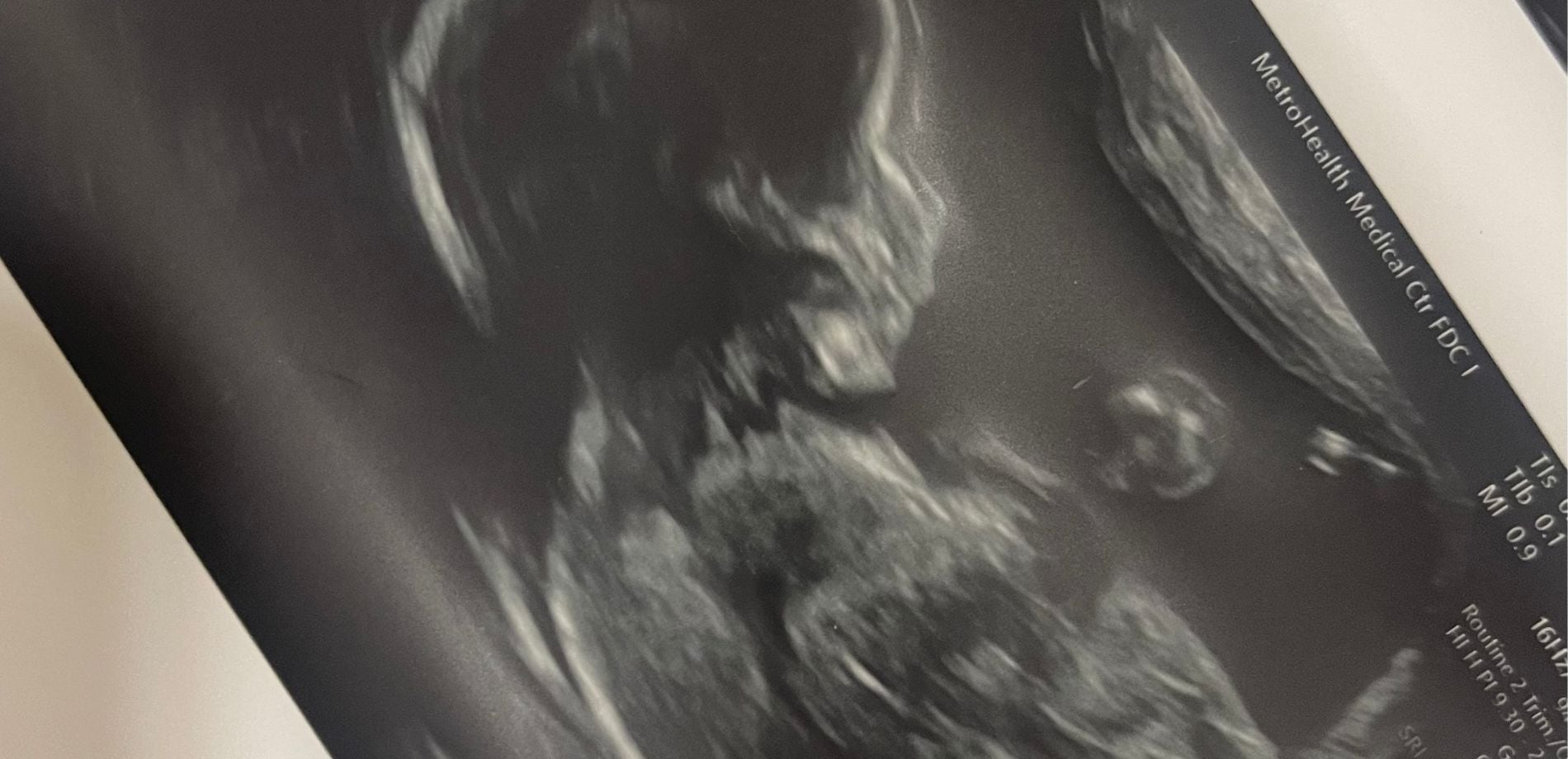
The day of the surgery, on January 26, Adrian-Lii was 16 weeks pregnant and – because of their severe nausea – 30 lbs. lighter than their before-pregnancy weight of 225 lbs.
When the 90-minute surgery was finished, Dr. Pollard had removed the fibroid, which weighed 6 lbs.
After two nights in the antenatal ward, Adrian-Lii went home.
Days later, Adrian-Lii was well enough to rejoin a hiking group that met on the first Saturday of every month.
By the time they began seeing pelvic floor physical therapist Amanda Abernathy in early April, Adrian-Lii’s pregnancy was no longer considered high-risk.
During eight sessions over the span of 11 weeks, Abernathy helped Adrian-Lii manage their pain and restore and strengthen the abdominal muscles that had been cut during surgery. Abernathy waited until Adrian-Lii reached the third trimester to include internal work on stretching the pelvic floor.
All that work was designed to ensure Adrian-Lii had the strength needed for labor and delivery and was as comfortable as possible during that time, Abernathy said.
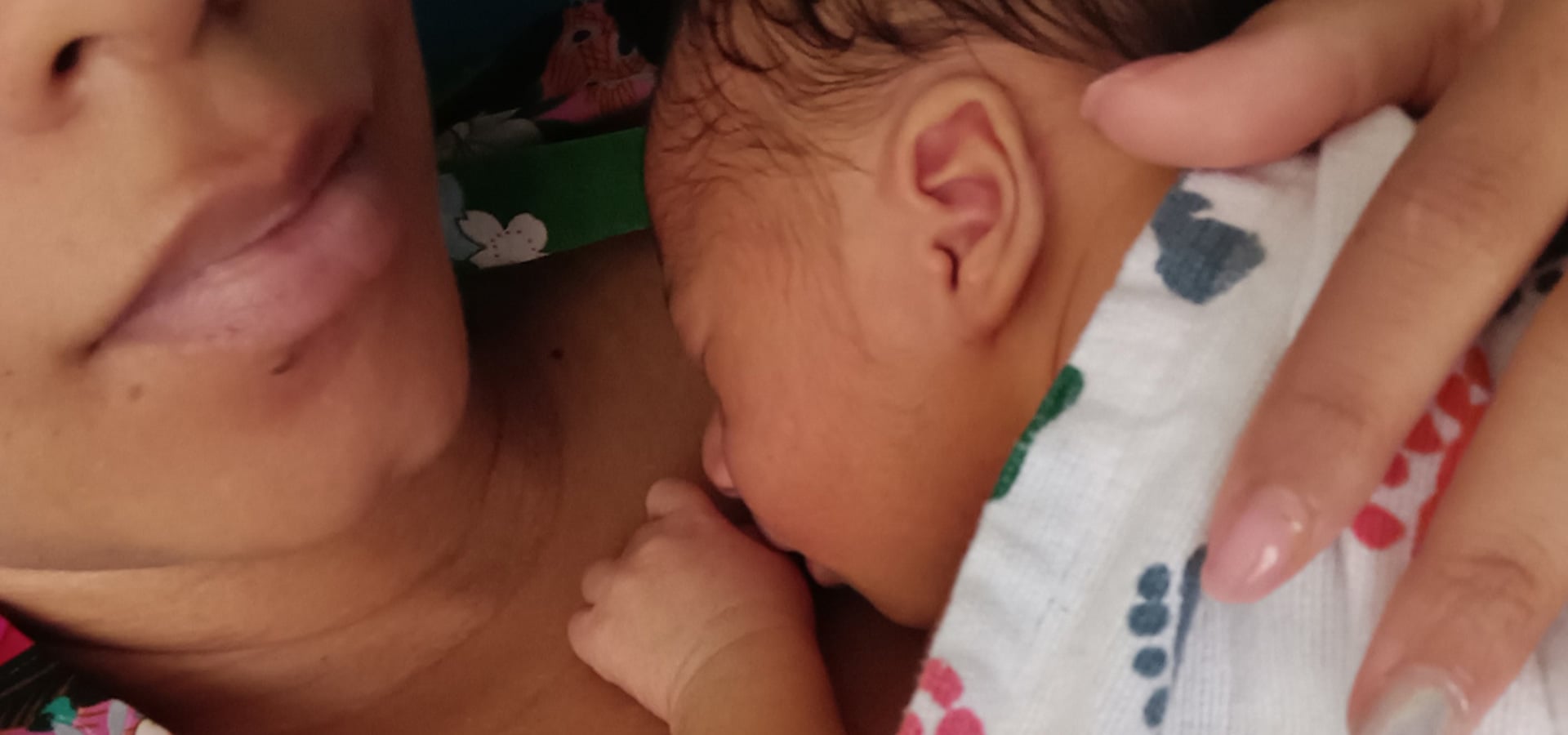
On July 9, after 41 hours of labor, Adrian-Lii gave birth to an 8 lb., 2 oz., 21-inch-long healthy boy. Adrian-Lii had carried him to full term and delivered him vaginally. Determined not to have to go through another surgery, they’d opted against a Cesarean section.
 |
 |
Meeting the Surgeon Who Saved Two Lives
In late June of 2026, Adrian-Lii reached out to Dr. Pollard through MyChart.
“If you had any free time, I would very much like you to meet [my son],” they wrote in a message. “You saved his life. I would love to have a photo of you and him so we can always remember.”
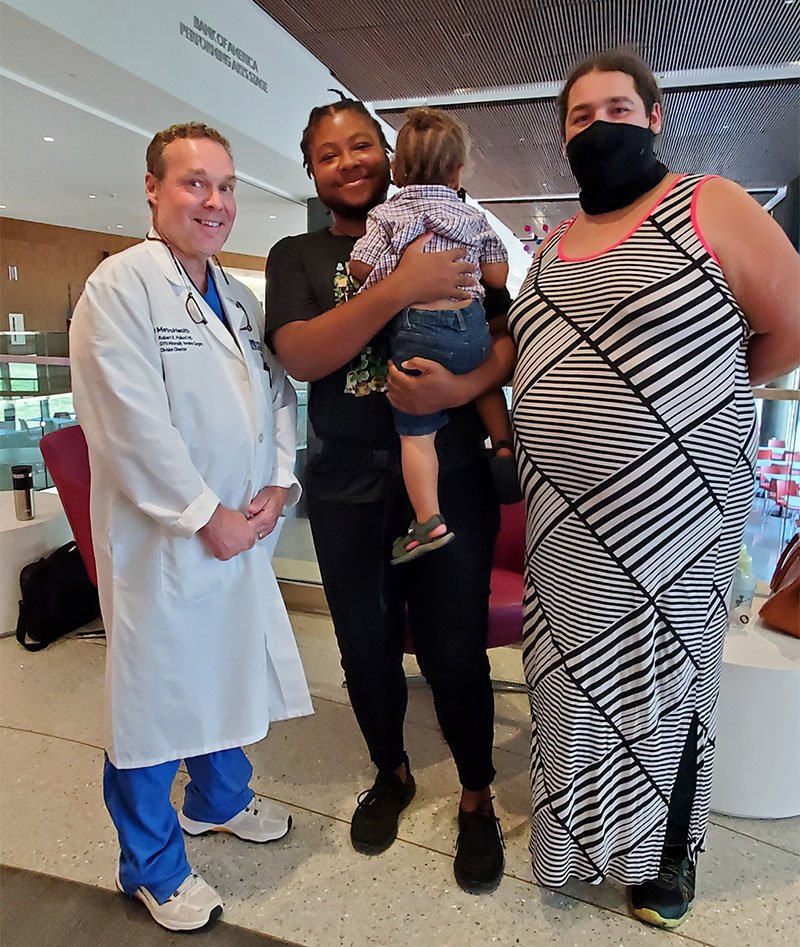
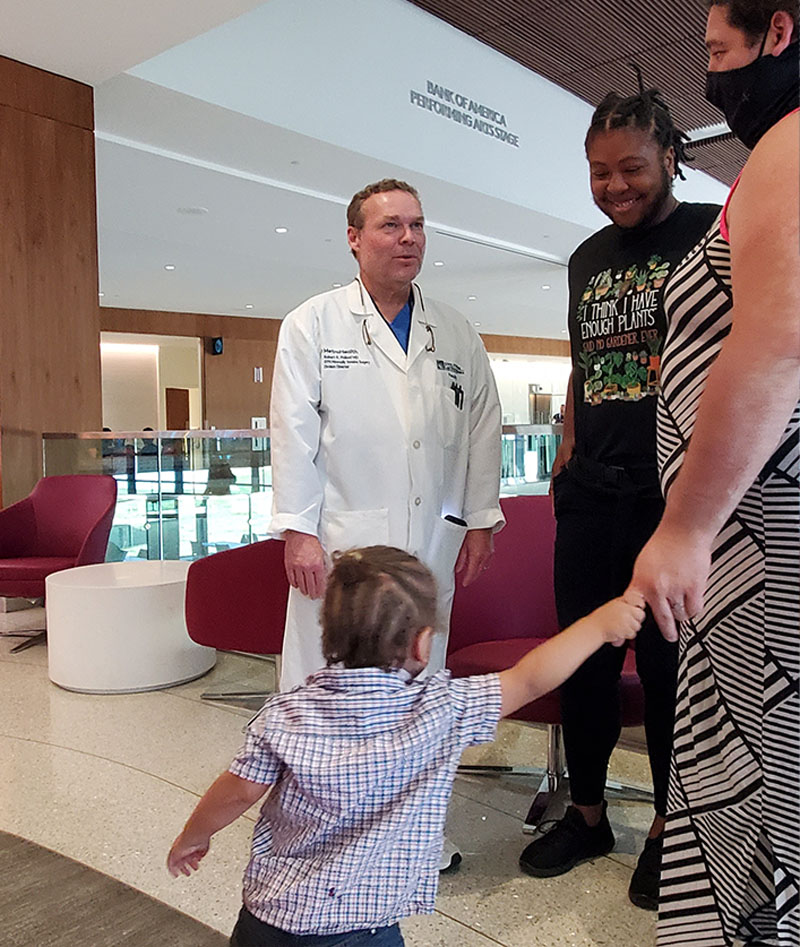
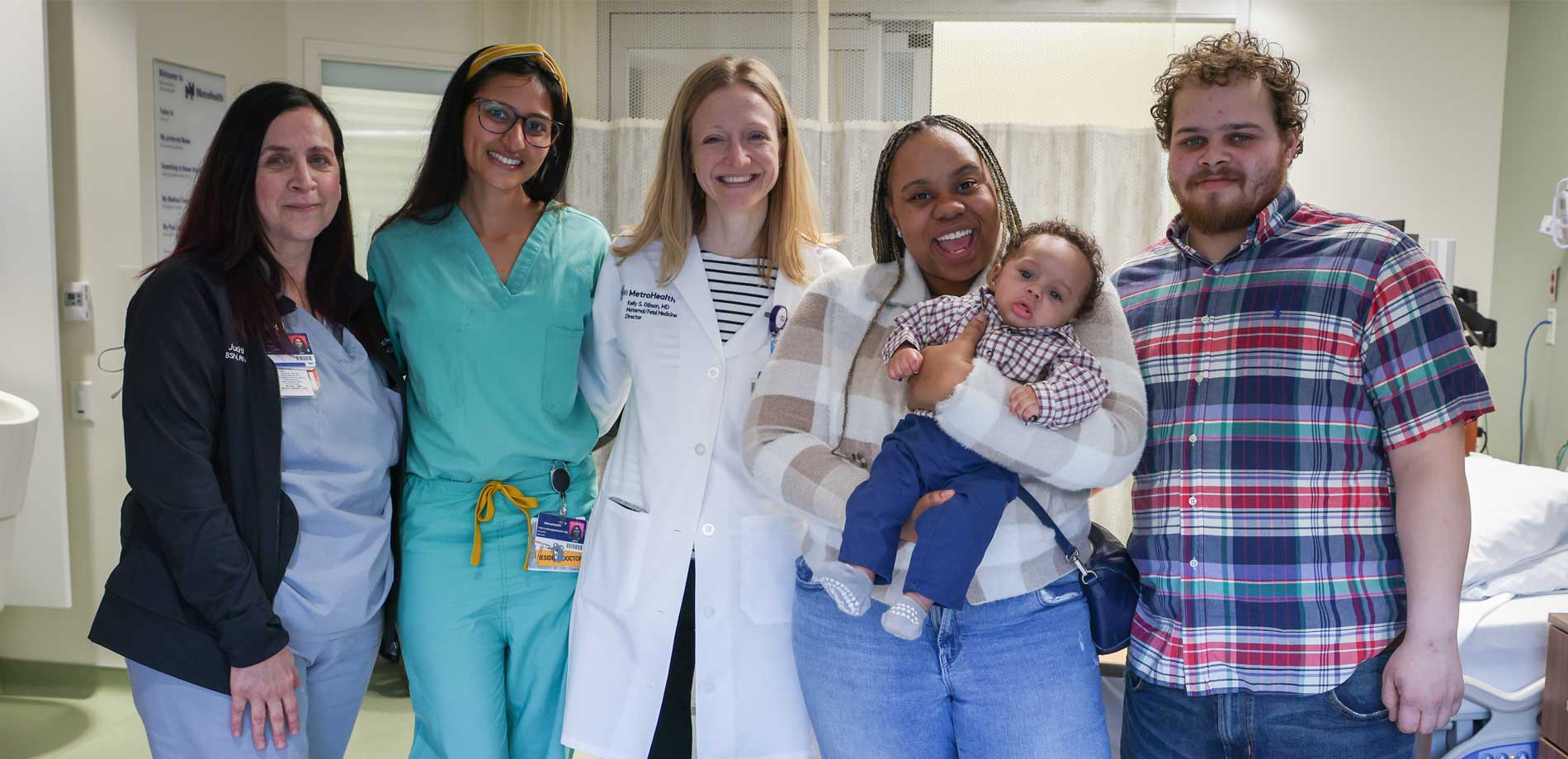
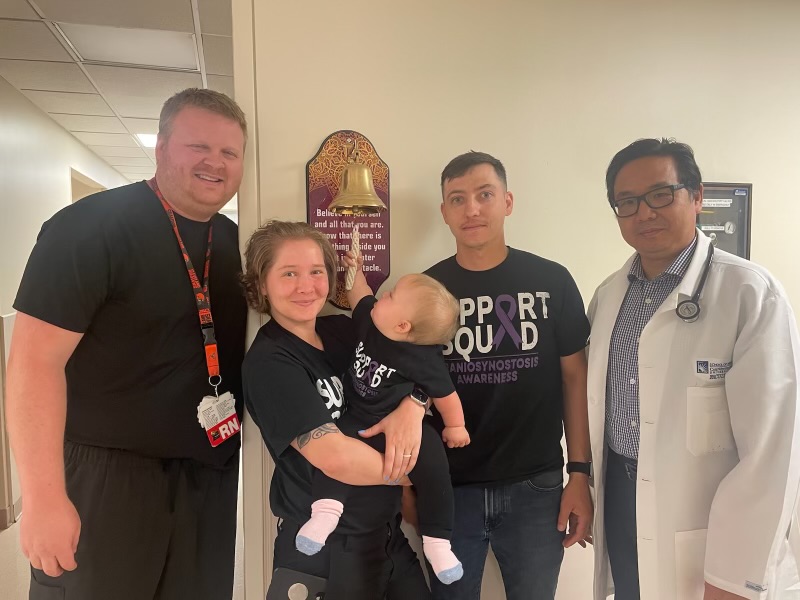
Three weeks after their son’s 2nd birthday, Adrian-Lii and Victoria brought him to MetroHealth to meet Dr. Pollard.
“We get a lot of thank you notes, but to have my picture taken with a child, that was a first for me,” said Dr. Pollard, who hasn’t delivered a baby in 20 years.
Having their son meet Dr. Pollard and being able to thank him in person were important, Adrian-Lii said.
“Everywhere I go, I always bring him up by name,” they said. “He saved both of us.”
Featured Medical Providers
More Patient Stories

Stay Connected
Join Our Be SimplyWell Community