Women's Heart Health
Speak Up About Symptoms

We know your heart.
Heart health for women can be tricky. They often experience different and harder-to-detect symptoms of heart disease compared to men. Additionally, women face unique risk factors for heart disease, and certain conditions that are more common in women can further increase their risk.
Heart disease is the leading cause of death for women in the United States, accounting for one out of every three female deaths. While women are often protected by hormones such as estrogen early in their lives, their risk can increase as they age and hormone production changes.
At MetroHealth, we’re committed to educating women about heart disease, helping them identify symptoms and risk factors and encouraging them to talk to their primary care provider about any changes or concerns.
Comprehensive Women's Heart Healthcare
Women have more risk factors for heart disease and heart failure than men.
Women ages 55 and over—even women who seem healthy—are often at increased risk for premature coronary artery disease, heart attacks and strokes. While family history and overall health—including obesity—play a role in your risk for heart disease, there are specific risk factors that women should consider.
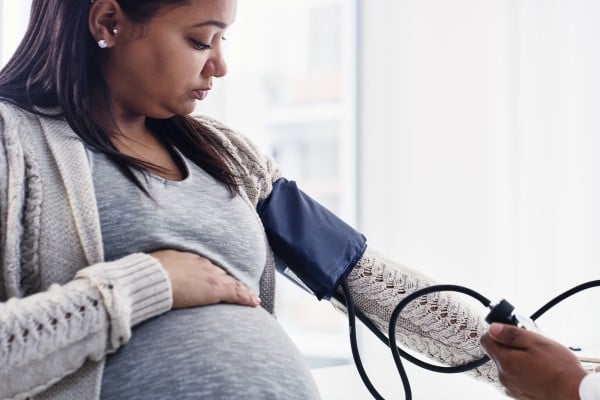
Paying Attention to Pregnancy
Preeclampsia and gestational diabetes during pregnancy can make it difficult to control your blood pressure after pregnancy, leading to heart failure. If you had these conditions during pregnancy, talk to your primary care provider about your heart health.
-CTA for twice-weekly program for women who had preeclampsia.-

Inflammatory diseases like rheumatoid arthritis and lupus can significantly increase a woman’s risk of heart disease.

Women who have early menopause or premature polycystic ovarian syndrome (PCOS) are at greater risk for heart disease.
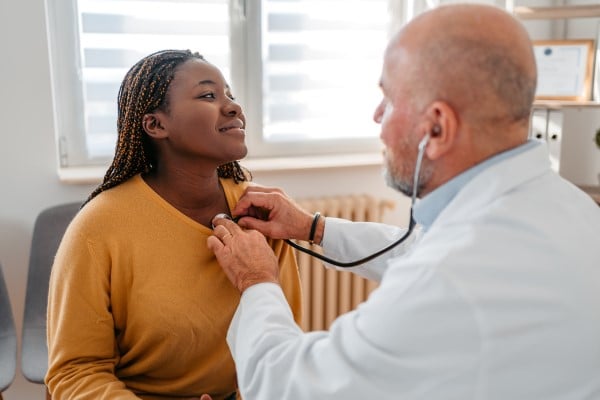
If you have had breast cancer, some chemotherapy and radiation can increase your risk of heart disease.
Listen to your body.
Listen to your heart.
The classic symptoms of heart disease—things like chest pain, shortness of breath, fatigue, swollen legs and feet, palpitations, and dizziness—are indications that you need to see a cardiologist.
But women can have symptoms that are not typical—and that means heart disease can go undetected. If you experience any of the following, talk to your doctor about them and if you’re at risk for heart disease:
- Left arm pain
- Upper back pain
- Jaw pain
- Nausea
- Symptoms with activity

Primary Care Saves Lives
Because women have different symptoms of heart disease—symptoms that are often ignored or thought to be unrelated—heart disease has become a silent killer among women.
Seeing a primary care physician on a yearly basis and being open and honest about what you are experiencing is key to early detection. Tell your provider about any complications during a past pregnancy and symptoms you experienced.
A Heart-Healthy Lifestyle
Preventing heart disease with a heart-healthy lifestyle is key.
You can:

Follow a heart-healthy diet
Focus on eating vegetables, fruits, whole grains, fat-free dairy products, fish, poultry, beans, nuts and seeds. When you cook, use olive or canola oil. Avoid fatty meats, sugar and sodium.

Get active
Adults should spend at least 150 minutes a week being physically active. Choose strengthening activities (i.e., weight training, yoga) and incorporate small changes in your day like taking stairs or parking farther away from entrances.

Stop smoking and avoid smoke
Whether you or a loved one smokes, smoking causes damage to your heart. If you need help quitting, enroll in MetroHealth’s Freedom From Smoking program.

Prioritize good sleep habits
Poor sleep can cause high blood pressure and heart disease. Your goal should be at least 7 hours of sleep each night. To get better quality sleep, have a consistent bedtime and wake time and avoid caffeine or nicotine. If you’re having trouble sleeping, our Sleep Medicine team can help.
Advancing Research
MetroHealth participates in many clinical research studies to understand heart disease and disease management, sharing those results with the international medical community.

A team dedicated to you.
The MetroHealth Heart and Vascular Center is setting a new standard of care in northeast Ohio.