Vascular Medicine
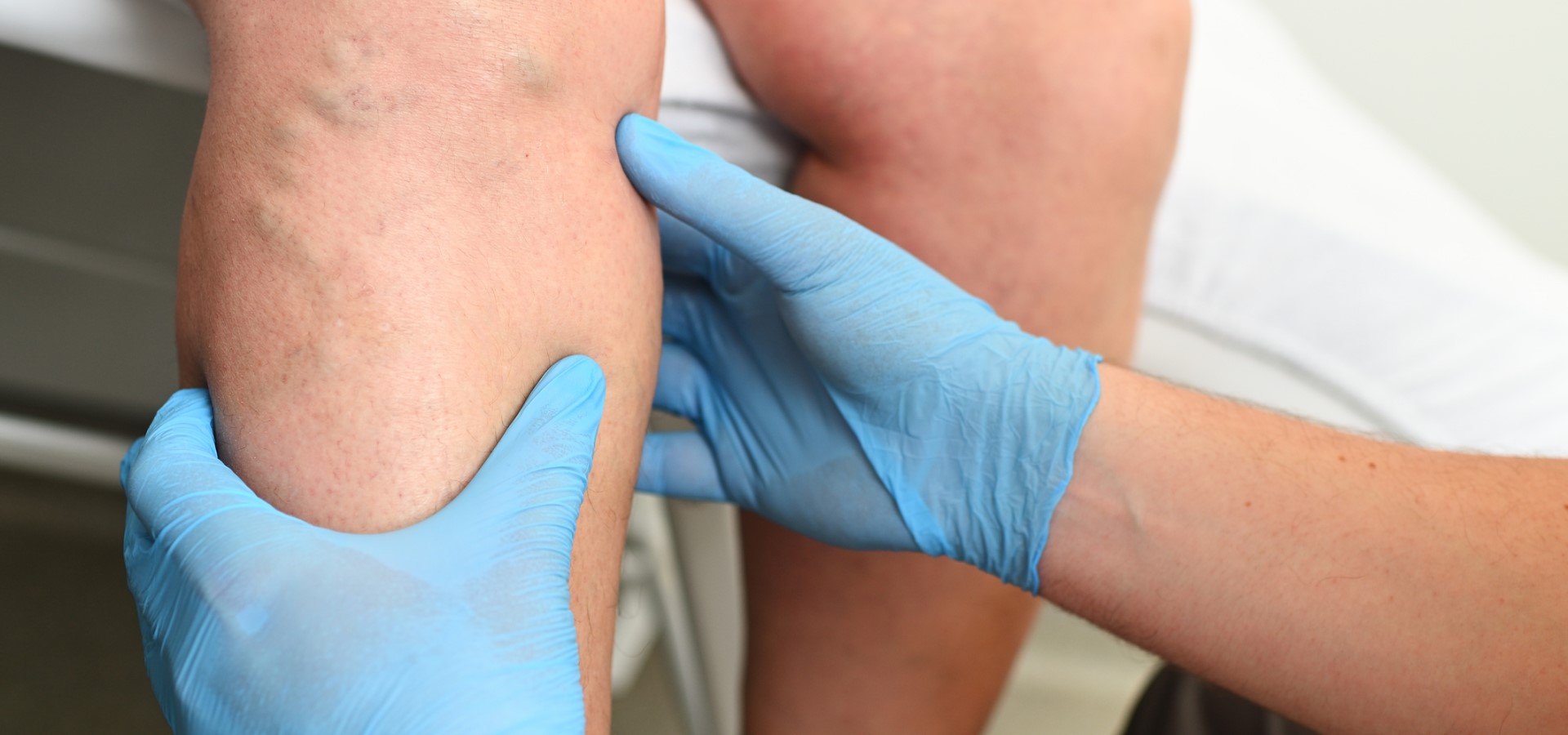
We know your heart.
Vascular medicine is a non-surgical specialty that focuses on the monitoring and medical management of any of your body’s approximately 60,000 miles of blood vessels.
Whether you’re seeing us because of a referral from your primary care provider or cardiologist, or if you’re just seeking relief from arterial blockages, leaky veins or clotting conditions, we’re here to help you live a healthier life.
Comprehensive Vascular Medicine
There are some common reasons why people develop issues with their blood vessels.
Beyond family history, it’s important to prevent the following risk factors:
- Obesity
- High cholesterol
- High blood pressure
- Diabetes
Living a heart healthy life is important to preventing diseases that cause vascular conditions.

Follow a heart-healthy diet
Focus on eating vegetables, fruits, whole grains, fat-free dairy products, fish, poultry, beans, nuts and seeds. When you cook, use olive or canola oil. Avoid fatty meats, sugar and sodium.

Get active
Adults should spend at least 150 minutes a week being physically active. Choose strengthening activities (i.e., weight training, yoga) and incorporate small changes in your day like taking stairs or parking farther away from entrances.

Stop smoking and avoid smoke
Whether you or a loved one smokes, smoking causes damage to your heart. If you need help quitting, enroll in MetroHealth’s Freedom From Smoking program.

Prioritize good sleep habits
Poor sleep can cause high blood pressure and heart disease. Your goal should be at least 7 hours of sleep each night. To get better quality sleep, have a consistent bedtime and wake time and avoid caffeine or nicotine. If you’re having trouble sleeping, our Sleep Medicine team can help.
The signs of vascular disease can vary, depending on where you’re experiencing problems and what kind of vascular disease you have.
Symptoms include:
- Swollen legs
- Leg pain
- Swollen arms
- Purple fingers or toes
- Discolored legs

If you’re experiencing symptoms of vascular disease, it’s important to get screened by your provider.
Screening helps identify the type of vascular disease, how advanced it is and the best treatment plan.
Your provider may suggest:
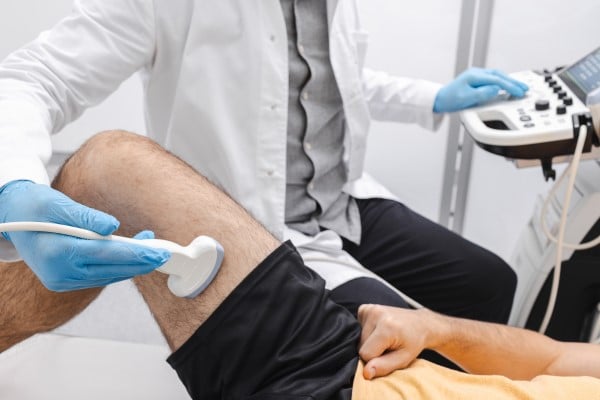
- An ultrasound to detect an aneurysm, an enlarged portion of an artery
- An ultrasound, CT scan, MRI or D-dimer blood tests to find blood clots
- An ultrasound to measure circulation and blood flow
- A CT scan to see if arteries are weakening
- Blood tests to see if you have a clotting disorder
Vascular medicine providers provide management of vascular diseases without surgery.
Often, that means prescribing medicine or recommending lifestyle changes.
At MetroHealth, we treat:
- Atherosclerosis, or cholesterol-related blockages in your neck
- Peripheral arterial disease, which causes poor circulation in your arms and legs
- Thrombosis, clots and clotting conditions that occur commonly in your lungs and legs that can cause stroke.
- Arteriopathies, when weakened tissue means the arteries can’t get oxygen-rich blood to vital organs.
- Vasospastic disorders like Renaud’s disease and acrocyanosis when arterial spasms reduce blood flow
- Other rare vascular disorders

Vascular medicine at MetroHealth is non-surgical.
Through lifestyle changes and medical management, we monitor your progress as you fight vascular disease, determining if surgery is needed.
Our treatment focuses on:

Cholesterol Management
Through dietary changes, exercise, and medication, we create an individualized plan to help your blood vessels work properly.

Smoking Cessation
Smoking leads to buildup and blockages in your arteries, which makes it hard for blood to flow to your organs. Smoking increases your chances of blood clots and stroke because of vascular problems.
Advancing Research
MetroHealth participates in many clinical research studies to understand heart disease and disease management, sharing those results with the international medical community.
A team dedicated to you.
The MetroHealth Heart and Vascular Center is setting a new standard of care in northeast Ohio.