Interventional Cardiology
Advanced, Minimally-Invasive Heart Disease Treatment
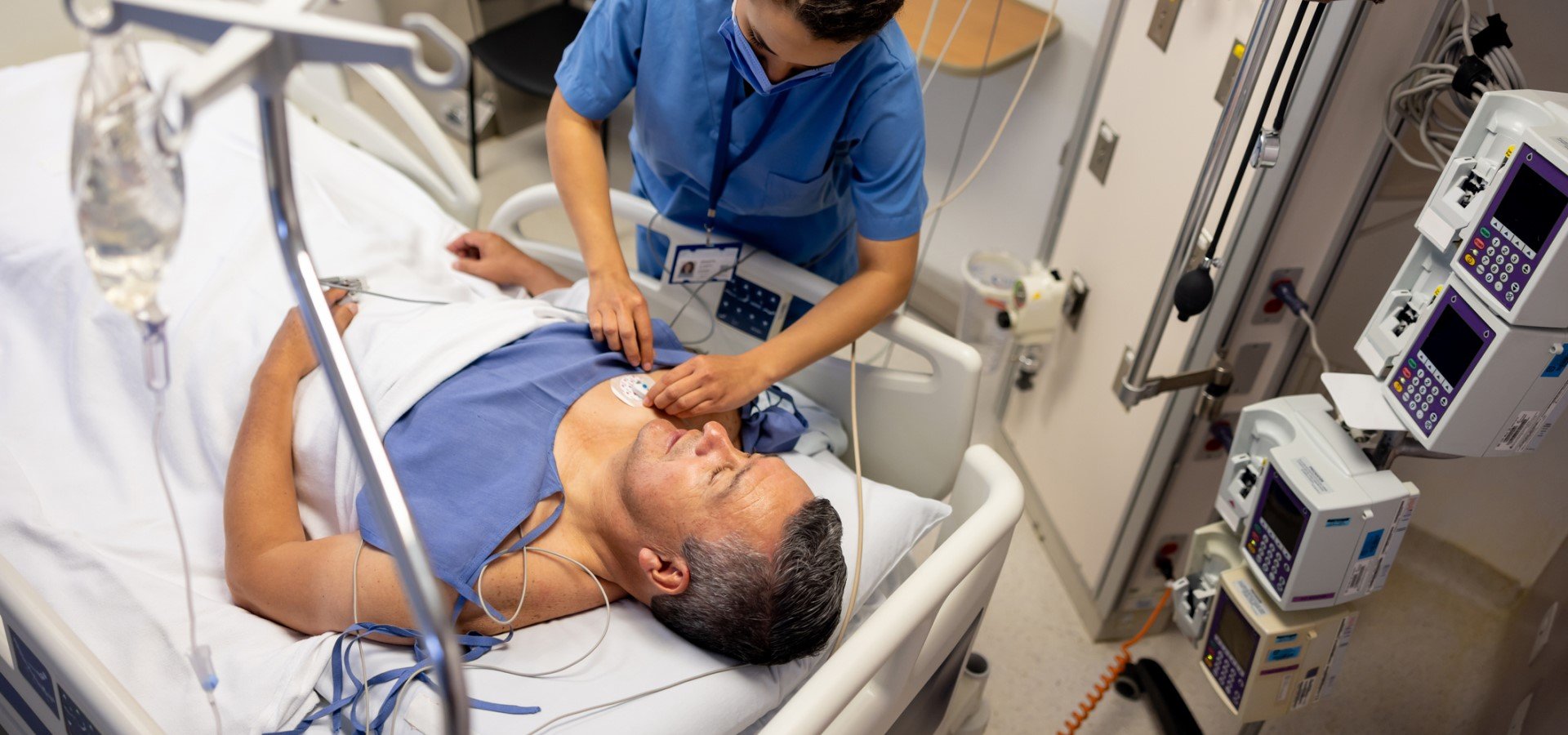
We know your heart.
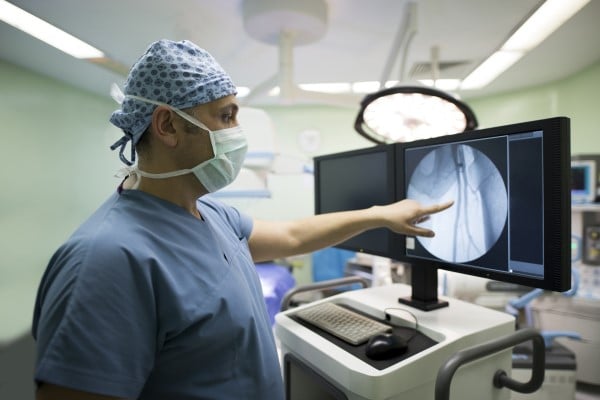
Interventional cardiology specializes in treating coronary heart disease, structural heart disease and vascular disease through advanced, minimally invasive techniques. At MetroHealth, we are equipped to manage even the most complex cases of heart disease—including those who may not be suitable for bypass surgery but still require treatment, as well as patients whose heart disease is not yet severe enough to warrant surgery.
Interventional cardiologists treat a range of heart and vascular diseases.
Coronary heart disease, also called coronary artery disease, occurs when the arteries that supply blood to your heart become narrowed or blocked, usually by fatty deposits called plaque.
Over time, a coronary artery blockage will cause a heart attack.
Symptoms of coronary heart disease include:
- Chest pain
- Shortness of breath
- Feeling tired
Treatment
If you do not need immediate care, we’ll start with a cardiac CAT scan to look at your arteries and see what treatments may be right for you.
Depending on how severe your blockages are, your treatment may include:

Medication
We can prescribe medication to lower your cholesterol and blood pressure, which can limit artery blockages and prevent heart attacks.
Stents
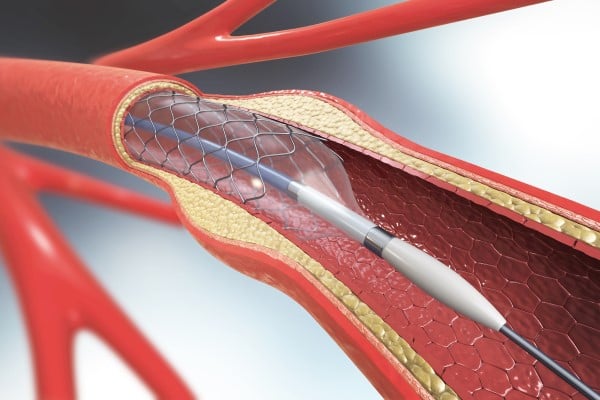
Stents are small metal tubes that can be placed in your artery—through a minimally-invasive technique—to keep your artery open.
Bypass Surgery
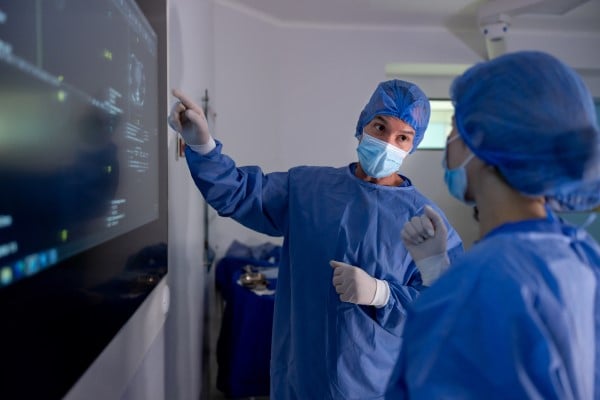
In bypass surgery, a cardiothoracic surgeon takes a healthy blood vessel from your leg, arm or chest and uses it to make a new pathway for blood to flow into your heart.
Some types of structural heart disease—a broad term that describes problems with the heart’s valves, chambers, walls and muscles—can prevent the body from getting the blood it needs.
Symptoms of structural heart disease include:
- Chest pain
- Shortness of breath
- Feeling dizzy or lightheaded
- Feeling tired
- Irregular heartbeat
- Swelling in your midsection or lower legs, also called edema

An interventional cardiologist treats the following structural heart disease conditions:

Aortic Stenosis
This is when the aortic valve has narrowed, preventing blood from normally flowing from the heart to the body.

Heart Wall Openings (PFO and ASD)
Patent Foramen Ovale (PFO) and Atrial Septal Defects (ASD) are holes in between the heart’s upper chambers—often present since birth. While they often don’t need intervention, they can worsen over time and need monitoring.

Valvular Heart Disease
Valvular Heart Disease means one or more of your heart’s valves aren’t operating properly, due to:
- Stenosis, or narrowing
- Regurgitation, or leaking
- Prolapse, or bulging

Cardiomyopathy
Cardiomyopathy is a disease that makes it difficult for your heart muscle to pump. Over time, cardiomyopathy can lead to heart failure.
Treatment
Treatment depends on your type of structural heart disease—and how much it has progressed. If needed, we work with our cardiothoracic surgery team to find the best treatment for you.
- Transcatheter Aortic Valve Replacement, or TAVR: TAVR replaces the aortic valve by inserting a catheter in your groin to access the heart in a minimally-invasive way.
- Vegetectomy: Through a catheter inserted into your groin, we can remove lesions and other growths that stand in the way of normal heart operation.
Vascular disease is often caused by blocked arteries, and an interventional cardiologist can open your blocked arteries to provide relief.
Symptoms of vascular disease include:
- Leg pain
- Leg numbness
- Swelling
- Wounds that won’t heal

Several types of vascular disease are treated by interventional cardiologists. They include:
- Peripheral arterial disease, when your arteries in your extremities are blocked
- Pulmonary embolism, a blood clot in the arteries that connect with your lungs
- Chronic mesenteric ischemia, when your intestines don’t get enough blood because of blockages
- Deep vein thrombosis, when blood clots form in the legs
- Renal artery disease, which causes blockages in the arteries that supply your kidneys with blood
Treatment
Depending on how severe your blockages are, your treatment may include:

Medication
We can prescribe medication to lower your cholesterol and blood pressure, and thin your blood, helping prevent artery blockages.
Stents
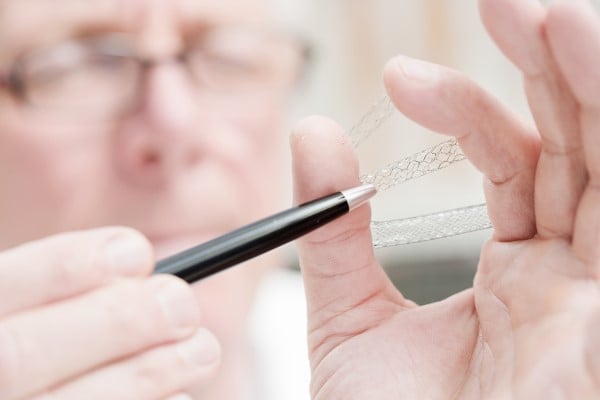
Stents are small metal tubes that can be placed in your artery—through a minimally-invasive technique—to keep your artery open.
Specialized Clinics
At MetroHealth, we pride ourselves on making sure every person in our community gets the care they need. In response to our patient’s needs, we offer the following specialized clinics for interventional cardiology:

Chest Pain Clinic
If you’re being monitored for coronary heart disease, the Chest Pain Clinic offers urgent evaluation of any chest pain you are experiencing. A dedicated nurse coordinator will refer you to the Emergency Department, order tests and/or schedule with you a specialist to get the care you need.

Endovascular Clinic
If you experience leg pain, fatigue or have poorly healing ulcers, the Endovascular Clinic offers treatment for blood vessels within your legs to relieve your symptoms.
Structural Heart Disease Clinics
This clinic allows patients who have both a surgeon and interventional cardiologist to see their care team together. This ensures a comprehensive approach to treatment.
Advancing Research
MetroHealth participates in many clinical research studies to understand heart disease and disease management, sharing those results with the international medical community.
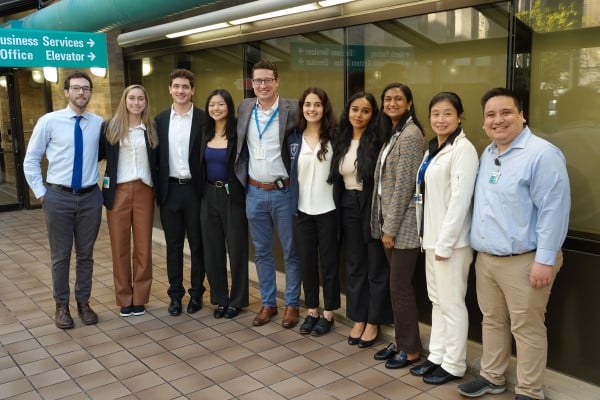
A team dedicated to you.
The MetroHealth Heart and Vascular Center is setting a new standard of care in northeast Ohio.