Healing Starts with Access: John Yousef and the Impact of MetroHealth’s School Health Program
Published on 02/10/2026
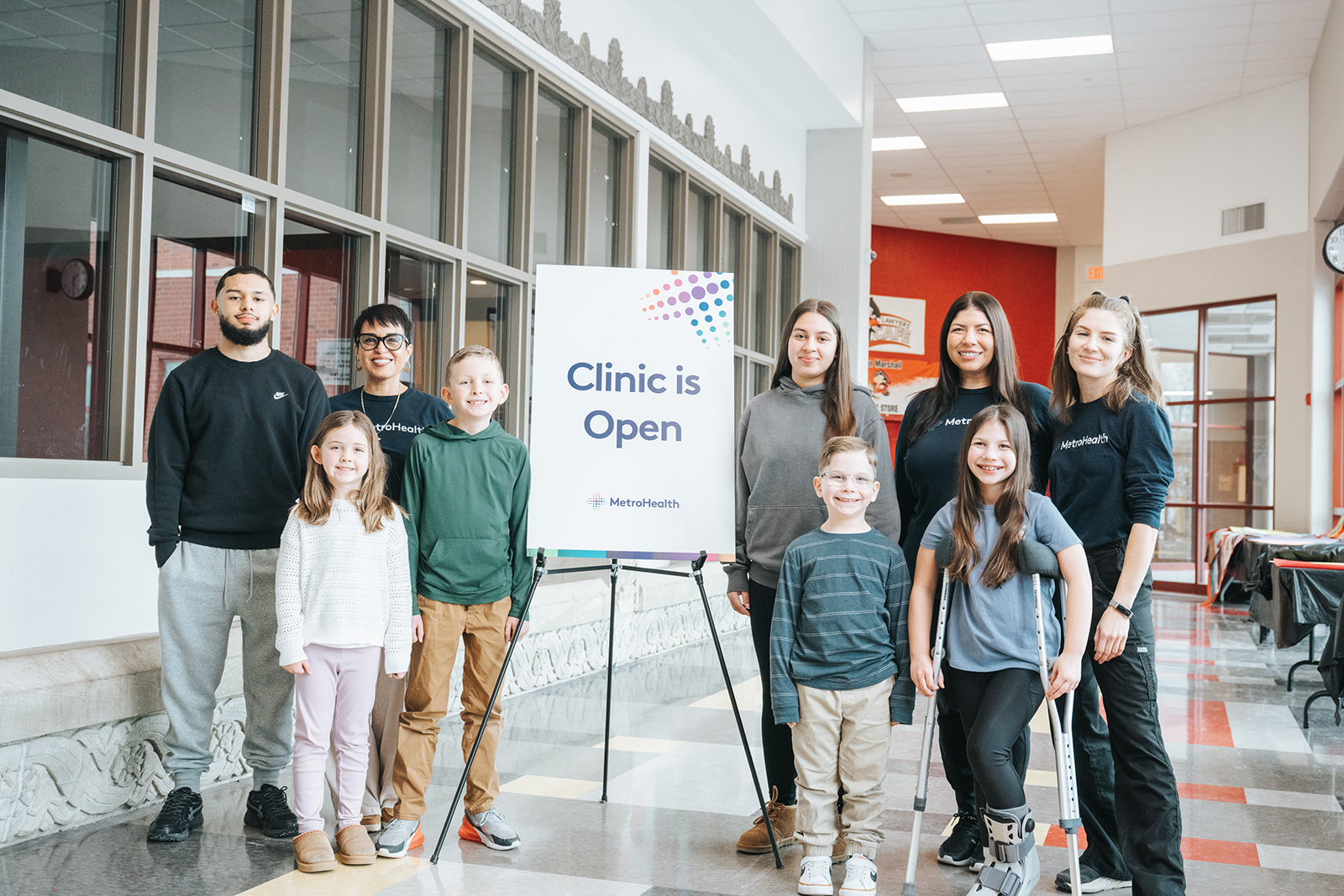
If you could put yourself in these kids’ shoes for one day, you’d understand how much your support matters.
Since 2013, MetroHealth’s School Health Program (SHP) has been breaking down barriers for children across Cuyahoga County, bringing comprehensive healthcare directly into the schools where they learn, grow and spend most of their day.
What began as a single clinic inside a converted classroom now provides compassionate, accessible and consistent care to more than 6,200 students each year.
Meeting Students Where They Are
In the early 2010s, Cleveland faced some of the highest child poverty rates in the nation. Chronic absenteeism, stagnant academic performance and unmet health needs were taking a toll on students’ futures. At the same time, MetroHealth clinicians saw fewer pediatric primary care visits and more emergency room use – especially for conditions like asthma that were preventable with consistent care.
The traditional model – waiting for families to come to a clinic – wasn’t working.
So MetroHealth flipped the script.
Today, SHP partners with five school districts and nearly 30 schools across Cuyahoga County. Teams of nurse practitioners, nurses, program assistants, drivers and community health workers bring care, education and resources directly into school buildings, mobile units and digital platforms. The result is a model built on trust – one relationship, one conversation, one visit at a time.
Students participating in SHP:
- Have fewer Emergency Department visits
- Are more likely to complete well‑child exams and be up to date on immunizations
- Show improved attendance and academic performance
Every Child Deserves Easy Access to Care
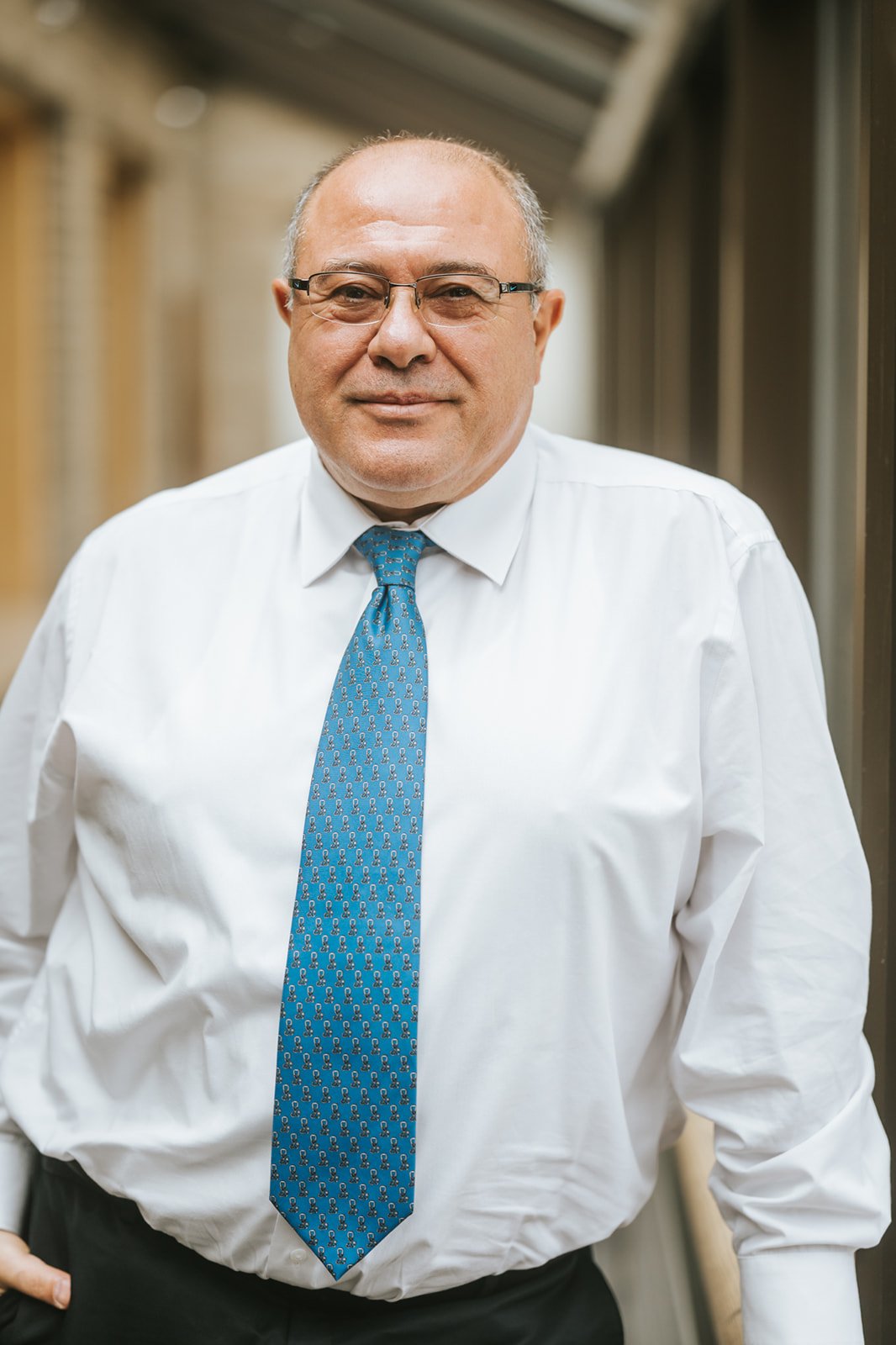 For Family Medicine Nurse Practitioner John Yousef, APRN-CNP, his work at SHP is shaped by his own childhood.
“I grew up as an inner-city kid. We didn’t have clinics like this,” he said. “If you could put yourself in these kids’ shoes for one day, you’d understand how much your support matters.”
Building trust is the foundation of his care. When students step into the clinic, they find a provider who listens without judgment – someone who meets them exactly where they are.
That trust often reveals what students are afraid to say aloud. Every student age 12 and older receives a screening for anxiety, depression, substance use and suicidality. These screenings routinely identify concerns that would otherwise remain hidden.
“One student admitted he’d tried to hang himself the year before,” John recalled. “He hadn’t told anyone. We connected him to therapy right away. Some of those conversations have saved lives.”
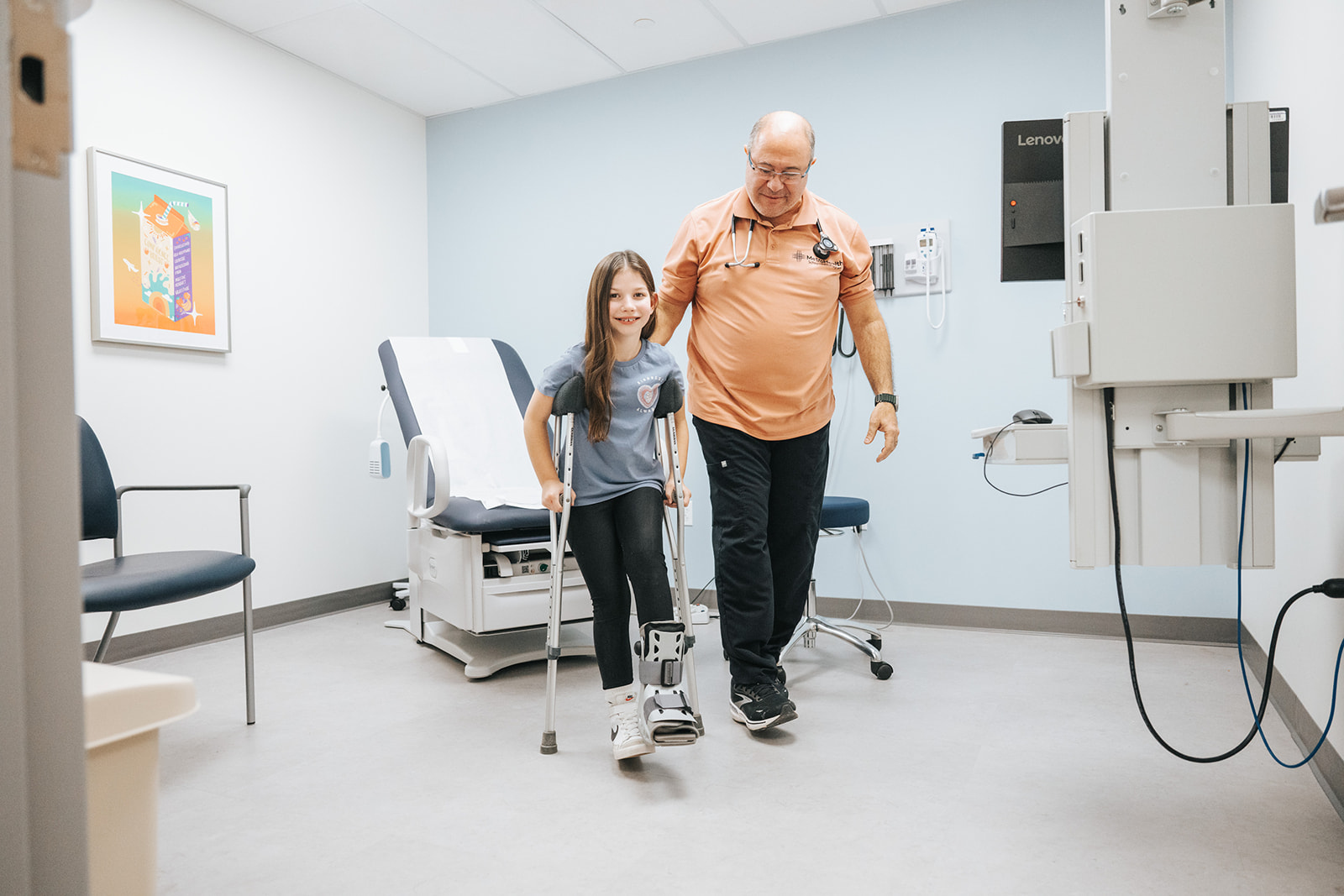
Physical concerns can be just as urgent:
- A 14‑year‑old struggling with depression and instability at home found consistent therapy through SHP, graduated high school and later returned to thank the team.
- A 13‑year‑old with rapid weight loss and vision problems was diagnosed with hyperthyroidism after John ordered labs. Months later, she returned healthy and thriving.
- A 12‑year‑old with dangerously low hemoglobin was sent immediately to the ED for lifesaving transfusions.
Behind each story is the same truth: early access changes everything.
Beyond Healthcare: Tackling Barriers That Shape Lives
SHP’s work extends beyond exam rooms. Many students struggle with food insecurity, lack of transportation, gaps in insurance coverage or the absence of essentials like glasses, coats and shoes.
“Sometimes a student comes in for a simple check‑up and we find out they haven’t eaten since yesterday,” John said. “We connect families to food resources, help with transportation, make sure kids have what they need. We don’t deny any child care.”
Teachers and school staff also rely on the clinic for urgent care and annual physicals, making the space a trusted resource for the entire school community.
“Kids walk in just to say hi,” John added. “Sometimes they just need a smile. It feels good for us too, because we see what happens when we remove barriers.”
Why This Giving Priority Matters
MetroHealth is committed to ensuring SHP can continue meeting the complex needs of students and families. But like school-based health programs across the country, billing alone cannot sustain the full scope of services.
A recent analysis of SHP clinical activity found that while 77% of patients had billable insurance, 23% of services were uncompensated. Many critical services – care coordination, addressing social drivers of health, connecting families to community resources – are not reimbursable.
National research confirms that school health programs must rely on diverse funding sources because billing revenues will never cover total program costs.
Today, MetroHealth’s SHP is supported through Medicaid/insurance reimbursement, state funding, grants, private philanthropy and MetroHealth’s general operations budget. But more is needed to meet growing demand and expand access.
The 2026 fundraising goal for the School Health Program is $400,000.
Your support ensures that no child is turned away, regardless of their ability to pay and that every child has a fair chance at a healthy, successful future.
Imagine not being able to afford healthcare and then imagine having a clinic you can walk into without worrying about cost. We help families get insurance when possible, and we care for them regardless of their ability to pay. That’s what this program does. It takes away fear.
For more information, please contact Greg Sanders, Vice President of Philanthropy, at 440-592-1319 or gsanders@metrohealth.org.
Your Generosity Means a Healthier Greater Cleveland
Support MetroHealth in its commitment to care for all.